New age verification laws adopted by governments around the world are prompting many users to install free virtual private networks to bypass identity checks, according to a recent analysis. The regulations require platforms to verify user age through methods such as document upload or face scans, with many websites obliging users to comply before granting access. While the intent is to protect minors from harmful content, the rules may be encouraging adults and young people alike to use unregulated free VPN services that carry significant personal data risks.
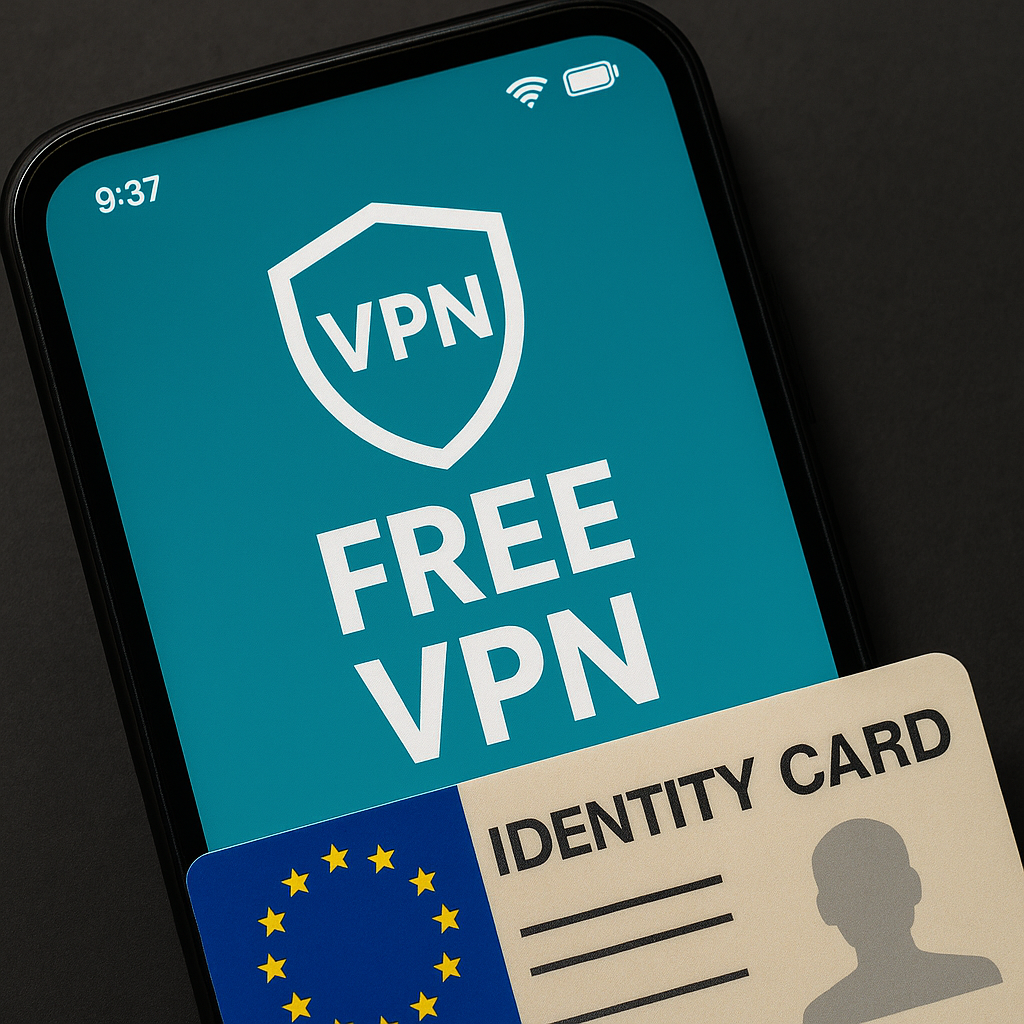
As age verification mandates came into force, VPN downloads have soared in affected jurisdictions, particularly among free services. On the Apple App Store, for example, several top free VPN apps ranked highly in regions implementing the rules. Researchers found that many of these free VPN providers do not reveal the countries where they are registered, maintain unclear privacy policies and may route user traffic through insecure or advertising monetised channels. The allure of bypassing verification checks can therefore come at the cost of increased exposure to tracking, data collection and malware.
Free VPN services often respond to user demand by monetising browsing data or injecting advertising scripts. Some have been previously shown to redirect e-commerce activity, expose users to aggressive ad networks or operate from jurisdictions with weak user privacy protections. Because users who adopt them often trust that they are achieving more privacy, the mismatch creates a false sense of security. While verification laws attempt to curtail privacy risk by reducing underage access, the unintended consequence may be driving users toward services that lack accountability or robust protection.
Governments and industry observers say the transition to age-restricted online access is complex. Large-scale laws such as the UK’s Online Safety Act or similar mandates in France, Australia and multiple U.S. states require platforms to implement “highly effective” age checks. These checks may include photograph or identity document uploads, biometric estimation or network subscriber checks. Many users resist the level of personal information demanded of them and view verification prompts as invasive. As a result, some users turn to VPNs that make them appear to be in a jurisdiction without such checks.
Privacy experts caution that using a VPN does not make a user invisible. Free VPNs may still log user behaviour, expose metadata, leak IP addresses or permit third-party tracking. A user trying to avoid giving an ID may end up handing over their data to another untrustworthy service. In contrast, official age verification services must follow local data protection rules and often provide audit trails or oversight mechanisms. The risk calculus thus shifts when users trade one kind of compliance check for another set of privacy vulnerabilities.
For individuals facing verification prompts, there are several safer strategies. One option is to use a reputable paid VPN service that publishes a clear no-logs policy, is based in a privacy-friendly jurisdiction and has been subjected to independent audits. Another is to assess whether the platform truly requires ID or whether an alternative route exists, such as proving age via a credit card transaction or a known account history. Users should also evaluate whether they trust the verification provider’s privacy practices and whether data minimisation is enforced. If a user chooses to submit personal information, they should review the privacy policy, check for data retention limits and use two-factor authentication on the account.
Regulators are also beginning to inspect the age verification industry for potential risks. Some governments have announced reviews of the companies that provide identity verification services, and enforcement agencies are examining whether users’ biometric or ID data is stored securely or shared with unrelated entities. As age verification expands, watchdogs emphasise that privacy protections must remain in place and that evasion tactics such as VPN use may signal that the system is overly burdensome. Future policy design may require less intrusive methods, such as anonymous age estimation or minimal data solutions.
While age verification laws aim to reduce exposure to inappropriate content for minors, the secondary effect may be the growth of an ecosystem of free VPN services that are less transparent and less secure. Users seeking to avoid identity checks should recognise that evasion is not inherently safer and may lead to greater exposure to data misuse. The broader challenge will be balancing child protection goals with adult privacy rights and ensuring verification systems do not shift risk rather than mitigate it.