Apple and Google are finally bringing end-to-end encrypted messaging between iPhone and Android devices, marking one of the biggest privacy upgrades to cross-platform texting in years.
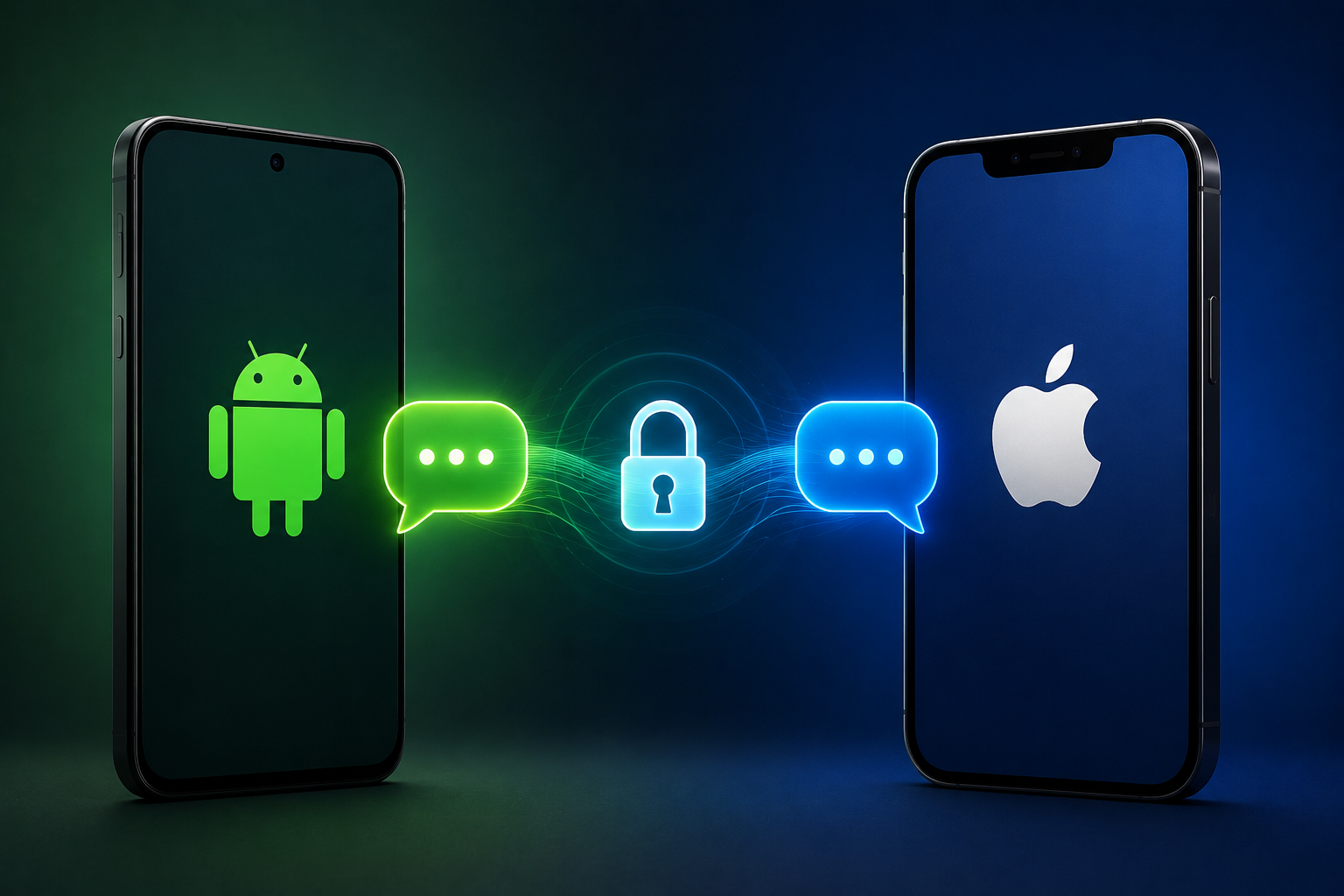
For years, messages exchanged between iPhones and Android phones often fell back to traditional SMS or unencrypted RCS messaging, leaving conversations more exposed to interception, telecom providers and surveillance. While Apple’s iMessage has long supported end-to-end encryption between Apple devices, cross-platform chats with Android users lacked the same level of protection.
That is now changing with encrypted RCS support rolling out through Apple’s latest iOS update. The move enables end-to-end encryption for compatible conversations between Android and iPhone users using the Rich Communication Services (RCS) standard.
The update is being introduced through iOS 26.5 and relies on the newer RCS Universal Profile 3.0 specification developed by the GSM Association. Google has supported encrypted RCS chats in its Messages app for several years, but Apple’s adoption was necessary to make secure cross-platform messaging work broadly between the two ecosystems.
Encrypted RCS chats will now offer many of the same features users already expect from modern messaging apps, including typing indicators, high-quality photo and video sharing, read receipts, and improved group chats, while also protecting message contents from third-party access.
According to reports, encrypted conversations will display indicators such as lock icons and “Encrypted” labels within messaging apps to show when end-to-end protection is active. However, compatibility may depend on carrier support, device versions, and updated messaging apps on both sides of the conversation.
The privacy improvement comes amid growing concerns about digital surveillance, telecom interception, and data collection tied to messaging services. Security experts and government agencies have repeatedly warned that traditional SMS remains highly insecure and vulnerable to spoofing, interception, and phishing attacks.
Encrypted messaging has increasingly become the default standard across major communication platforms. Apps such as Signal, WhatsApp, and Messenger already use end-to-end encryption for billions of users worldwide. However, the divide between Apple and Android ecosystems has long created a major privacy gap for users communicating across platforms.
Still, privacy researchers caution that encryption alone does not solve every security issue. Even when messages themselves are encrypted, metadata such as who users contact, when messages are sent, device identifiers, and notification information may still leak through supporting infrastructure.
Recent academic research also found that some messaging applications unintentionally exposed user identifiers, phone numbers, and message-related metadata through push notification systems despite offering encrypted chats.
Cybersecurity agencies have additionally warned that encrypted messaging apps themselves can still become targets for spyware, phishing campaigns, and zero-click attacks aimed at compromising user devices directly.
Even so, privacy advocates view encrypted RCS support between Android and iPhone devices as a major milestone because it removes one of the largest remaining gaps in mainstream mobile messaging security.
The change may also reduce reliance on third-party messaging apps for users who simply want private default texting between different smartphones. For years, security experts pushed users toward apps like Signal because ordinary texts between iPhones and Android devices lacked modern encryption protections.
The rollout is expected to expand gradually as carriers, device manufacturers, and messaging apps adopt the updated encrypted RCS standard.