Two Australian teenagers have asked the High Court to block the upcoming national ban that will prevent people under the age of 16 from using social media services. The challenge was filed by two 15-year-old applicants who argue that the law violates an implied constitutional right to political communication. They claim that removing young people from social media platforms limits their ability to engage in public debate and curtails an important channel for communication and social interaction. The case is supported by a group called the Digital Freedom Project, which is campaigning against the legislation.
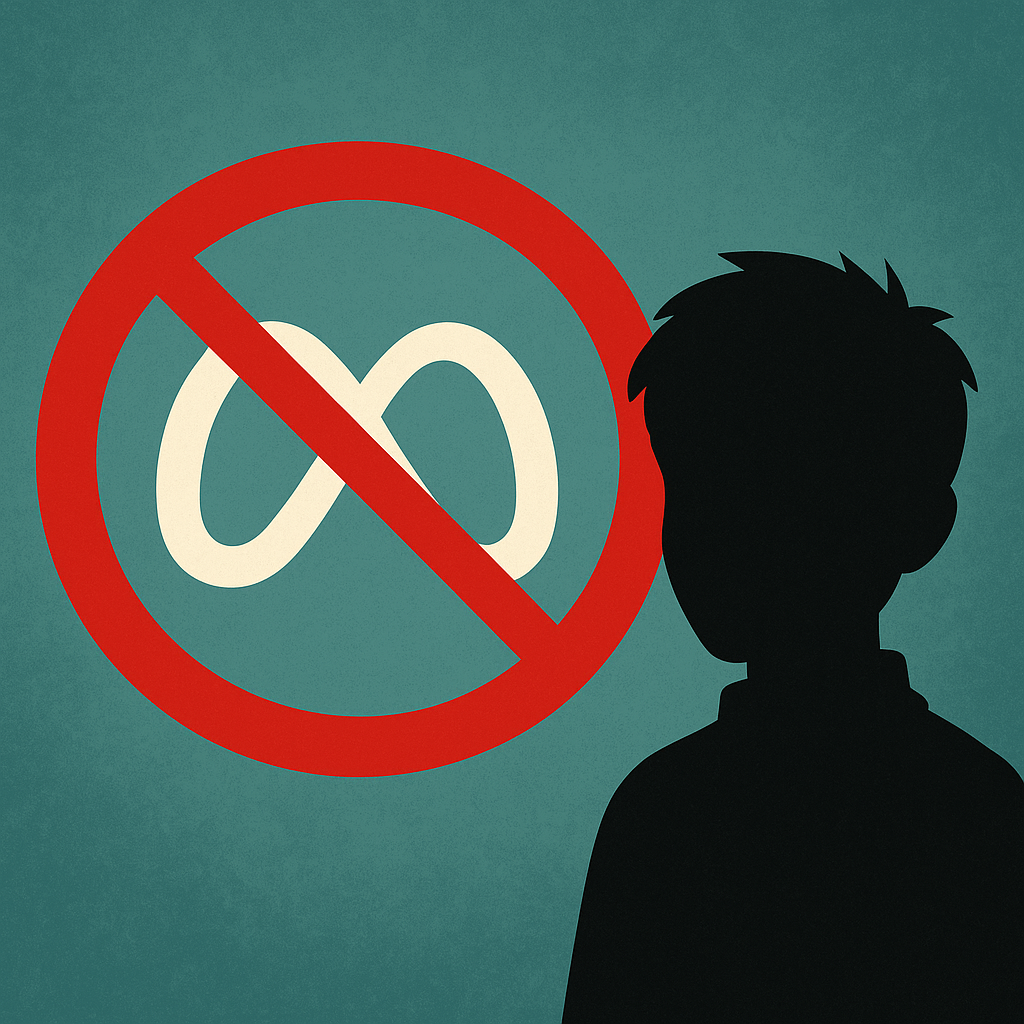
According to the filing, the teenagers believe that the ban is disproportionate and that it restricts young people’s participation in modern civic life. The lawsuit seeks to delay or overturn the ban before it takes effect on 10 December 2025.
The legislation, passed in 2024, requires platforms, including those owned by Meta, to prevent minors under 16 from holding active accounts. It also requires them to stop accepting new registrations from users below the age threshold. The law includes penalties of up to AUD 49.5 million for companies that fail to comply. Meta previously began informing users who were identified as underage about the need to download their data and prepare for account deactivation. The company said it would begin disabling accounts on 4 December to meet the legal deadline. Notifications have been sent through multiple channels, including SMS, email, and in-app messages, to ensure that affected users receive instructions on how to preserve their content.
Supporters of the law argue that it is necessary to protect young people from harmful content, privacy risks, and pressures associated with social media use. They claim that platforms have not developed adequate systems for age verification or content moderation and that stronger measures are needed to safeguard well-being. They also argue that the law may encourage technology companies to build more reliable age assurance tools. Critics, however, warn that enforcing age limits online is technically complex and may lead to errors that block legitimate users or fail to exclude those who find ways to evade verification. Civil liberties groups say the ban could push minors toward less regulated platforms, increasing risk exposure rather than reducing it.
The Digital Freedom Project argues that the law amounts to a broad restriction on speech rather than a targeted safety measure. The group claims the ban is excessive and does not account for how young people use social media to communicate about political issues, school matters, and community activities. Technology analysts have observed that platforms now play a central role in daily interaction, which makes the impact of a complete ban more far-reaching than earlier restrictions on specific types of content. The teenagers’ legal filing states that the blanket prohibition interferes with political communication because young people regularly discuss topics of public interest online.
The High Court will now consider whether the challenge meets the criteria required for a constitutional review. The case is being closely watched by regulators, technology companies, and advocacy groups around the world. Observers say the ruling could influence how other governments approach age-based restrictions on online services. Suppose the court decides to hear the case. In that case, it may lead to a broader examination of how to balance youth safety, privacy, civic participation, and digital rights in a rapidly changing online environment.