Black Friday offers consumers an opportunity to purchase expensive products at significantly reduced prices, but it also creates favorable conditions for cybercriminals. With retailers competing for attention through promotional emails, social media advertisements, exclusive discounts, and limited-time offers, deceptive campaigns can easily blend into legitimate marketing activity.
The 2026 shopping season has already shown that to be the case. Cybersecurity researchers at Darktrace recorded more than 13 times as many Black Friday phishing emails per day during the first three weeks of November as in October. Meanwhile, Bitdefender identified scams in approximately half of the Black Friday-themed spam emails monitored between October 30 and November 10.
The financial consequences can be significant. According to the FBI, non-payment and non-delivery scams resulted in more than $503 million in reported losses across the United States in 2025. In the United Kingdom, Report Fraud recorded £18.3 million in online shopping fraud losses during the previous festive shopping season.
Understanding how these scams operate, recognizing suspicious offers, and adopting safer purchasing habits can help consumers protect their money, personal information, and online accounts.
Here are the top Black Friday scams to look out for.
Fake online stores and unrealistic discounts
Fake online stores are among the most common threats during Black Friday. Cybercriminals create websites that resemble established retailers, copying their branding, product images, site design, and promotional content to appear legitimate.
These websites frequently advertise expensive electronics, designer clothing, household appliances, gaming consoles, and other popular products at unusually low prices. Countdown timers, limited-stock notifications, and exclusive discount codes encourage visitors to complete purchases before investigating the seller.
On November 27, 2026, cybersecurity researchers at Mimecast disclosed a campaign involving more than 160,000 spam emails promoting discounted luxury products. Recipients were directed to deceptive storefronts advertising discounts of up to 93%.
Customers who purchase from such websites may receive nothing, get products of much lower quality, or have their payment card information stolen at checkout.
Before purchasing from an unfamiliar retailer, shoppers should do extensive research, including looking into its reputation, checking independent customer reviews, and verifying its business information. A professional website design, positive reviews displayed by the seller, or an HTTPS connection are not sufficient evidence of legitimacy.
Black Friday phishing emails and text messages
Cybercriminals frequently impersonate known retailers through emails and text messages advertising exclusive Black Friday deals. These emails and messages may promise early access to sales, significant discounts, loyalty rewards, or personalized vouchers.
Other phishing campaigns create a sense of urgency by claiming that a customer’s account has been suspended, a payment has failed, or an existing order requires immediate confirmation.
Emails with embedded links typically direct recipients to deceptive websites designed to collect login credentials, personal information, or payment card details. Some emails may also contain malicious attachments disguised as invoices, promotional brochures, or order confirmations.
Artificial intelligence has made phishing campaigns more difficult to recognize. Criminals can generate grammatically correct messages, realistic promotional images, and convincing imitations of legitimate customer service correspondence.
Rather than relying on spelling mistakes or poor formatting to identify scams, consumers should examine the supposed purpose of the communication. What consumers should be wary of in particular are unexpected requests for passwords, banking information, verification codes, or immediate payments.
Instead of following promotional links, shoppers should open the retailer’s official website or mobile application independently and check whether the advertised offer exists. This takes seconds and can save shoppers significant amounts of money.
Fake social media advertisements
Social media platforms provide criminals with another opportunity to reach consumers searching for Black Friday discounts. Deceptive advertisements may appear alongside legitimate retailer campaigns, making them difficult to distinguish without further investigation.
Scammers frequently impersonate established brands, promote heavily discounted products, or claim that businesses are liquidating inventory. Some advertisements use stolen product photographs, fake customer testimonials, or manipulated videos featuring celebrities and influencers.
Artificial intelligence-generated content can further enhance the credibility of these campaigns. A familiar face endorsing a product does not necessarily mean that the individual has authorized or participated in the advertisement.
Malicious actors may also hijack legitimate social media accounts and use them to distribute malicious links. Consequently, an offer shared by a familiar account or a friend should not automatically be considered trustworthy.
Consumers should independently verify promotional offers, investigate unfamiliar sellers, and avoid making purchases solely because an advertisement appears on a reputable social media platform.
Fake delivery notifications and parcel tracking scams
The risks associated with Black Friday do not end once an order has been placed. As millions of packages enter delivery networks, criminals exploit consumers’ expectations of shipping notifications and tracking updates.
Delivery-themed phishing emails and text messages frequently claim that a parcel could not be delivered because of an incorrect address, unpaid customs charges, or missing shipping information.
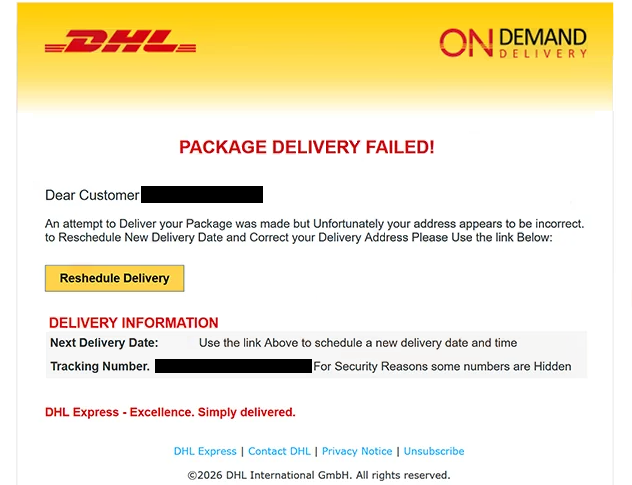
Recipients are instructed to visit a website and resolve the issue, often by paying a relatively small fee. The linked page may imitate a legitimate courier’s website and request payment card information, contact details, or online banking credentials. The initial payment amount may appear insignificant, but the information collected during the process can facilitate subsequent unauthorized transactions.
Consumers should track purchases directly through the retailer’s order history or the courier’s official website. Unexpected delivery charges should be independently verified before payment, particularly when a notification contains an unfamiliar link.
Receiving a delivery notification while genuinely expecting a package does not confirm that the communication is legitimate.
Gift card, voucher, and giveaway scams
Free gift cards, promotional vouchers, and prize giveaways are frequently used to attract potential victims during Black Friday.
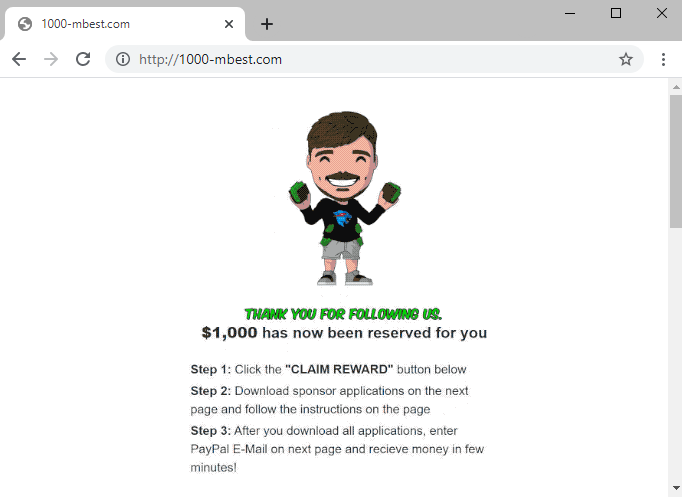
These campaigns may claim that consumers have been selected to receive a valuable reward in exchange for completing a survey, sharing a promotional post, or covering a small administration or delivery fee.
Participants may subsequently be asked to provide their names, phone numbers, email addresses, and even financial information. Some deceptive promotions also enroll victims in recurring paid subscriptions without making the associated costs sufficiently clear.
Gift cards can additionally be used as a payment mechanism in shopping scams. Criminals may instruct buyers to purchase prepaid cards and provide their redemption codes, claiming this is necessary to secure an exclusive discount. Once criminals redeem the card’s balance, recovering the money can be difficult.
Legitimate promotional campaigns should be verifiable through the retailer’s official channels. Consumers should avoid sending gift card redemption codes to strangers or using them as payment for purchases outside established retail platforms.
Malicious shopping applications and browser extensions
Cybercriminals can also exploit demand for discount-finding tools, price comparison services, and shopping apps during promotional periods.
Malicious software may be advertised as a retailer’s official application, an automated coupon finder, or a browser extension offering access to hidden discounts.
Depending on its capabilities and permissions, such software could collect browsing information, redirect users to deceptive websites, steal account credentials, or access sensitive information displayed on infected devices.
Consumers should obtain applications through reputable distribution platforms and verify the identity of the developer before installation. Downloading software from an official marketplace reduces certain risks but does not eliminate them entirely.
Browser extensions requesting extensive access to website content or browsing activity require particular caution. Shoppers should avoid installing unnecessary software simply to obtain a discount.
Keeping operating systems, browsers, and security applications updated can also reduce exposure to known software vulnerabilities.
How to shop safely during Black Friday
Safer online shopping begins before entering payment information. Consumers should compare prices across established retailers and, where available, examine historical pricing data to determine whether an advertised discount is actually worth it.
Using unique passwords for shopping accounts limits the damage that compromised credentials can cause. Multi-factor authentication should be enabled wherever available, particularly for email accounts, financial services, and retail platforms containing saved payment details.
Payment methods also deserve careful consideration. Credit cards and reputable payment services may provide mechanisms for disputing unauthorized transactions or purchases that never arrive. Available protections depend on the payment provider, transaction circumstances, and applicable legislation.
Virtual payment cards with changeable spending limits can provide additional control over online transactions when supported by the customer’s financial institution.
Consumers should avoid sellers demanding cryptocurrency, direct bank transfers, or prepaid gift cards as the only payment option. Such methods may offer fewer opportunities to recover lost funds.
Enabling transaction notifications and regularly reviewing financial statements can help identify suspicious activity more quickly. Shoppers should continue monitoring their accounts after Black Friday, as compromised payment information may be misused weeks or months later.
What to do if you become a victim of a Black Friday scam
Anyone who suspects that they have provided payment information to a deceptive website should contact their bank or payment card issuer immediately. Financial institutions can assess suspicious transactions, block compromised cards, and explain available dispute or recovery procedures.
If login credentials were exposed, affected passwords should be replaced using a trusted device. Passwords reused across other services should also be changed, active sessions should be revoked where possible, and multi-factor authentication should be enabled.
Individuals who installed suspicious applications or opened potentially malicious attachments should do an extensive security scan. If malware is suspected, sensitive activities such as online banking should be performed on a separate, uncompromised device.
Evidence of the scam should be preserved, including website addresses, transaction records, emails, screenshots, and correspondence with the seller. Victims should report the incident to relevant authorities and notify the platform or retailer being impersonated.
In the United States, online fraud can be reported to the FBI’s Internet Crime Complaint Center or the Federal Trade Commission. Consumers elsewhere should contact their national fraud reporting services or local police.
Victims should also remain cautious of individuals claiming they can recover stolen funds in exchange for an upfront payment. Such approaches may represent additional scams targeting people who have already experienced financial losses.
Staying vigilant beyond Black Friday
Black Friday scams exploit the same psychological pressures that drive legitimate seasonal sales: urgency, scarcity, excitement, and fear of missing an opportunity. The difference is that criminals use these pressures to discourage independent verification and encourage decisions that expose consumers to financial or security risks.
Taking a few minutes to research a retailer, verify a promotion, or examine a payment request can make a meaningful difference. Consumers should prioritize the legitimacy of a transaction over the size of an advertised discount.
These precautions remain relevant throughout Cyber Monday, Christmas sales, and subsequent delivery periods. A discounted product offers little value if obtaining it results in stolen money, compromised accounts, or identity theft.