A cybersecurity incident has caused technology outages and shipping delays across three facilities operated by the North Carolina Ports Authority, temporarily affecting cargo operations while technical teams work to restore compromised systems.
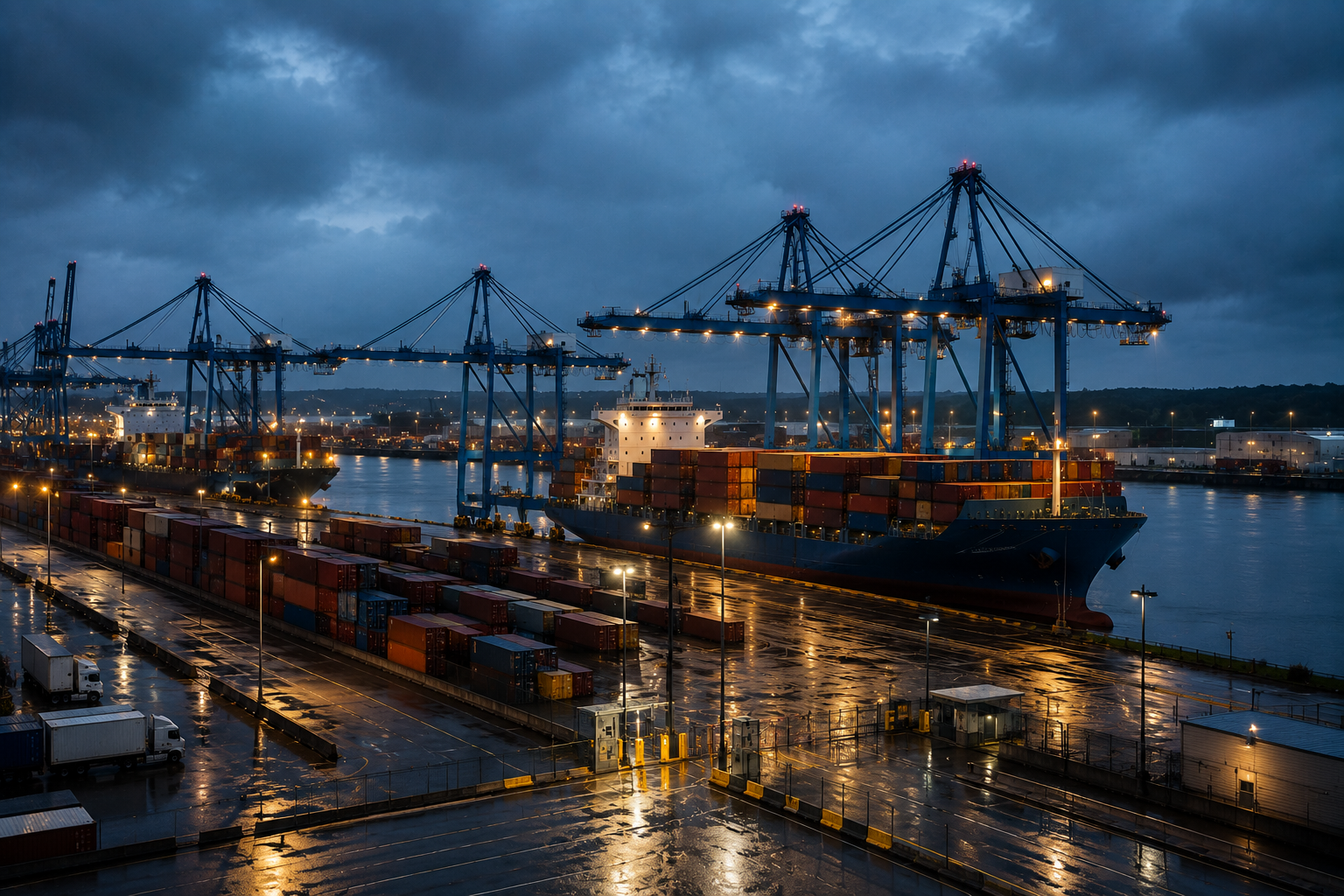
The disruption involves the Port of Wilmington, Port of Morehead City, and Charlotte Inland Port. Although normal gate schedules are being restored, the authority has warned companies and truck drivers using the facilities that delays may continue while its IT infrastructure recovers.
The incident was reportedly discovered on August 4. In response, the Ports Authority activated its cybersecurity contingency procedures and began system recovery efforts the following morning.
Technology problems affected operations across all three locations. Gates opened at 8 a.m. on August 5, later than normal operations, resulting in delays for trucks and other port activity. The outage demonstrates how a cyber incident affecting administrative and operational technology can quickly create physical consequences for freight movement even when port facilities themselves remain accessible.
By August 7, the authority expected gates at all three locations to return to their regular operating schedules. Vessel movements were also scheduled to continue normally. However, restoration work was still underway, and the Ports Authority cautioned that some services could remain slower than usual while its IT team assessed affected systems.
The scale of the facilities makes prolonged disruption potentially significant for regional freight operations. The Port of Wilmington is the largest of the three locations and operates nine berths. According to North Carolina Ports, the facility has annual container capacity of approximately 600,000 twenty-foot equivalent units (TEUs) and typically processes around 5,000 container gate movements each week.
Wilmington and Morehead City also handle substantial quantities of non-containerized cargo. Combined, the two ports process approximately 4.4 million short tons of bulk and breakbulk cargo annually, connecting businesses throughout the region with domestic and international supply chains.
Charlotte Inland Port extends that network farther inland, providing another logistics connection for cargo moving through the state’s maritime facilities.
Despite the operational impact, several important details about the cyberattack remain unknown. The North Carolina Ports Authority has not publicly identified the method attackers used to gain access, nor has it attributed the incident to a specific cybercriminal or state-linked group. There has also been no confirmation that sensitive corporate, employee, customer, or shipping information was accessed or stolen.