The Dutch privacy regulator is calling on hospitals, courthouses, and other sensitive locations to restrict camera-equipped smart glasses as concerns grow over devices capable of recording people without their knowledge.
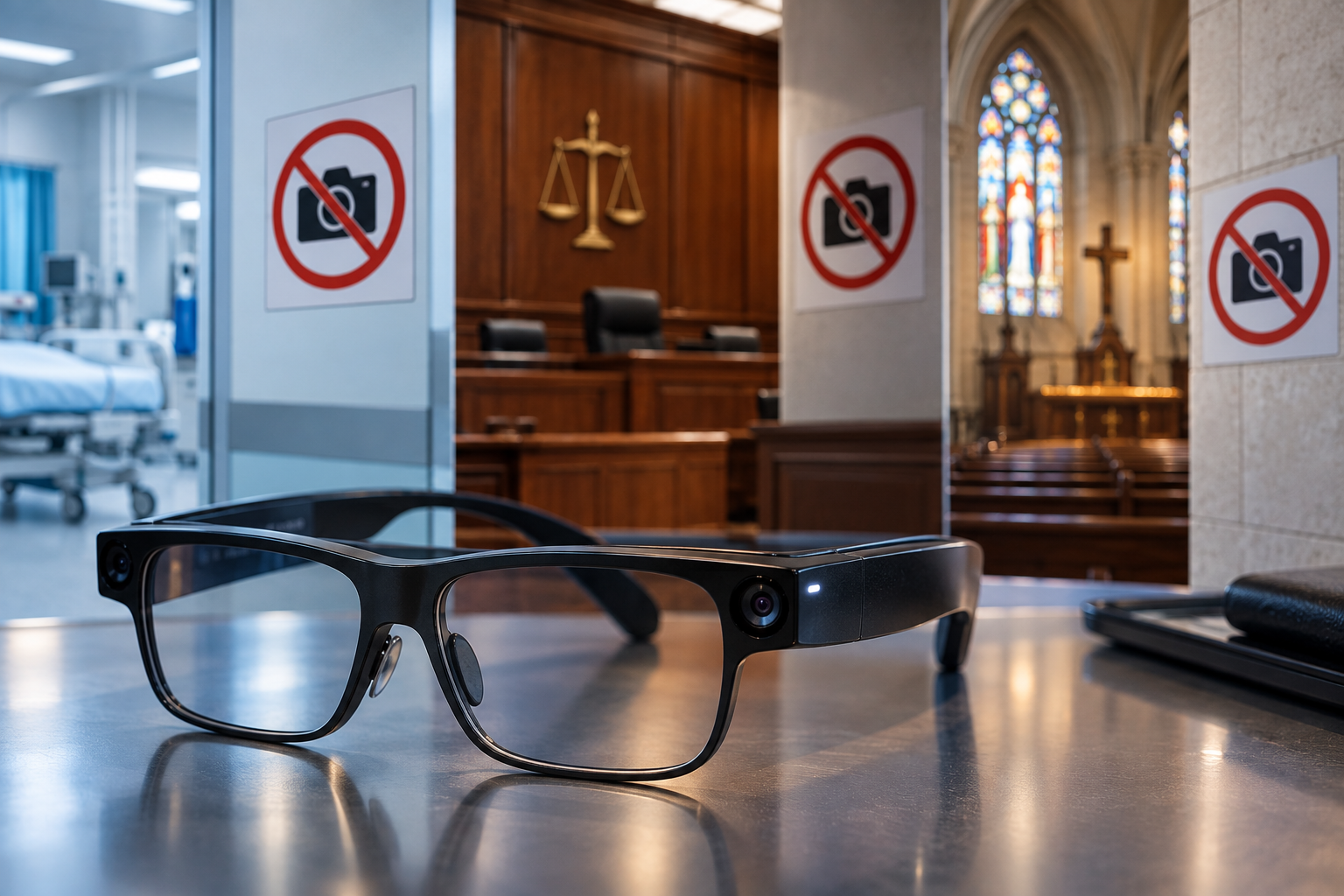
The Netherlands’ Data Protection Authority says camera glasses increasingly resemble ordinary eyewear, making it difficult for bystanders to know whether someone is simply looking at them or recording video. Many models include small indicator lights, but the regulator argues these are not enough to properly inform people that their personal data may be collected.
Under the EU’s General Data Protection Regulation, images become personal data when individuals can be identified. While an exemption can apply when photos or videos remain strictly for personal or household use, broader sharing or publication generally requires a valid legal basis. In many situations, that could mean obtaining consent from recognizable people in the footage.
The regulator believes additional protection is necessary in places where privacy expectations are particularly high. It is advising hospitals, courts, religious buildings and similar organizations to consider banning the wearing and use of camera glasses through their internal rules.
Newer smart glasses create another concern because their cameras and microphones can interact with artificial intelligence. A device may process what its wearer sees or hears so an AI assistant can answer questions about the surrounding environment. That means personal information could potentially be processed even when a conventional photograph or video is not saved.
Manufacturers also have responsibilities, according to the authority. Recording and AI activity should be clearly visible to people nearby, warning indicators should resist attempts to disable or conceal them, and devices should avoid collecting more personal information than necessary.
The regulator has not imposed a general Dutch ban on camera glasses. Instead, it is examining whether stronger measures may be appropriate while encouraging sensitive venues to introduce restrictions themselves.
As smart glasses become harder to distinguish from conventional eyewear, the debate is increasingly shifting from what the wearer can record to whether everyone around them can reasonably know when a camera or AI system is watching.