Smart glasses are becoming increasingly common, but their ability to discreetly record conversations and capture images has prompted a warning from European privacy regulators. The European Data Protection Board (EDPB) says the technology creates significant risks for people who may not even realize they are being recorded.
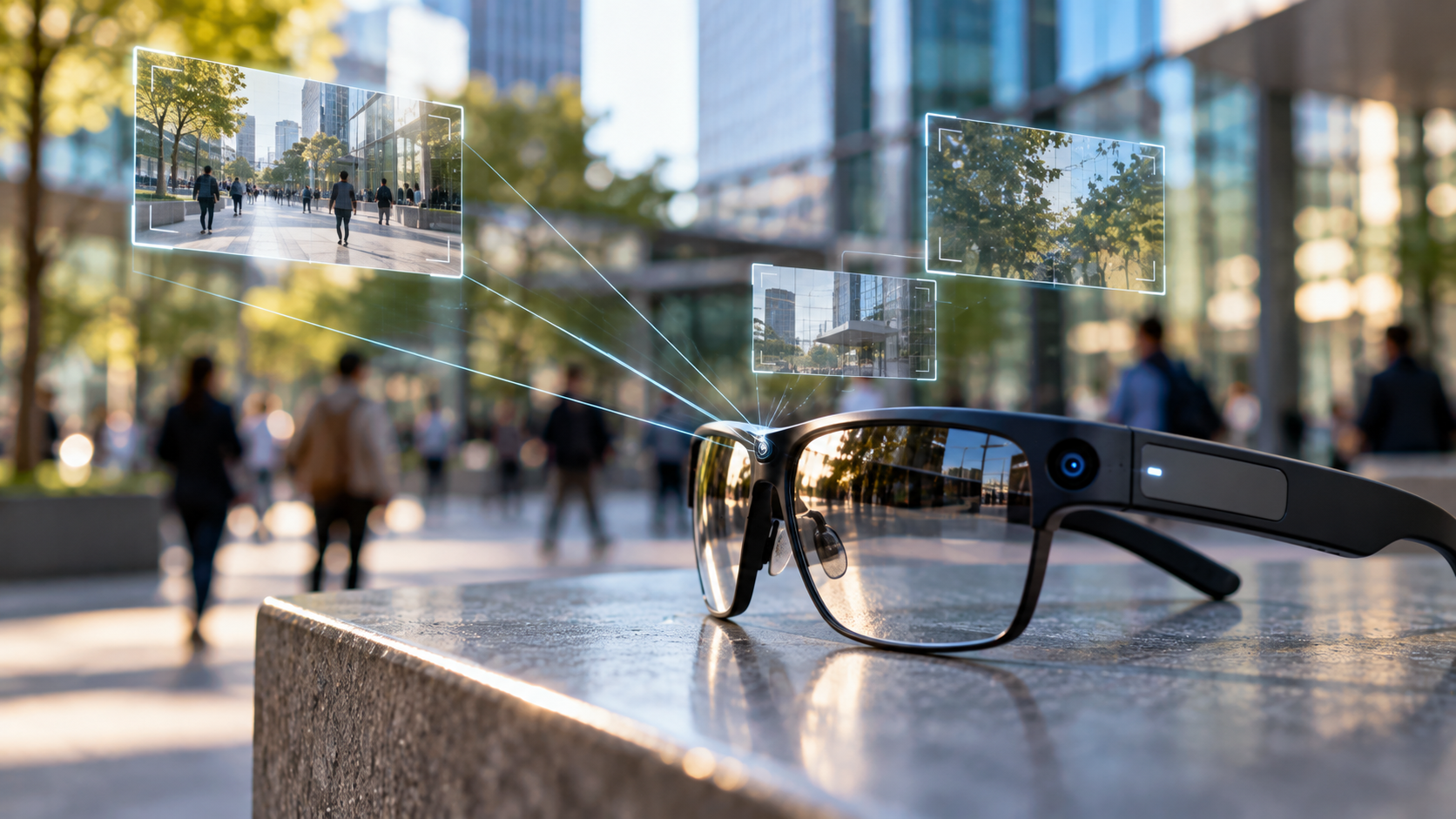
On October 13, 2026, the EDPB published a statement outlining how smart glasses should be used and designed to comply with the General Data Protection Regulation (GDPR). The guidance addresses both manufacturers and users as the devices become more widely available.
Unlike conventional cameras or smartphones, smart glasses can look almost identical to ordinary eyewear. Their built-in cameras, microphones and internet connectivity allow wearers to capture video, record audio and use artificial intelligence features without drawing much attention.
The EDPB is particularly concerned about recordings made in hospitals, schools and workplaces, where sensitive personal information may be captured. Children face additional privacy risks, especially when images or videos are subsequently shared online.
To address these concerns, the regulator recommends making recording activity clearly noticeable. Manufacturers could introduce bright indicator lights, audible alerts or voice notifications that inform nearby people when cameras or microphones are being used.
However, the responsibility does not rest entirely with manufacturers. People who publish recordings on public social media accounts or use smart glasses for professional activities may be considered data controllers under the GDPR, meaning they must meet applicable data protection requirements.
The rules are different for certain private activities. Recording family members for personal use or using smart glasses for private translation purposes may fall under the GDPR’s household exemption, although other laws can still apply.
The EDPB also emphasized that manufacturers and connected service providers remain responsible for their own handling of personal data. They cannot transfer those legal obligations to customers simply because the customers operate the devices.
Privacy concerns have already prompted action elsewhere in Europe. A Dutch nonprofit has challenged Meta’s smart glasses in court, while eyewear retailer Hans Anders has suspended sales of the products in the Netherlands and Belgium.