The European Union has imposed sanctions on a Russian messaging application and its parent company, alleging that the service was developed to facilitate surveillance by Russia’s Federal Security Service (FSB). The move is part of the EU’s latest sanctions package targeting individuals and entities linked to cybercrime, espionage, and human rights abuses.
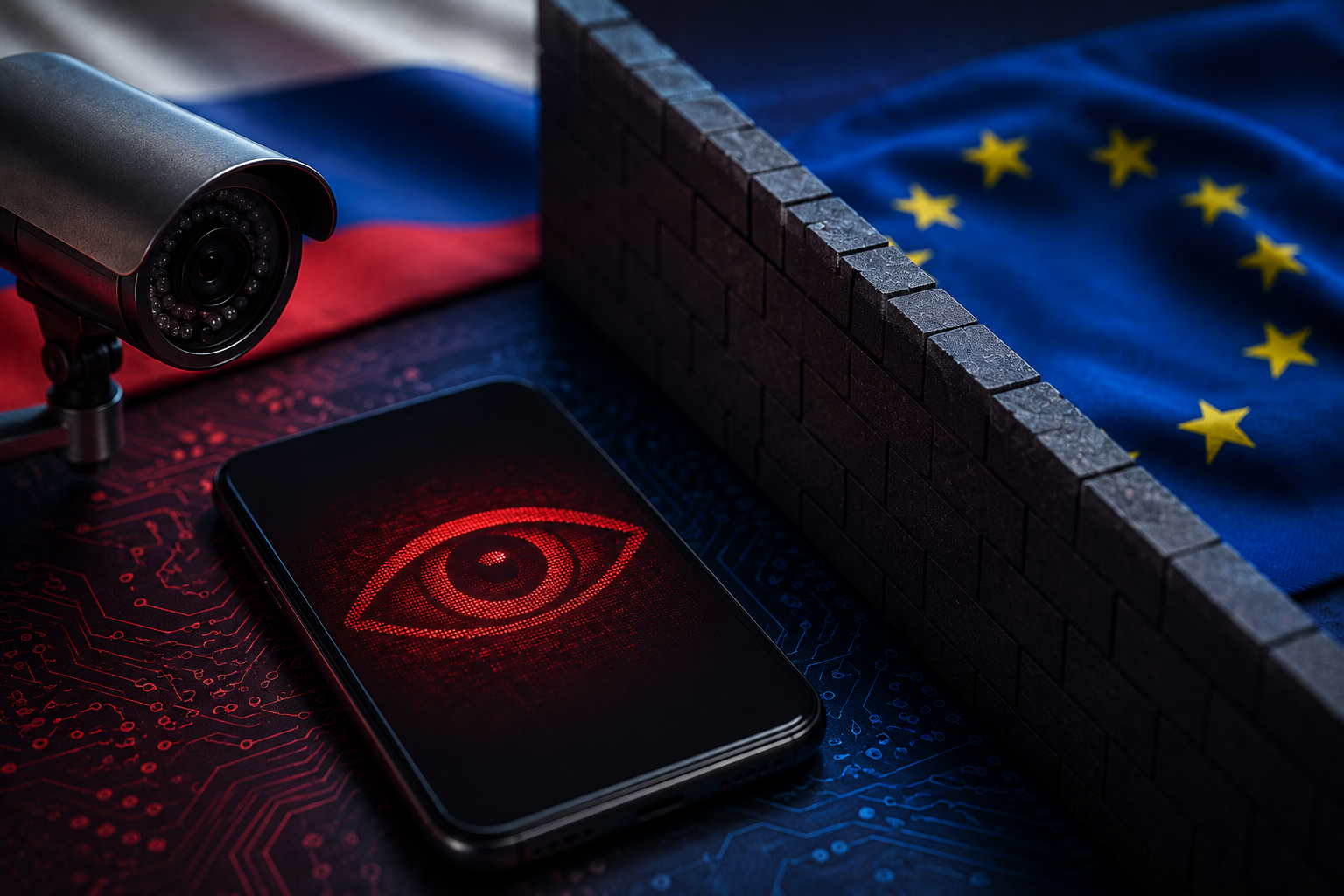
According to the Council of the European Union, the sanctions target VK, the operator of Russia’s largest social media platform VKontakte, over its involvement with Max, a messaging app that European officials say was designed to support Russian state surveillance capabilities. The EU alleges the application enables Russian authorities to collect user information under domestic legislation requiring technology companies to cooperate with security services.
As a result of the sanctions, assets belonging to the designated entities within the European Union will be frozen, while EU individuals and companies are prohibited from making funds or economic resources available to them. The measures also form part of a broader effort to limit Russia’s ability to use digital platforms and technology companies in support of intelligence operations and cyber activities targeting European countries.
The sanctions package also includes several individuals and organizations accused of participating in Russian cyber operations. Among those targeted are members of Russian intelligence services and companies that EU officials say provided technical support for cyberattacks against governments and critical infrastructure across Europe.
European officials argue that digital platforms operating under Russian jurisdiction can be compelled to cooperate with intelligence agencies through national legislation. Privacy advocates have long warned that users of services hosted in Russia may face increased surveillance risks because companies can receive legally binding requests to disclose user information or provide technical assistance to security authorities.
Russia has rejected previous Western accusations that it uses technology companies to conduct surveillance or cyber operations, and the latest sanctions are likely to further increase tensions between Moscow and the European Union. The EU maintains that the measures are intended to respond to malicious cyber activity and reduce the risk posed by organizations it believes support Russian intelligence operations.