Passengers using the London Underground are now encountering live facial recognition cameras as British Transport Police expands a trial that previously concentrated on major railway stations. The first Underground deployment took place at Victoria on August 11, marking a significant expansion of a pilot that will continue until November 2026.
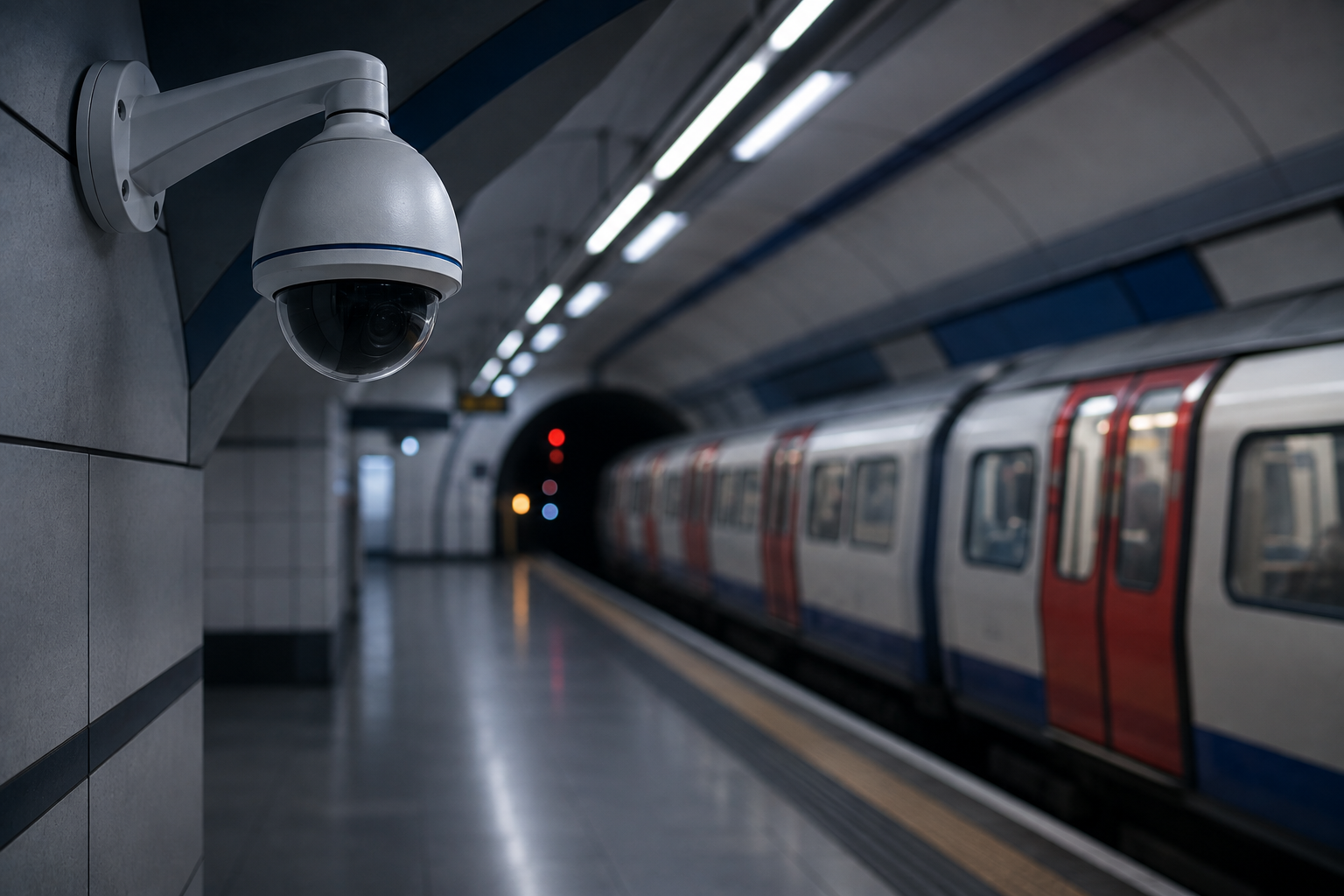
The move brings the technology into a different type of transport environment, where large numbers of passengers continuously pass through confined station spaces. BTP plans to rotate deployments between selected Underground locations and Network Rail stations rather than permanently operating the cameras at Victoria. Earlier stages of the trial, which began on February 11, involved major London transport hubs.
Privacy concerns have accompanied the expansion. Civil liberties organization Big Brother Watch has consistently opposed police use of live facial recognition, arguing that the technology subjects members of the public to biometric surveillance even when they are not suspected of committing an offence. The organization has been campaigning against the increasing deployment of facial recognition by British police forces.
British Transport Police presents the trial differently, describing it as an intelligence-led method of locating people wanted for serious criminal offences. Deployments are intended to focus on areas where police information suggests that wanted individuals may be travelling through the network. BTP says more than three million journeys are made across Britain’s railways each day, creating a highly transient environment for officers to police.
The system does not attempt to establish the identity of every passenger who walks past a camera. Before a deployment, police create a watchlist containing images of people wanted by police or courts, as well as certain individuals subject to court orders. Camera images are processed using NEC’s NeoFace M40 facial recognition technology and compared with the watchlist.
When the software identifies a possible match, an alert is sent to officers. A police officer must then compare the camera image with the person present at the station and determine whether there is a reason to approach them. BTP states that people who are not included on the watchlist cannot be identified through the system.
Data retention also depends on whether the system produces an alert. BTP says biometric information and images belonging to people who do not trigger an alert are automatically deleted immediately. Images associated with alerts are deleted after they have been used or within 24 hours, while CCTV footage feeding the facial recognition cameras is retained for 31 days.
Passengers are supposed to know when a deployment is operating. BTP says it will announce deployments on its website and place visible signs around recognition zones. People who do not want to walk through a scanning area will also be provided with an alternative route.
Chief Superintendent Chris Casey, the senior BTP officer responsible for the project, said adding Underground stations would allow police to assess the technology in a different transport setting. The force says the evaluation will examine effectiveness, effects on public safety and public reaction to its use.
The expanded Underground deployments will now continue alongside those at railway stations until November. BTP says a full assessment will be carried out once the pilot concludes, with the results used to determine lessons from the trial and inform future planning.