India has ordered smartphone manufacturers to install a government cyber safety app on all new devices sold in the country. The telecom ministry stated that the Sanchar Saathi app must be pre-installed and cannot be removed by users. The directive also requires manufacturers to update existing devices with the app through software updates.
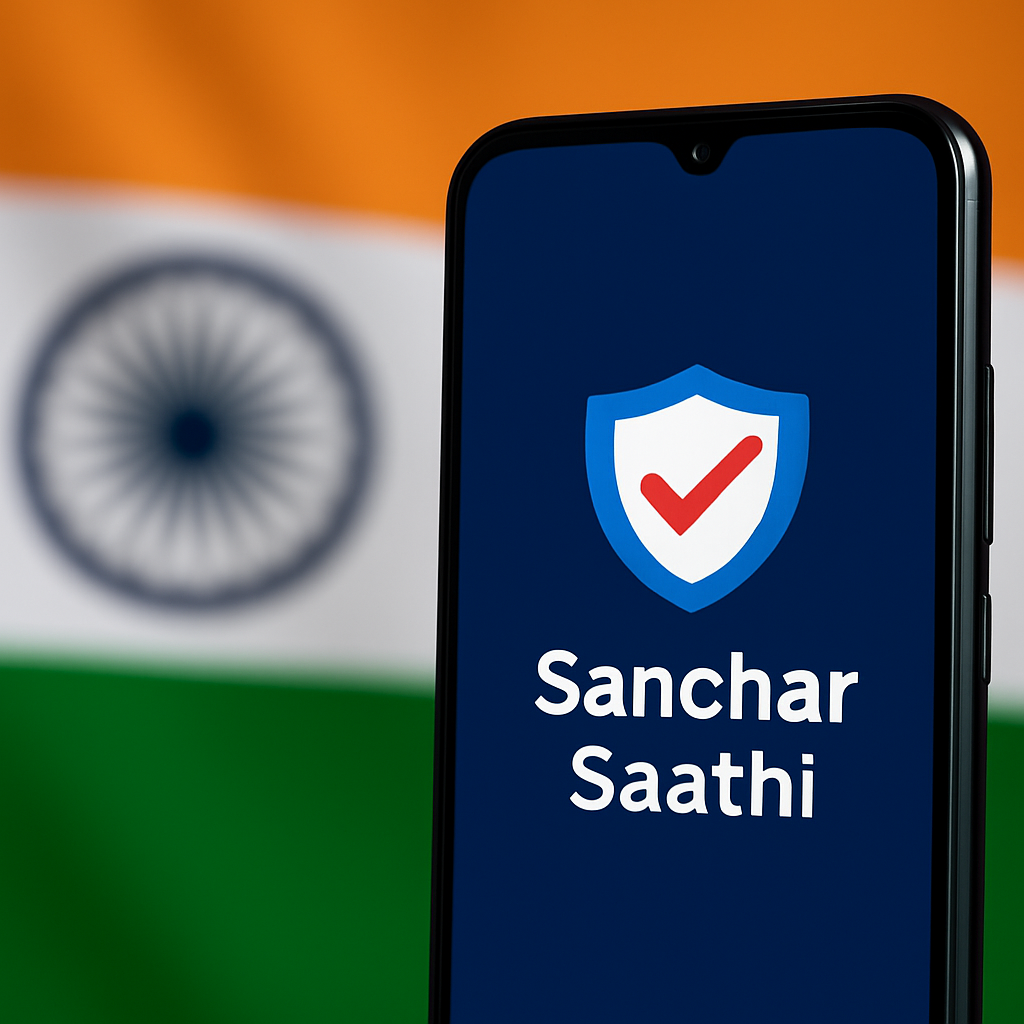
Officials said the measure is intended to reduce cyber fraud and support tools for reporting suspicious activity, blocking stolen phones, and identifying fraudulent telecom connections. Authorities described the app as a public safety measure designed to address misuse of device identifiers and rising levels of mobile-related crime.
The order has prompted resistance from some manufacturers. Reuters reported that Apple plans to oppose the directive. The company said that compulsory installation of government software conflicts with its global privacy and security policies. According to Reuters, Apple will formally notify the government of its position. Other major manufacturers are reviewing the directive while assessing compliance and technical implications.
Privacy advocates criticised the requirement for an undeletable app on all phones. Analysts said the measure removes user consent and could give authorities broad insight into device activity. Rights groups described the mandate as a potential expansion of government access to personal data and said stronger privacy protections are needed before such tools are deployed.
Government representatives defended the decision. They said Sanchar Saathi is designed to support fraud prevention rather than surveillance and argued that the scale of mobile-enabled crime requires coordinated national measures. Officials said the app’s features would not compromise user privacy and that the directive aims to create a consistent safety standard across devices.
Manufacturers and regulators are expected to continue discussions as the policy takes effect. Industry observers said the case reflects ongoing tension between user privacy, commercial practice, and government regulation in India’s mobile market.