Several Indian states are examining whether to introduce age-based limits on social media use by children, as officials debate how to address online safety and data protection for minors. The discussions focus on restricting access for users under 16 and on requiring stronger parental oversight of children’s online activity.
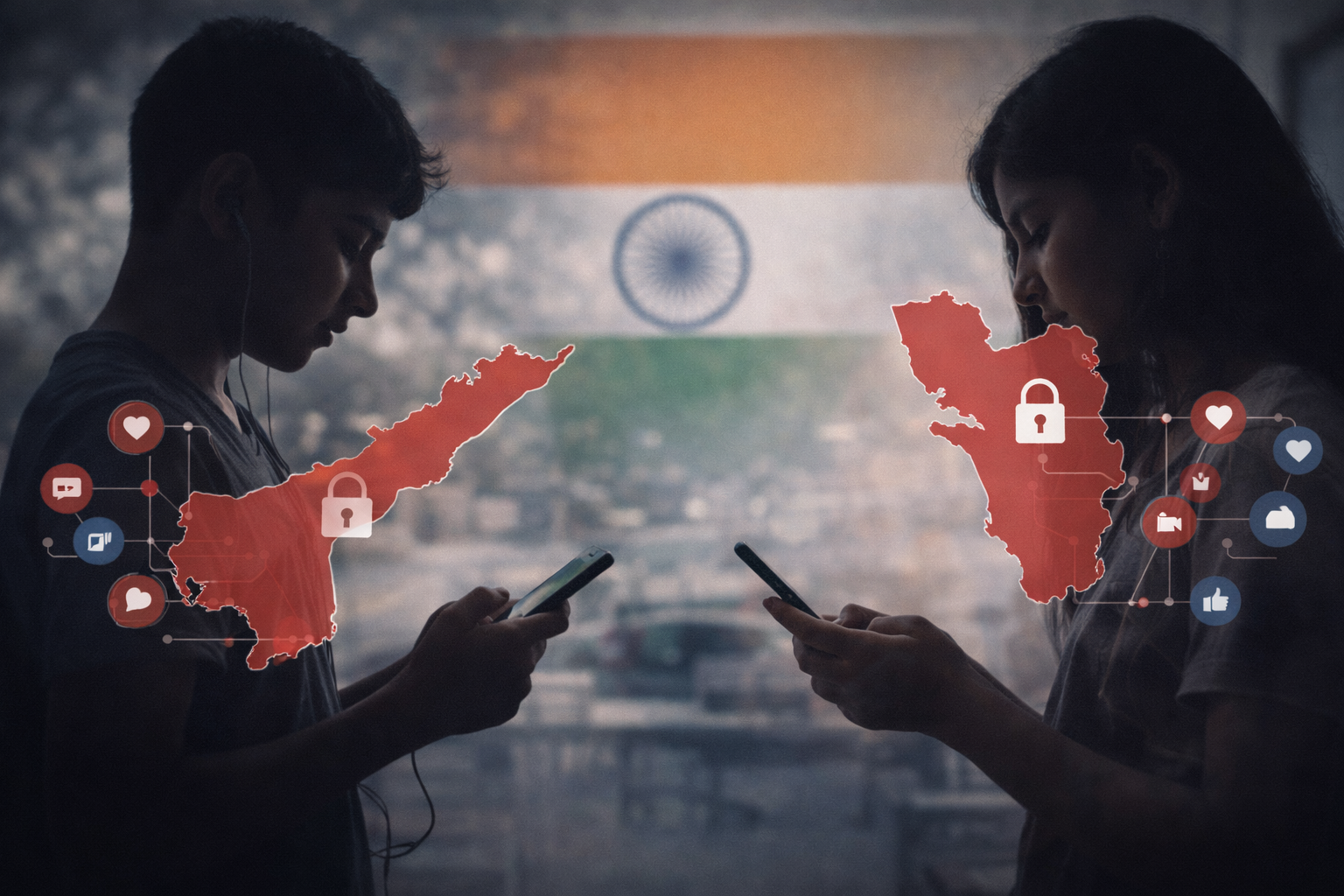
Officials in Goa, a coastal state in western India, said they are studying a possible prohibition on social media use for children below 16. State representatives cited concerns about exposure to harmful content, excessive screen time, and potential effects on mental health. The proposal has been raised in internal government discussions, but no rule has been adopted, and no draft law has been published.
In Andhra Pradesh, a state in southern India, ministers have also discussed whether age limits or additional safeguards are needed for young users. Local media reported that the issue was scheduled for review by a state-level panel. Officials said the aim is to evaluate child safety risks and consider what legal or technical measures could be applied if restrictions move forward.
The debate in Indian states follows national-level comments from policy advisers. India’s Chief Economic Adviser recently suggested that age-based limits and stronger age verification on social media platforms could help protect minors from compulsive use and harmful material. These remarks were presented as policy recommendations rather than binding decisions.
At the national level, India has not introduced a blanket ban on social media for children. The Digital Personal Data Protection Act, 2023, passed by the Parliament of India, sets rules for how companies handle personal data. Draft rules linked to the law require online platforms to obtain verifiable parental consent before processing personal data of users under 18. The law does not ban children from using social media, but it places compliance duties on companies that collect and process data.
Social media regulation for minors is also under discussion in other countries. Governments in parts of Europe and in Australia have reviewed or introduced youth safety rules that include age checks and parental consent requirements. These international examples have been cited in Indian policy discussions as reference points rather than models that India is committed to following.
Representatives of major platforms have said that age verification and parental consent systems can be technically complex and raise privacy questions of their own. Child safety groups in India have called for clear standards and consistent enforcement if new rules are introduced.
For now, the proposals in Goa and Andhra Pradesh remain at the discussion stage. Any binding restrictions on social media access would require formal state action or national legislation. No timeline for decisions has been announced.