Unexpected account registration emails have revealed a security breach affecting approximately 265,000 customers of Transport for London (TfL). The incident exposed personal information stored in Oyster photocard accounts, forcing the transport authority to suspend its online management portal while investigating the intrusion.
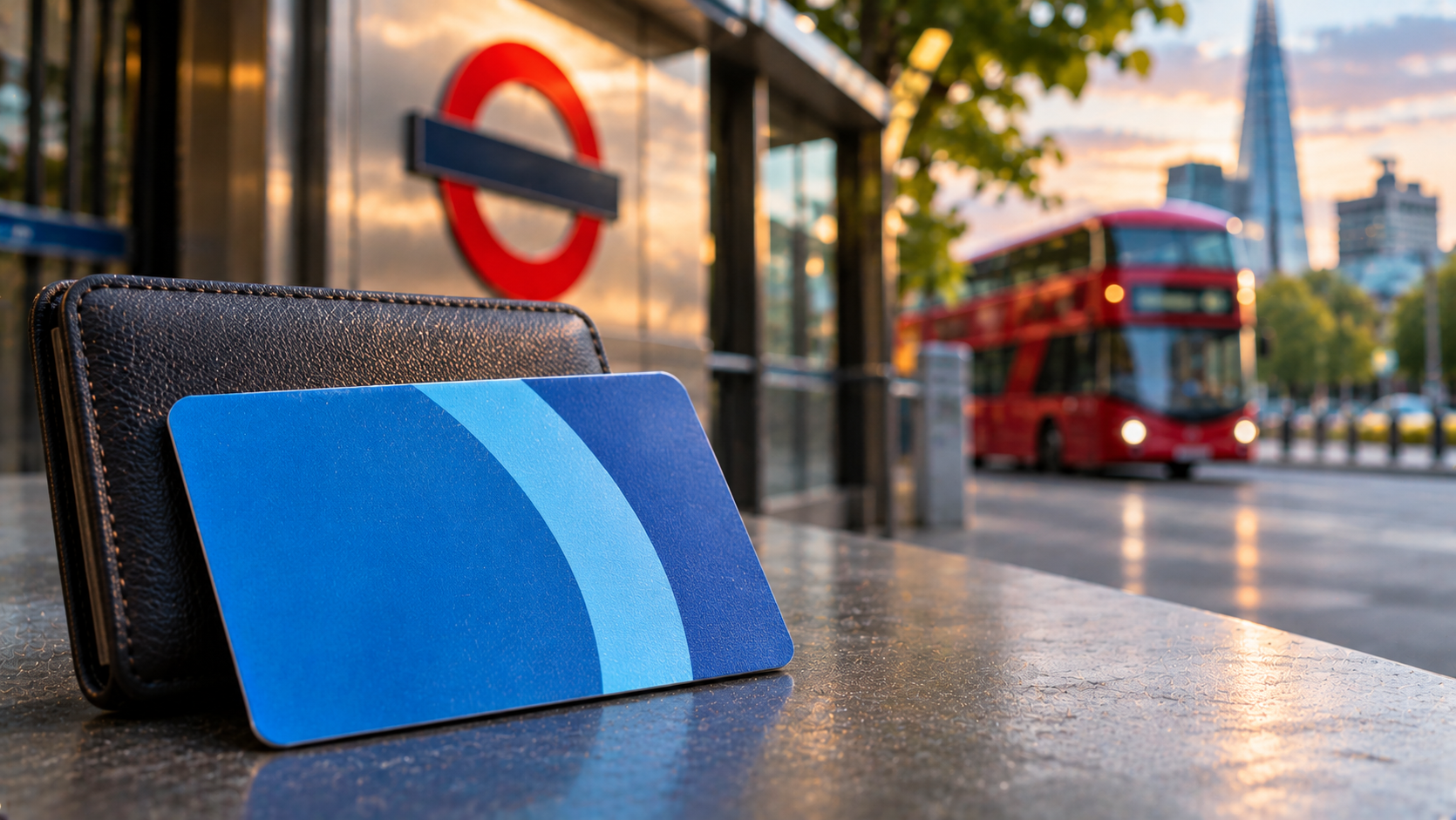
The first warning appeared on November 16, 2026, when existing Oyster photocard holders began receiving emails asking them to create new accounts. The messages originated from TfL’s own systems, despite customers already having registered accounts.
TfL responded by taking the photocard website offline. Further investigation confirmed that an unauthorized party had accessed customer information, prompting the organization to notify affected individuals on November 18.
The compromised records included names, email addresses, telephone numbers, home addresses, dates of birth, and account security questions and answers. The combination of personal details could potentially help criminals impersonate customers or create convincing fraudulent communications.
However, TfL emphasized that several sensitive categories of information remained unaffected. Investigators found no evidence that passwords, bank account details, payment card information, travel histories, or photocard photographs had been compromised.
The authority also clarified that the names and dates of birth of children holding Zip Oyster cards were not exposed.
Oyster photocards provide free or discounted public transportation to eligible London residents. The potentially affected accounts cover several categories, including children and teenagers using Zip Oyster cards, students, apprentices, care leavers, veterans, and residents aged 60 or older.
Although the online management platform remains unavailable, customers can continue travelling with their existing photocards. Cards can also be topped up at ticket machines in London Underground and National Rail stations.
Passengers requiring assistance with renewals or journey history inquiries have been directed to TfL’s customer service department.
Shashi Verma, TfL’s director of technology strategy and revenue, confirmed that the incident had been contained. He said the organization’s rapid response had significantly reduced the number of customers potentially affected.
TfL has reported the breach to the UK’s Information Commissioner’s Office and is continuing its investigation. The authority has not disclosed how the attackers gained access or identified those responsible.
Site Disclaimer
2-remove-virus.com is not sponsored, owned, affiliated, or linked to malware developers or distributors that are referenced in this article. The article does not promote or endorse any type of malware. We aim at providing useful information that will help computer users to detect and eliminate the unwanted malicious programs from their computers. This can be done manually by following the instructions presented in the article or automatically by implementing the suggested anti-malware tools.
The article is only meant to be used for educational purposes. If you follow the instructions given in the article, you agree to be contracted by the disclaimer. We do not guarantee that the artcile will present you with a solution that removes the malign threats completely. Malware changes constantly, which is why, in some cases, it may be difficult to clean the computer fully by using only the manual removal instructions.