The city of Ludwigshafen in Germany has taken its IT systems offline following what officials described as a serious cybersecurity incident. The disruption began on the morning of November 6, when technicians detected irregular activity within the city’s digital infrastructure. In response, authorities decided to disable most online systems to prevent further damage and begin a detailed forensic investigation.
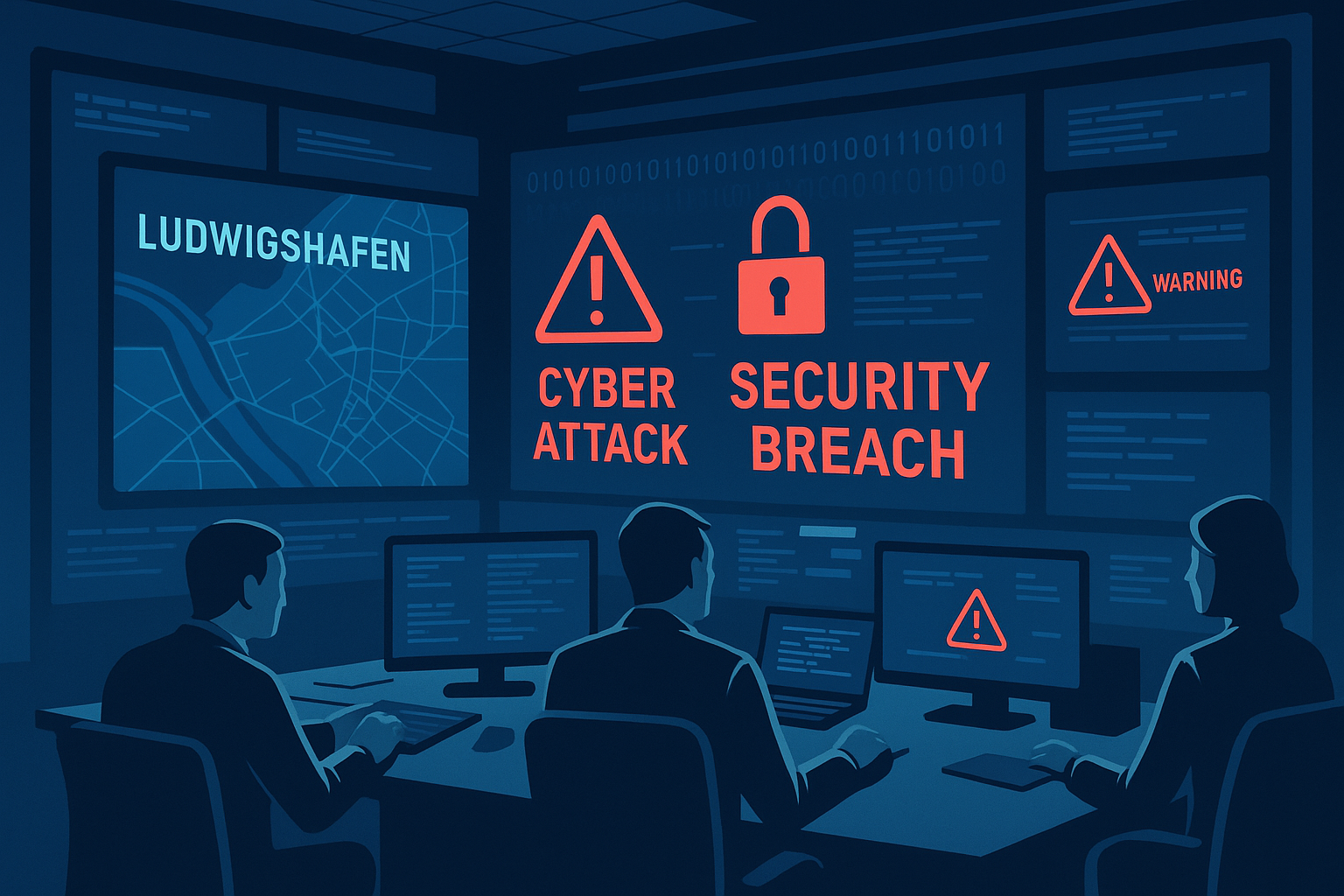
According to a statement from the city’s administration, the shutdown was a precautionary measure intended to protect municipal data and services. Officials confirmed that the city’s internal network, websites, and email systems were all taken offline. As a result, communication between departments and with the public has been temporarily restricted.
Despite the digital disruption, core municipal functions such as waste collection, public safety, and emergency response continued without interruption. However, residents are currently unable to access many online services, including administrative forms, billing systems, and digital appointments. City offices remain open but are operating in limited capacity using manual processes until the systems can be restored.
Ludwigshafen officials said the incident is being treated as a suspected cyberattack rather than a technical malfunction. Early analysis suggests that the activity detected on the network was deliberate, though investigators have not yet confirmed who was behind it or how access was obtained. The city emphasized that the decision to disconnect systems was based on precaution, not evidence of data theft.
Investigation ongoing as forensic teams assess damage
The city has engaged cybersecurity specialists to conduct a forensic review of its servers and network architecture. Officials said the investigation will determine the method of intrusion and whether any personal or operational data was accessed or copied. As of this week, there is no confirmation that sensitive information was stolen, and no group has publicly claimed responsibility.
Authorities said the priority is to restore systems safely while ensuring that vulnerabilities are addressed before reconnecting to the internet. The recovery process could take several days or longer, depending on the investigation’s results. The municipality has not disclosed whether the attack involved ransomware or if any ransom demand was made.
Cybersecurity experts note that public administrations across Germany have faced an increasing number of targeted attacks over the past two years. Municipal networks are considered high-value targets because they store personal data and often rely on outdated or fragmented systems that are harder to secure. Analysts suggest that the Ludwigshafen incident fits a growing trend of cyberattacks aimed at disrupting local government operations rather than stealing specific data.
The Ludwigshafen city administration stated that it is working closely with regional IT partners and federal cybersecurity authorities to coordinate recovery efforts. Officials said updates will be shared once the forensic review is complete and normal digital operations can safely resume.