For many Americans, the idea of personal data leaks has long felt like something that happens to other people, a distant issue reserved for large corporations, celebrities, or those who fall for obvious scams. But according to a recent survey conducted by NordVPN, that false sense of security is being shattered.
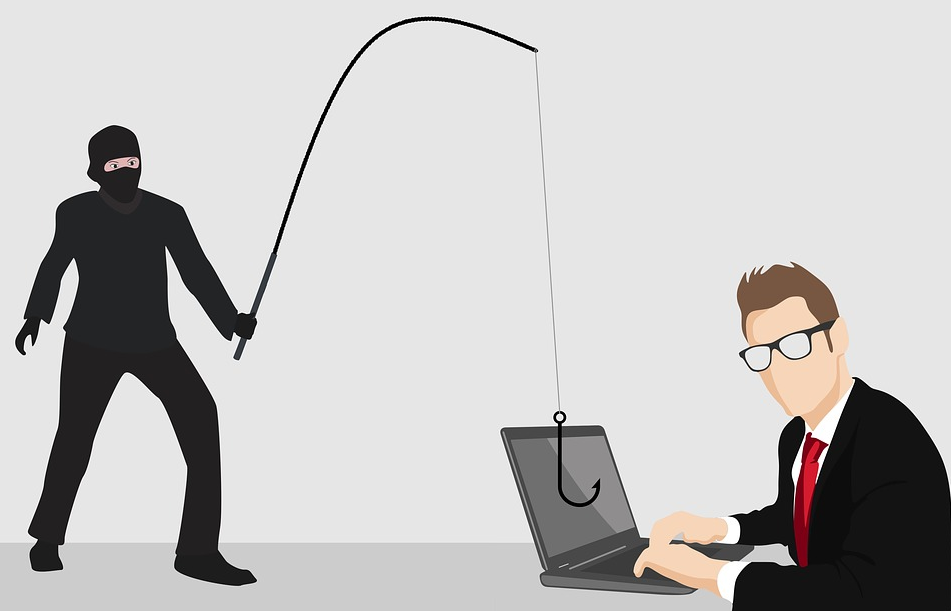
The study found that more than half of Americans have had their personal information leaked online at some point. That means millions of people have seen their private data, from login credentials to addresses, birthdays, or even financial information, exposed on the internet, often without realizing it.
The research highlights a growing divide between awareness and action. People know about online threats, but few take the necessary steps to protect themselves. Despite hearing about major hacks and dark web activity, most individuals underestimate how much of their personal information has already escaped their control.
What the NordVPN survey discovered
NordVPN’s study paints a sobering picture of digital life in the United States. The company found that around 88 percent of Americans say they have heard of the dark web, the underground corner of the internet where stolen data and illegal goods are traded. But even with that awareness, fewer than half of respondents have ever checked to see whether their own data was compromised.
More than 50 percent of participants said they believe their personal information has been leaked at least once, yet 46 percent admitted they have never verified if that was true. That means millions of people could have sensitive data circulating online without any knowledge of it.
The survey also found that about 66 percent of Americans think their personal details may be available for sale on the dark web or on hacker forums. Meanwhile, 60 percent confessed to using public Wi-Fi networks regularly without any protective tools, a habit that makes them especially vulnerable to digital eavesdropping and credential theft.
When asked how they first learned their data was leaked, 40 percent said they were notified by a company or authority, while around 20 percent discovered it themselves after checking. The rest remained unaware until they faced a direct issue, such as account compromise or fraudulent transactions.
The illusion of online safety
These findings reveal a troubling truth about how Americans perceive online safety. Most people believe they are better protected than they actually are. The rise of antivirus software and built-in security tools has given many users a false sense of immunity. But NordVPN’s research shows that having security software alone does not shield against data breaches or leaks.
An antivirus program can defend against certain types of malware, but it does little to protect personal information once it’s already stored by websites, apps, or online retailers. Once those databases are hacked, your data can end up exposed regardless of what software you have installed.
This false confidence leaves people complacent. They reuse passwords, ignore breach notifications, and continue logging in through unsafe networks because they assume someone else is handling security on their behalf. The result is a digital environment filled with small, avoidable risks that pile up over time.
What a data leak really means
A personal data leak isn’t just a technical inconvenience. It’s an opening for identity theft and financial fraud. Once your email address, phone number, or password is compromised, criminals can use that information in many ways. They might try to access your social media, online banking, or shopping accounts. Some combine data from multiple leaks to impersonate you and apply for loans or credit cards.
Even seemingly harmless information, like your old usernames or partial addresses, can help attackers build a profile of you. The more data they collect, the easier it becomes to target you with phishing scams or social engineering tactics that look convincing because they contain accurate details.
NordVPN’s survey suggests that millions of Americans are already in this position, often without realizing it. Many people only find out about a leak after receiving a warning email from a service they use, or worse, when fraudulent activity appears on their accounts.
Public networks and the hidden risks
The survey also exposed another dangerous habit: careless use of public Wi-Fi. Many Americans connect to free networks in cafes, airports, or hotels without thinking twice. But these networks are rarely encrypted, which means anyone else connected can potentially monitor your online activity.
If you log into your email or bank account on such a network without protection, your credentials could be intercepted by someone sitting a few tables away. Tools for this kind of attack are widely available and require minimal technical skill. Yet most users believe that as long as they see the Wi-Fi symbol, they’re safe.
NordVPN and other cybersecurity experts strongly recommend using a virtual private network (VPN) when connecting to public Wi-Fi. A VPN encrypts your internet traffic, making it nearly impossible for others on the same network to see what you are doing or steal your credentials.
Taking control of your online security
So, what can you do if you suspect your data has been leaked, or want to prevent it from happening again? The first step is to check. NordVPN and several other security providers offer free tools that let you see whether your email address or passwords have appeared in known data breaches.
If you find a match, change your passwords immediately. Use unique, complex passwords for every account and store them in a secure password manager. Enable two-factor authentication wherever possible, so even if your credentials are stolen, attackers will need an extra code from your device to log in.
Avoid connecting to unsecured public Wi-Fi, and if you must, use a VPN to encrypt your connection. Keep your devices updated since many cyberattacks exploit outdated software. And most importantly, stay cautious of unsolicited messages, as phishing emails and fake alerts remain one of the most common ways criminals steal information.
These may sound like small steps, but they are powerful. The difference between those who fall victim to identity theft and those who don’t often comes down to how consistently they apply these practices.
The larger message behind the data
The NordVPN survey is more than just a list of statistics. It’s a wake-up call about how disconnected most people are from the true state of their digital privacy. People understand that cybercrime exists, but they underestimate its reach and assume the problem won’t touch them personally.
In reality, the problem is already at their doorstep. If more than half of Americans have had data leaked, that means exposure is not an exception, it’s the new normal. The challenge now is shifting from awareness to accountability. Knowing that data breaches are common is not enough. Individuals need to act like guardians of their own information, not passive bystanders.
The report also highlights the need for better education around digital safety. Many people believe that avoiding suspicious websites or not downloading random files is enough. But today, the real danger often comes from legitimate platforms that suffer breaches despite following standard security protocols.
Until people understand that privacy requires active maintenance, breaches and leaks will continue to outpace prevention efforts.