New data from the NSPCC indicates that online blackmail is affecting a significant number of families in the United Kingdom. The charity reported that 21% of parents and carers know at least one child who has been blackmailed online. The findings come from a survey of more than 2,500 parents and carers of children aged 8 to 17. Researchers said many respondents believe that some cases remain unreported because children may feel unable or unwilling to disclose what has happened.
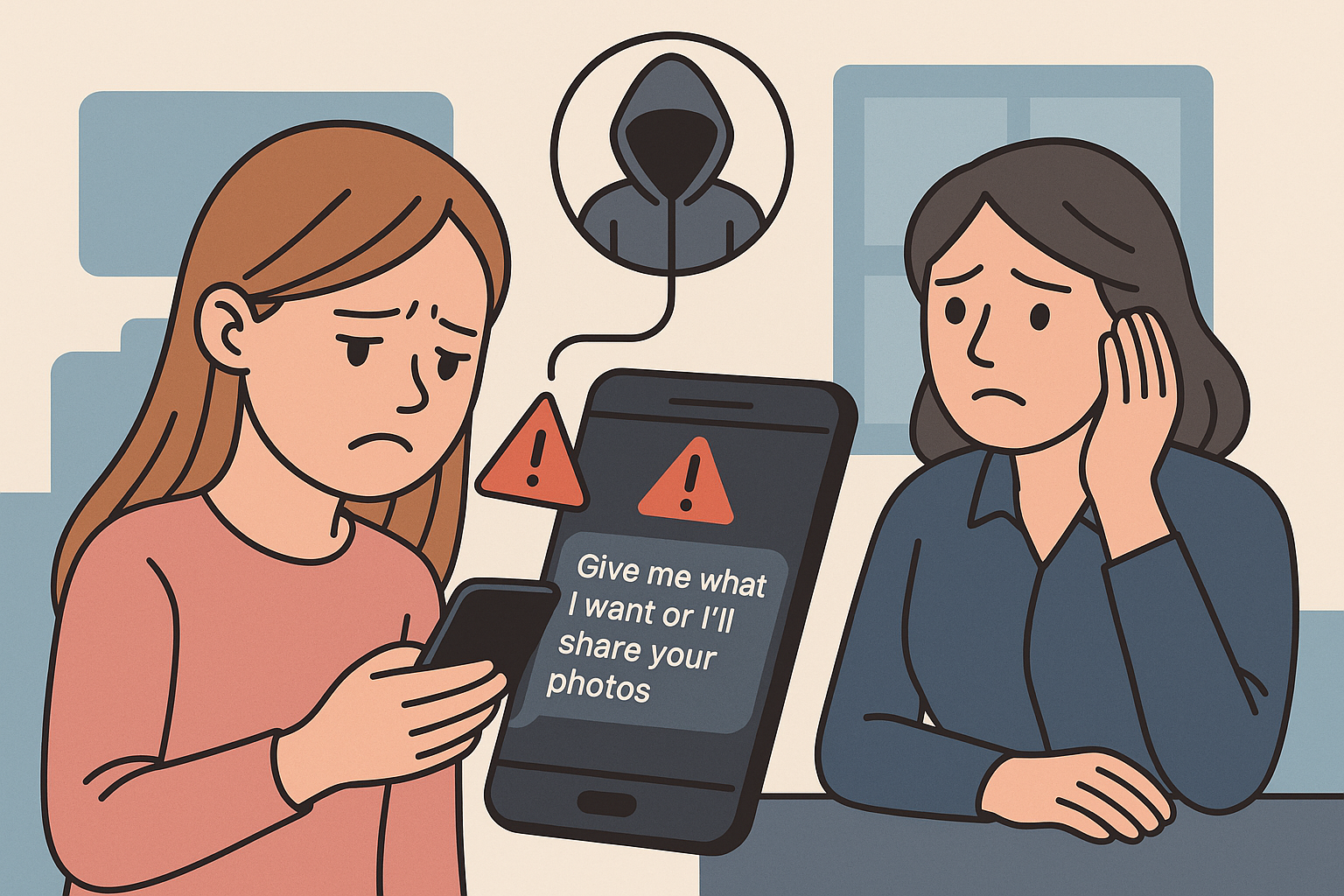
Earlier reporting identified similar trends. Nearly one in ten UK parents said their own child had been a victim of online blackmail. Reported threats ranged from attempts to extort money to coercion involving intimate images or sensitive personal information. The NSPCC said such incidents can involve threats to share private details or images unless the child complies with demands. The charity noted that threats may come from strangers or peers and may escalate when children fear immediate consequences.
The NSPCC said the findings highlight gaps in communication between children and adults. A portion of parents surveyed said they rarely discuss online risks with their children. Some respondents said they were concerned about causing distress, while others said they did not know how to start the conversation. The charity said that limited communication increases the likelihood that children will handle threats alone.
Child protection specialists said the data reflects a growing pattern of blackmail attempts against young people. They noted that children in pressured situations may comply with demands in the hope of avoiding embarrassment or exposure. According to the NSPCC, the risk is heightened when the child believes the blackmailer has access to personal information or previously shared images.
The charity called for improved safety measures from technology companies. It said platforms should provide clearer reporting systems and stronger protections for younger users. The findings also renewed calls for sustained public awareness efforts so that families can recognise early signs of coercion.
The NSPCC urged parents and carers to engage in regular conversations about online behaviour and potential risks. It said the survey results show that preventive discussion remains one of the most effective ways to help children understand how to respond to threats. The charity also encouraged families to seek professional support if a child may have been targeted.
Incoming search terms:
Site Disclaimer
2-remove-virus.com is not sponsored, owned, affiliated, or linked to malware developers or distributors that are referenced in this article. The article does not promote or endorse any type of malware. We aim at providing useful information that will help computer users to detect and eliminate the unwanted malicious programs from their computers. This can be done manually by following the instructions presented in the article or automatically by implementing the suggested anti-malware tools.
The article is only meant to be used for educational purposes. If you follow the instructions given in the article, you agree to be contracted by the disclaimer. We do not guarantee that the artcile will present you with a solution that removes the malign threats completely. Malware changes constantly, which is why, in some cases, it may be difficult to clean the computer fully by using only the manual removal instructions.