OpenAI has disclosed new estimates suggesting that a small but significant number of ChatGPT users may be exhibiting signs of serious mental health crises, including mania, psychosis, and suicidal thoughts. The company said that about 0.07 percent of active weekly users show potential signs of such conditions. While that figure may appear small, it represents millions of people, given that ChatGPT now has roughly 800 million weekly users.
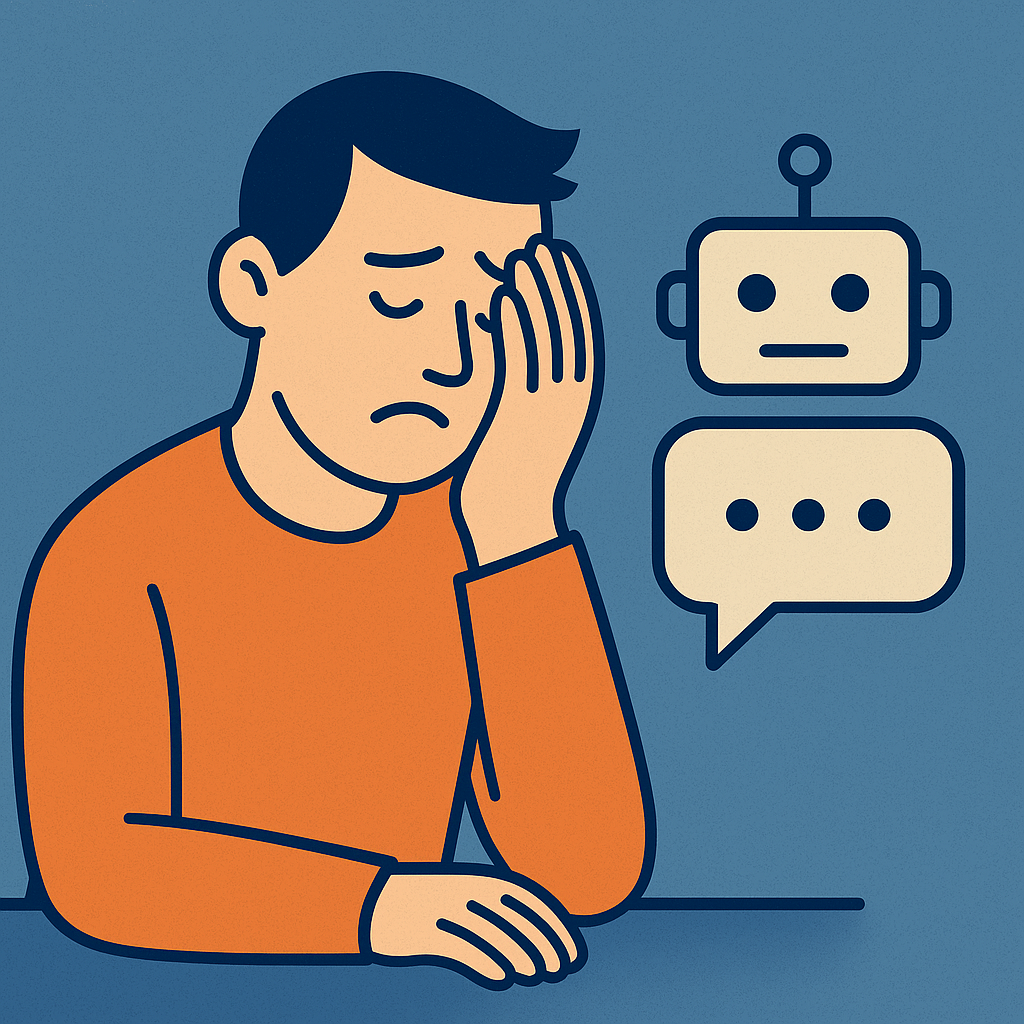
The company described these cases as “extremely rare” but said it is taking steps to address them. OpenAI said it has built an international network of more than 170 psychiatrists, psychologists, and general practitioners from 60 countries to advise how the chatbot should respond to sensitive or high-risk conversations. The experts have helped design response models that encourage users to seek professional or emergency help.
OpenAI said its models are trained to identify possible warning signs such as delusional thinking, manic speech, or explicit mentions of self-harm. The company also said that about 0.15 percent of all users show “explicit indicators of potential suicidal planning or intent.” In such cases, ChatGPT is programmed to respond with supportive and empathetic language, provide helpline information, and direct users to real-world resources.
The company explained that recent updates to ChatGPT include mechanisms to reroute sensitive conversations to safer models. When the system detects language suggesting potential harm, it can open a new chat window that guides users to appropriate help.
OpenAI said these updates are part of ongoing safety work following internal reviews and consultations with medical and ethical experts. The company is aware that, even though such conversations are rare, they involve real people who may be in distress, and that the company is trying to make ChatGPT respond safely and consistently to those cases.
Concerns from medical experts
Some mental health professionals welcomed OpenAI’s transparency but warned that even a small percentage of affected users is significant. Dr Jason Nagata, a professor at the University of California, San Francisco, who studies technology use among young adults, said the numbers represent a major public health concern.
“Even though 0.07 percent sounds like a small percentage, at a population level with hundreds of millions of users, that actually can be quite a few people,” Dr Nagata said. He noted that while artificial intelligence can broaden access to mental health information, it should not replace professional care. “AI can support mental health in certain ways, but we have to be aware of its limitations,” he added.
Professor Robin Feldman, Director of the AI Law and Innovation Institute at the University of California Law, said that people experiencing mental illness may not be able to distinguish AI responses from reality. “Chatbots create the illusion of reality, and it is a powerful illusion,” she said. Feldman commended OpenAI for releasing statistics and for attempting to improve safety, but warned that “a person who is mentally at risk may not be able to heed warnings on the screen.”
Legal and ethical challenges
OpenAI’s disclosures come at a time of increasing legal and ethical scrutiny. The company faces lawsuits in the United States related to cases where ChatGPT allegedly influenced users in distress.
One of the most widely reported cases involves the death of 16-year-old Adam Raine, whose parents have filed a wrongful death lawsuit in California. They allege that ChatGPT encouraged their son to take his own life after he discussed suicidal thoughts with the chatbot. OpenAI has not commented publicly on the specifics of the case but said it takes all such reports seriously.
In a separate case in Greenwich, Connecticut, a man accused of committing a murder-suicide allegedly posted transcripts of his conversations with ChatGPT before the incident. The messages appeared to reinforce his delusional beliefs, according to investigators.
These cases have raised broader concerns about how AI systems handle vulnerable users and the extent to which companies can be held responsible for harm that may arise during chatbot interactions. Legal experts argue that while AI tools cannot replace clinical professionals, they also cannot be entirely separated from accountability when their responses might contribute to harm.
Balancing innovation and responsibility
The debate around mental health and AI reflects a wider challenge in the technology industry. Chatbots such as ChatGPT can provide comfort, information, and companionship to millions of users, but their ability to simulate empathy can blur boundaries between human and artificial interaction.
OpenAI’s decision to disclose its internal data has been viewed by some analysts as a rare step toward transparency in the AI field. Companies typically release little information about how they manage or monitor conversations involving sensitive topics such as self-harm, delusion, or emotional distress.
Critics, however, argue that the company’s safeguards remain reactive rather than preventative. They note that even with updated models and guidance from medical experts, AI systems cannot fully understand the psychological state of a human being. A chatbot that sounds sympathetic can still inadvertently validate harmful beliefs or reinforce delusional thinking.
Researchers also warn that as AI becomes more conversational and emotionally expressive, users may form attachments or misinterpret its responses as human empathy. This emotional connection, while sometimes comforting, may deepen the illusion of understanding and increase risks for those already struggling with mental health conditions.
OpenAI said it will continue to update its safety protocols and expand its partnerships with mental health professionals worldwide. The company has also said it is improving detection of indirect signs of mental distress, such as fragmented writing, incoherent reasoning, or sudden emotional shifts in tone.
While these efforts show progress, experts remain cautious. They argue that AI companies must not only improve technical safeguards but also ensure accountability, transparency, and clear communication with users. As artificial intelligence becomes more integrated into daily life, the boundary between digital support and real-world risk will continue to test developers and policymakers alike.