The Russian government has taken steps to block access to the messaging app WhatsApp and apply restrictions to Telegram as part of a broader effort to control internet communications within the country. Russian authorities’ actions intensified a campaign that has included limits on other foreign-based digital services.
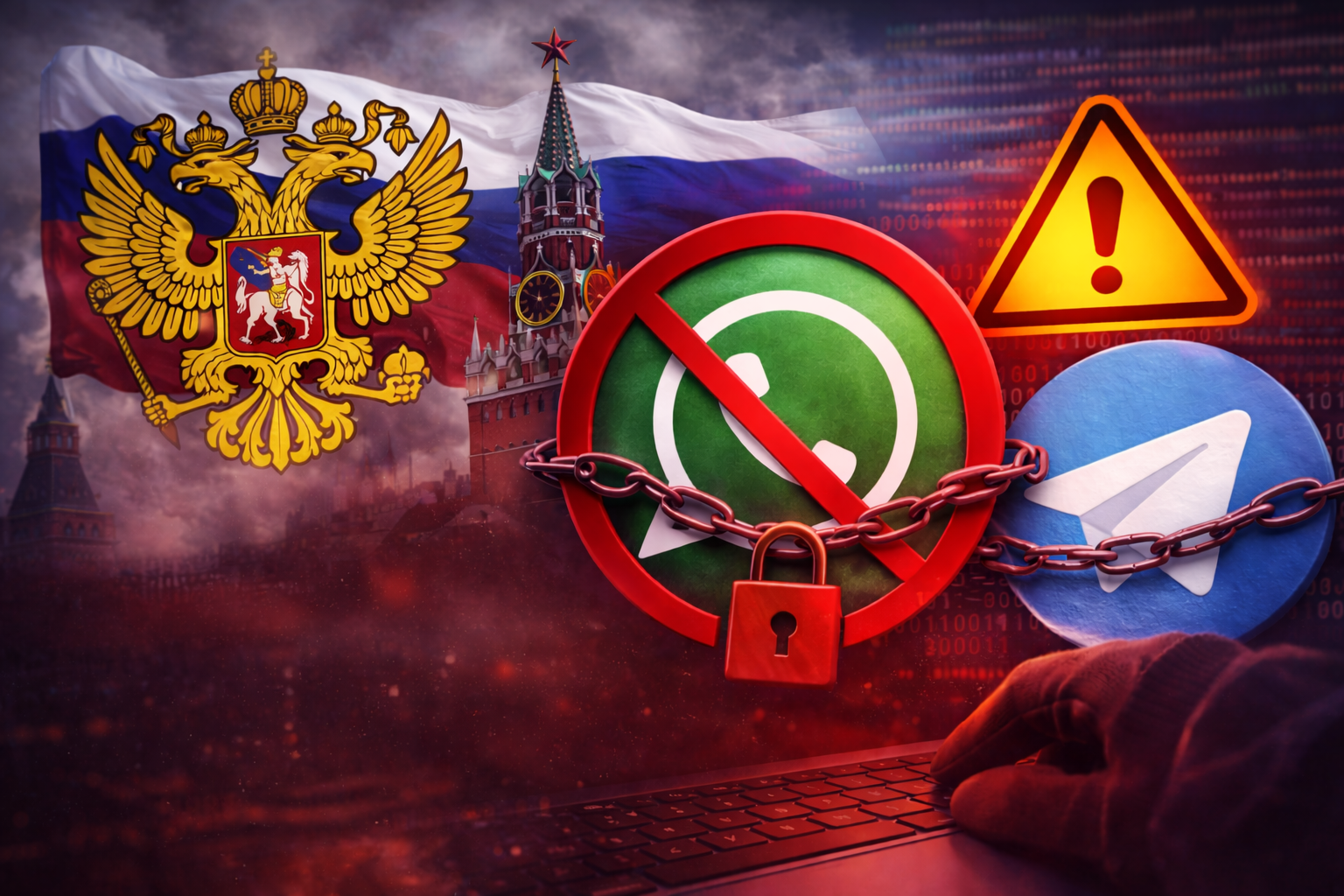
Russia’s telecommunications regulator, Roskomnadzor, excluded the domains whatsapp.com and web.whatsapp.com from the country’s national domain name system, preventing standard routing of WhatsApp traffic and making the service accessible only through virtual private networks or external domain resolvers. Officials cited the need to counter criminal activity and fraud as the reason for the domain exclusions.
Meta Platforms’ WhatsApp later announced that Russia had attempted to fully block the messaging service after it failed to comply with local legal requirements. A spokesperson for the company said the move would isolate more than 100 million users and described it as a backward step that could reduce safety for people in Russia. The statement also said WhatsApp would strive to keep users connected despite the restrictions.
Kremlin spokesperson Dmitry Peskov confirmed the government’s position that Meta must conform to Russian laws for the ban to be lifted, and suggested that continued dialogue over legal compliance could lead to restored access. The official description of the policy framed the decision as a matter of enforcing domestic regulations.
In parallel, Telegram has faced restrictions within Russia. Roskomnadzor reportedly began measures to slow down and limit access to the app, citing concerns over fraud and criminal misuse of the platform’s services. Some disruptions were reported by users in urban areas, reflecting the practical effect of the regulator’s actions.
The government has promoted the state-supported messaging app called MAX as an alternative to foreign services. Russian authorities have mandated that MAX be pre-installed on new mobile devices and have encouraged users to migrate to the platform, which is developed by a domestic company. Critics have expressed concern about MAX’s encryption and data collection practices, but the state has presented it as a secure option aligned with national digital sovereignty goals.
Russia’s efforts against WhatsApp and Telegram are part of a wider pattern of internet controls that intensified after the invasion of Ukraine in 2022. Earlier restrictions included blocking services such as Facebook and Instagram and throttling features on other platforms that did not comply with local requirements. Users have often turned to VPNs to circumvent some blocks, though these tools are also subject to state interference.
Roskomnadzor’s moves reflect longstanding debates within Russia over foreign technology companies and data access. Previous attempts to block Telegram in 2018 were linked to disagreements over providing encryption keys to security services, and those block orders were eventually lifted after legal negotiations. The current restrictions build on that complex history of internet regulation and platform compliance within the Russian digital environment