The government of Greece is close to announcing a nationwide ban on social media access for children younger than 15, according to senior officials. The proposal, reported by Reuters and cited by government sources, would prohibit minors under the age threshold from creating or using accounts on social networking platforms as part of a policy aimed at protecting young people’s mental health and safety online.
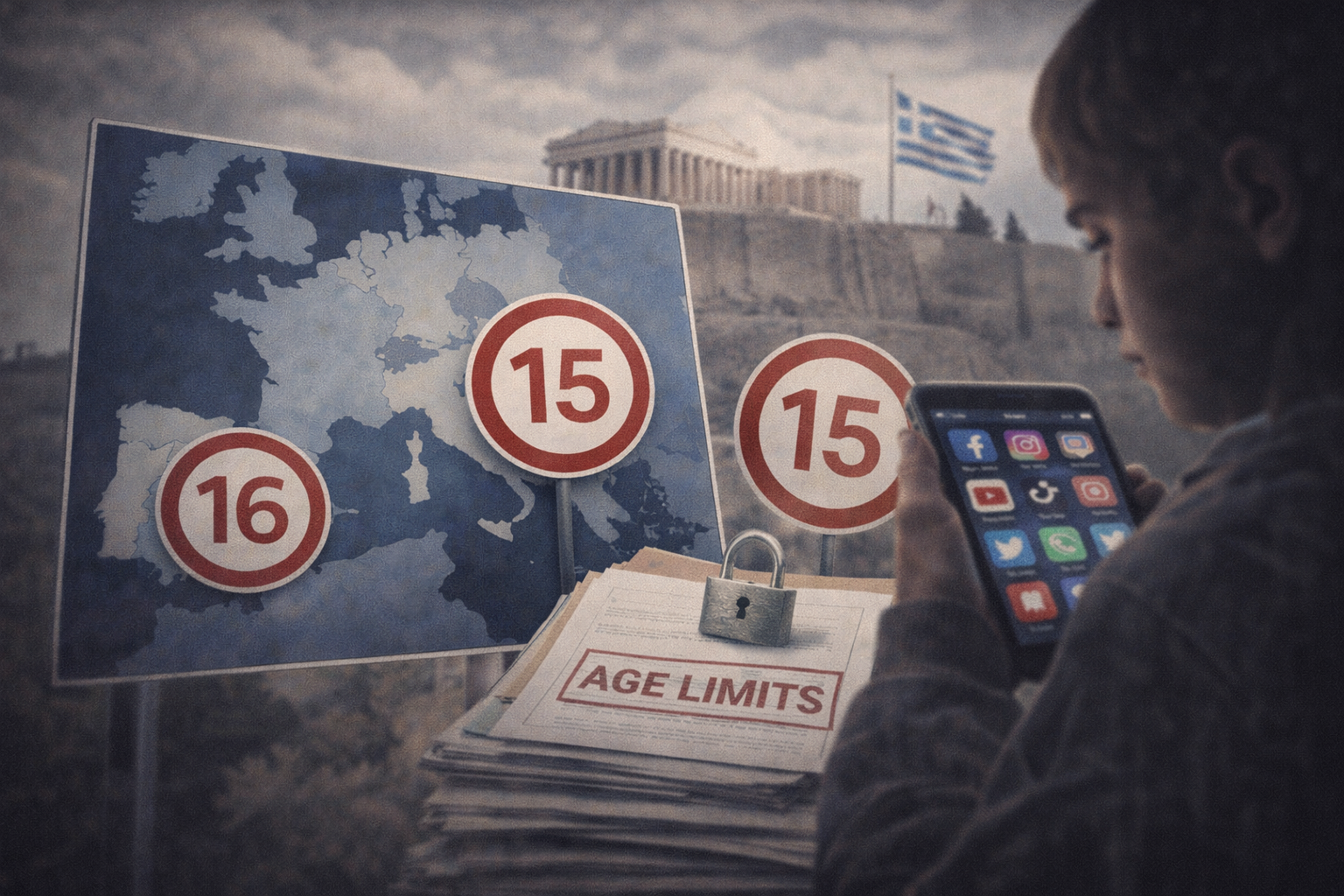
A senior government source said the initiative has been under consideration and that an official announcement could come in the coming weeks. Under the planned rules, social media companies operating in Greece would be required to block users younger than 15 from accessing their services or permitting account creation. Enforcement mechanisms and technical implementation details have not been published, but authorities indicated that platforms would need to demonstrate effective age verification measures before allowing access to minors above the threshold.
Officials said the policy discussion reflects growing national and European concerns about the effects of social media on children’s well-being. Government statements have highlighted risks associated with prolonged screen time, exposure to potentially harmful content, and the challenges parents face in monitoring online activity. Supporters of the proposal argue that setting a minimum age for social media use would give parents clearer boundaries for children’s digital engagement.
The move in Greece follows similar initiatives in other European states. For example, the government of Spain recently proposed legislation to ban social media use for individuals under 16 and to introduce rules holding platform executives personally accountable for harmful or illegal content. That Spanish proposal has been widely reported alongside Greece’s plans and reflects a broader shift in policy debates across the European Union regarding minors’ access to online services.
Greece’s draft policy has not yet been published formally and has not been voted on by the country’s Parliament. Government officials said consultations with technology companies, child welfare groups, and legal experts are ongoing to shape the final form of the legislation. Critics of age-based social media limits have previously questioned how age checks would be implemented in practice and whether such systems could infringe on privacy or be circumvented by determined users.
There has been no public comment from major social media platforms about the Greek proposal. Industry representatives in other countries have said that age verification can be technically complex and that restrictions need to be carefully designed to avoid unintended consequences, such as driving children to less regulated online spaces.
Proponents of the policy in Greece emphasise parental consent mechanisms and safeguards for older teens. Government sources said the age threshold and enforcement tools would be calibrated to balance online safety concerns with practical considerations for families and service providers. Legislation, once finalised, would set a clear legal standard for minimum age requirements for social media use in Greece.