Spain has launched an investigation into Meta Platforms following allegations that the company used undisclosed tracking methods on Android devices. The announcement came from Prime Minister Pedro Sánchez, who said the government would require Meta to appear before a parliamentary committee to explain its data practices. According to officials, the investigation was prompted by research suggesting that Meta collected browsing information without notifying users. The government said the inquiry will assess whether the company violated Spanish law and European Union regulations. Meta has not yet issued a public response.
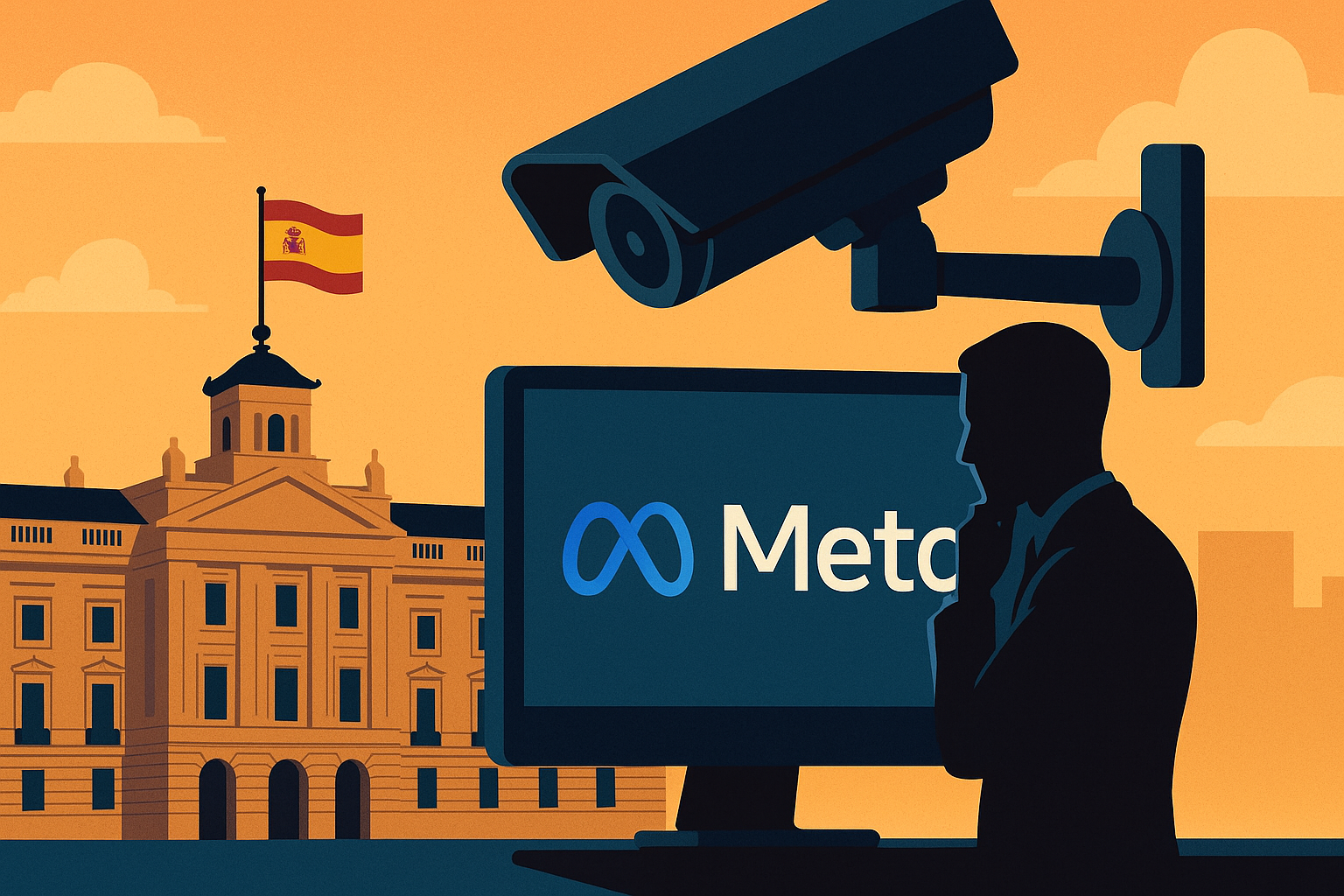
Spanish authorities said the alleged conduct may contravene several European privacy frameworks. These include the General Data Protection Regulation, the ePrivacy Directive, the Digital Markets Act and the Digital Services Act. Investigators will examine whether Meta obtained valid consent, whether users were informed about the tracking and whether any data was processed without a lawful basis. They will also review the level of transparency provided to individuals who use Meta’s services. The findings may influence how other EU member states evaluate mobile-based tracking practices.
Prime Minister Sánchez stated that national law applies to all platforms operating in Spain and that user rights must be protected. His office said the investigation reflects growing concerns about the influence of large technology companies on privacy and digital governance. Analysts note that the probe adds to Meta’s existing regulatory challenges in Europe. The company previously received a significant antitrust fine and remains subject to several ongoing inquiries focused on advertising and data access.
The case highlights the regulatory focus on tracking technologies embedded within mobile ecosystems. These mechanisms can monitor user behaviour across apps and websites and can operate at a level that may not be visible to the individual. Privacy experts say that undisclosed tracking raises concerns because it can influence targeted advertising and data profiling without clear consent. The Spanish investigation suggests that device-level activity will receive greater scrutiny as regulators seek to understand how personal information moves across platforms.
Technology companies, advertisers and software developers are following the case closely. Many rely on behavioural data gathered from mobile devices and will assess whether the investigation signals potential changes in compliance expectations. Organisations that build services on top of advertising networks may also evaluate how their own data collection processes align with European privacy rules. The outcome of the investigation could influence how permissions, cookies and application tracking mechanisms are designed.
Spanish officials said they plan to review documentation from Meta and question relevant executives during the parliamentary session. They will also examine technical descriptions of the tracking tools referenced in the research. While the investigation remains in its early stages, observers expect that any confirmed violations may result in penalties and mandatory adjustments to Meta’s data practices. The case underscores the continuing challenges faced by governments seeking to regulate technology platforms that operate across multiple jurisdictions.