Medical data linked to around 500,000 UK citizens was briefly advertised for sale online, triggering a government investigation and renewed concerns about how sensitive health information is handled.
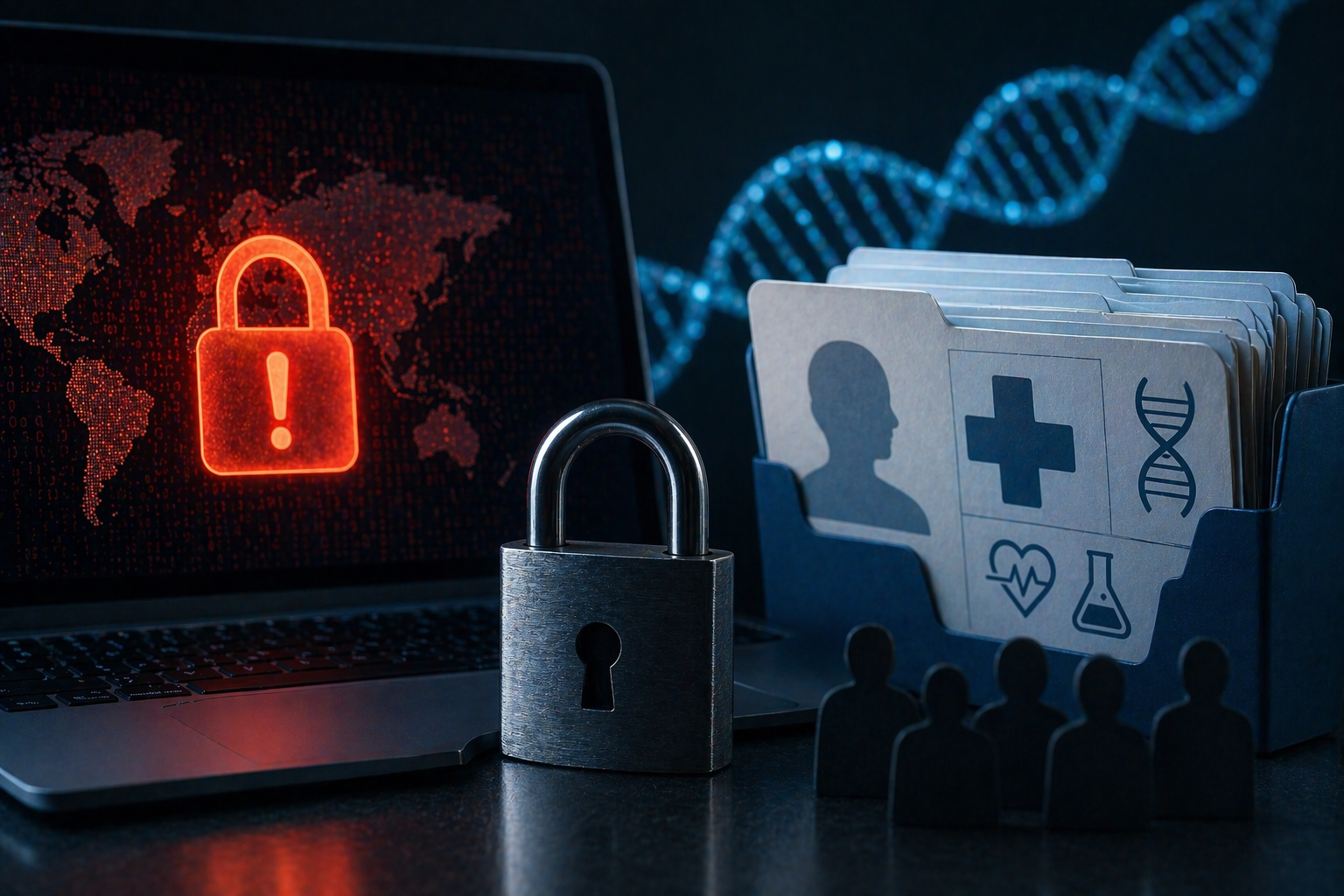
The data originated from the UK Biobank, a large-scale research project that collects genetic, biological, and lifestyle information from volunteers to support studies into diseases such as cancer, dementia, and heart conditions.
According to officials, the dataset appeared in multiple listings on platforms operated by Alibaba. The UK government confirmed that the information had been advertised by several sellers, raising alarm about how the data had been accessed and distributed.
While the exposed data did not include direct identifiers such as names, addresses, or phone numbers, it still contained sensitive details. These included gender, age, birth information, socioeconomic indicators, lifestyle habits, and measurements derived from biological samples. Authorities warned that even anonymized datasets can carry privacy risks, especially when combined with other data sources.
Investigations suggest the data was originally shared with researchers at three academic institutions under legitimate agreements. However, those institutions are now believed to be linked to the breach, and their access to the dataset has been revoked.
Both UK and Chinese authorities acted quickly to remove the listings, and officials stated there is no evidence that any data was actually purchased before being taken down. Despite this, the incident has been described as a serious breach of trust, particularly given the voluntary nature of participation in the Biobank project.
The case has also reignited concerns about the security of large-scale health databases. Previous reports indicated that Biobank data had been exposed online on multiple occasions, often due to researchers’ mishandling of datasets rather than direct cyberattacks.
In response, the organization has paused access to its platform, introduced stricter monitoring of data exports, and launched a full investigation. Additional safeguards are expected to limit how much data researchers can download and to detect suspicious activity more quickly.
The breach highlights a broader issue facing modern research systems: balancing open scientific collaboration with the need to tightly control highly sensitive personal data.