Mobile phones are facing a rise in cyber threats that target weaknesses in communication networks and device software. ANSSI, France’s national cybersecurity agency, has issued a warning that attackers are exploiting flaws in cellular networks, WiFi, Bluetooth and NFC to intercept data, install malicious software and track location. The alert notes that these threats affect people who use phones for personal communication as well as those who rely on them for work.
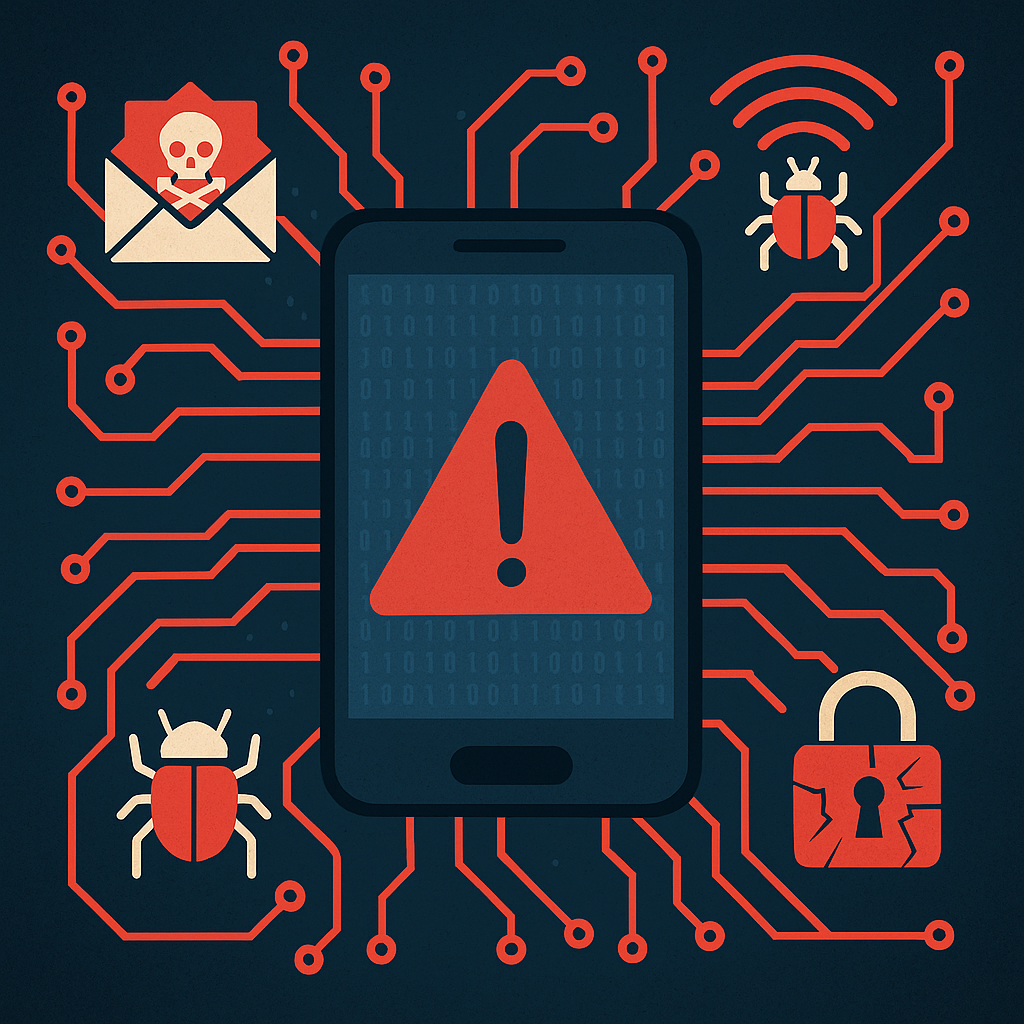
One of the threats described in the alert involves attacks that require no user interaction. These attacks take advantage of weaknesses in communication protocols and can compromise a device as soon as it receives a malicious signal or message. Once a device has been exploited, the attacker may gain access to messages, browsing data, call records or other personal information stored on the phone. Some attacks may allow installation of spyware that remains active for long periods of time.
Malicious applications remain a significant risk. Attackers create apps that appear legitimate but contain harmful code. After installation, these apps can collect sensitive data, monitor activity or gain access to accounts. Vulnerabilities within mobile operating systems also present opportunities for attackers when devices are not updated. Reports show an increase in cases in which malware has been installed on phones without the user realising the source of the infection.
Smartphones store large volumes of personal and professional information, which makes them appealing targets. Contacts, messages, account credentials and financial information are frequently kept on a device. When a phone is used to access work-related accounts, the risk extends to organisations. An attacker who gains access to such a device may attempt to reach internal company systems.
Authorities in France and the United Kingdom recommend that users limit exposure by turning off wireless features such as WiFi, Bluetooth and NFC when they are not needed. They also advise people to avoid public networks that are not trusted, to keep devices updated with the latest security patches and to install applications only from reputable sources. These steps reduce the number of avenues available to attackers who are attempting to reach a device.
For organisations that manage large numbers of mobile phones, additional protective tools may help reduce risk. Mobile threat defence software can identify suspicious behaviour on devices, monitor network activity and block attempts to install malicious software. Combined with device management settings and regular updates, these tools can strengthen overall security.
Users are encouraged to remain cautious when receiving links or attachments in messages. Unexpected prompts requesting permissions or access to sensitive data should be treated carefully. Using strong passcodes, enabling encryption and restricting app permissions can increase protection. Users who notice unusual activity on their device should seek support from a trusted security provider.
The shift in threat activity reflects the evolution of mobile phones into complex computing devices. Because modern smartphones connect to multiple networks and handle many types of data, attackers have more opportunities to find weaknesses. As the number of threats grows, proactive security steps become essential for both individuals and organisations.
The alert demonstrates that mobile phones are now subject to a wider range of cyber threats. Users who take steps to secure their devices can reduce the likelihood of compromise and limit the impact of attempted attacks.