

Security analysts have reported that cyber activity directed at the United States is shifting from isolated incidents to coordinated campaigns. The assessment states that attacks, which once focused on espionage or single system breaches, now appear to follow longer-term objectives. These include attempts to disrupt services, influence public confidence, or impose operational and financial costs. Analysts said that groups with state links treat cyber operations as an important component of geopolitical competition. They also noted that such activity often occurs below the threshold of actions that would trigger a conventional response.
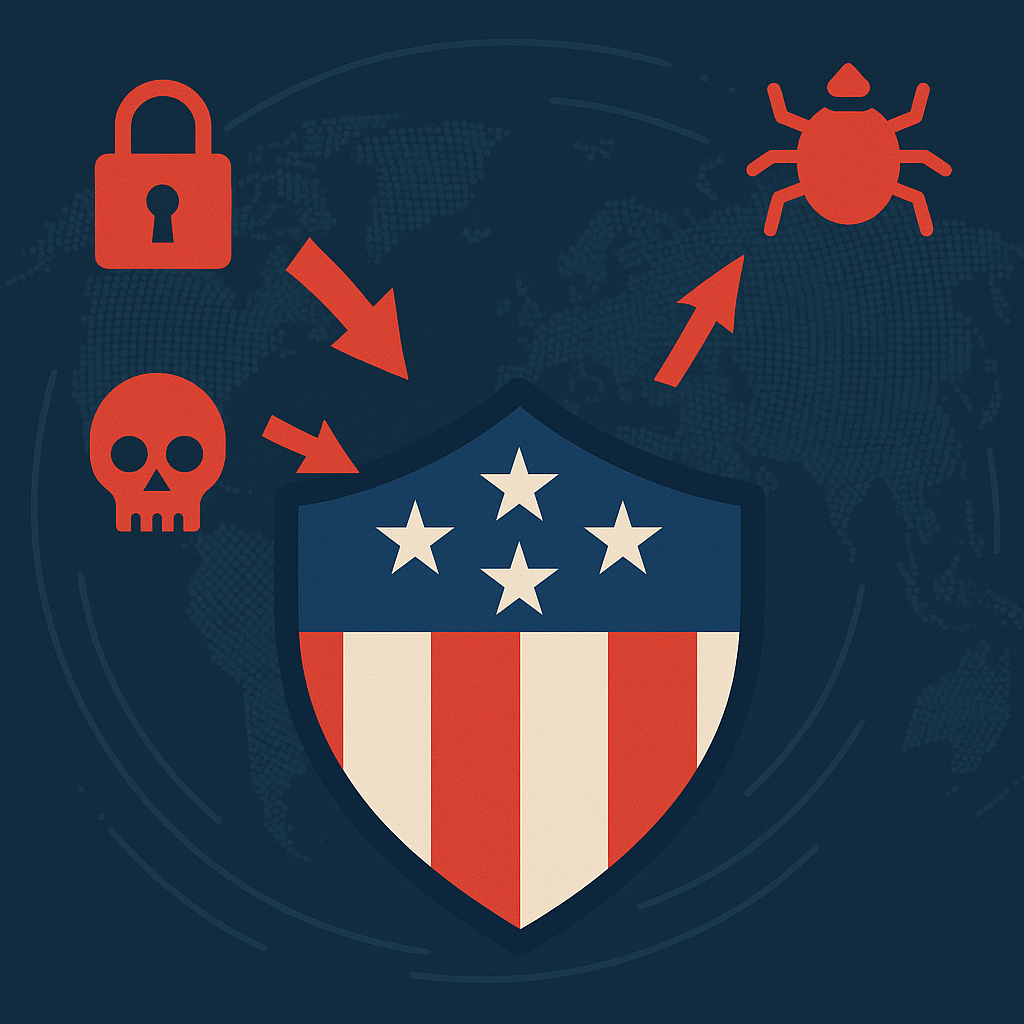
Researchers observed that cyber incidents affecting government agencies and services supporting national infrastructure increase during periods of geopolitical tension. They said this pattern suggests that some operations are timed to coincide with international developments that may amplify impact. Industry specialists noted that incidents recorded after such events often include targeted intrusion attempts, use of malware, and efforts to compromise supply chain partners. They said that these campaigns typically involve multiple stages, including reconnaissance, access acquisition, and data extraction.
Analysts highlighted that threat groups use a combination of tools to achieve their aims. These can include ransomware, information-stealing software, and methods intended to interfere with critical systems. Some campaigns seek to gather intelligence over extended periods while others aim to disrupt operations or erode trust in public institutions. Researchers said that increased use of automated and AI-enabled techniques has made these operations more adaptable and harder to detect at early stages.
Authorities have said that the scope of current threats requires close cooperation across government and industry. They encourage organisations to maintain up-to-date security controls and to share information about attempted intrusions. They also recommend regular review of supply chain security because coordinated campaigns often target smaller partners whose systems connect to larger networks. Analysts added that improving detection and response capabilities can reduce the effectiveness of long-running campaigns.
Security specialists emphasised that the evolving nature of these threats reflects changes in how hostile groups pursue strategic objectives. They said that sustained attention to network monitoring, incident reporting, and technical resilience remains essential. They added that organisations should assume that coordinated campaigns will continue and adapt their defences accordingly.