

“Are You Dead?” is a China-developed mobile app built around a basic check-in system for people who live alone. The app prompts users to confirm they are safe at set intervals and sends alerts if the user does not respond. It is designed for situations where someone may be unconscious, injured, or otherwise unable to contact others, and where a missed check-in could signal a need for follow-up.
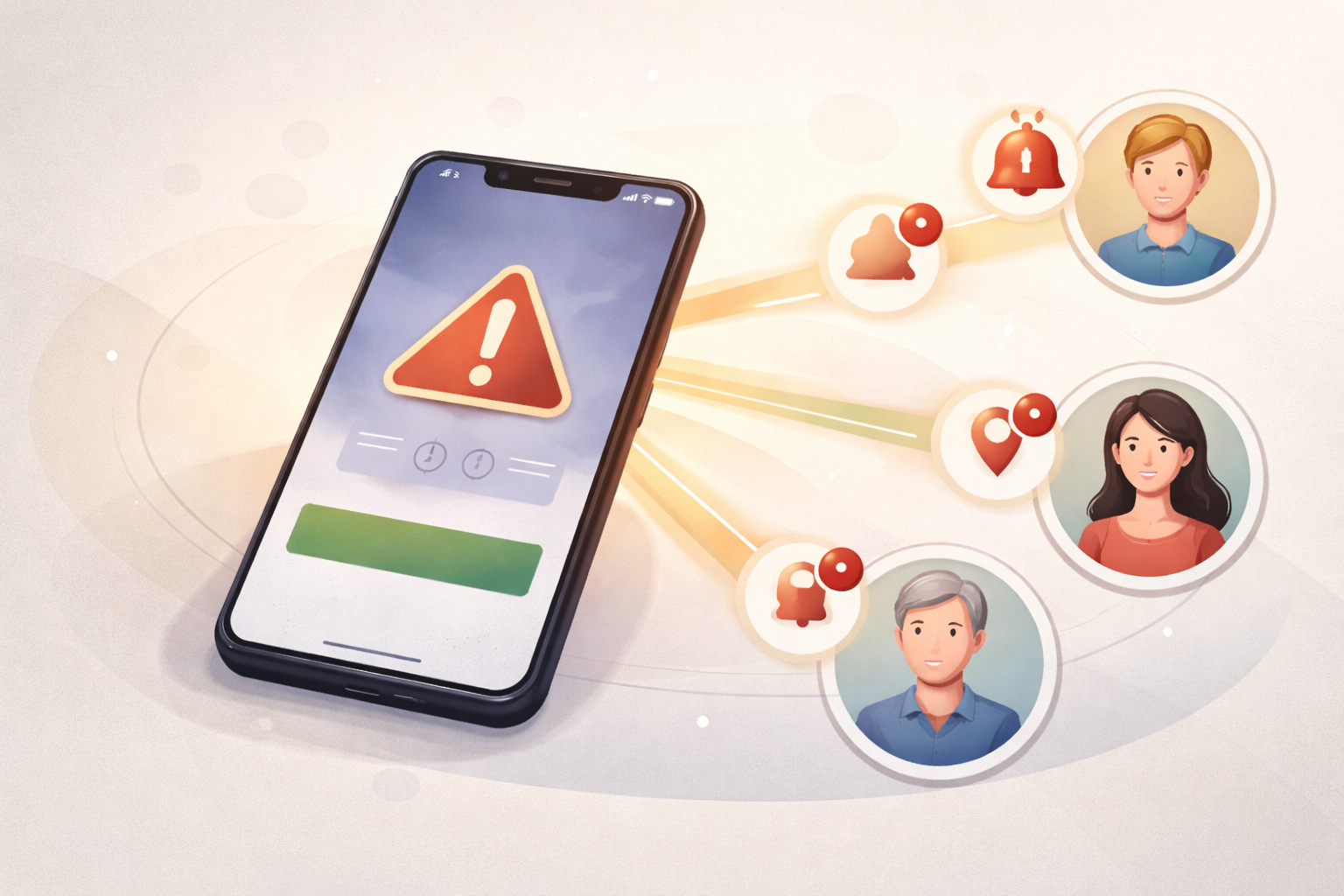
The app’s main feature is a timed prompt that requires the user to respond within a chosen window. If the user does not confirm, the app escalates by notifying trusted contacts selected in advance. The idea is to create an automated safety routine that does not rely on the user remembering to message friends or family, particularly during periods when they may be travelling, working alone, or managing health conditions.
Unlike wearable devices that rely on motion or fall detection sensors, “Are You Dead?” depends on the user’s ability to respond to a prompt. That makes it closer to a scheduled welfare check than a medical monitoring tool. It also means the system can produce false alarms if a phone runs out of battery, notifications are delayed, or the user misses a prompt for everyday reasons. The usefulness of the app depends on settings, reliable connectivity, and whether contacts are willing and able to respond quickly when an alert is triggered.
The concept reflects a wider trend in personal safety tools that try to automate decisions that would normally require human judgment. For people living alone, that can be appealing as a way to reduce the time between an incident and someone noticing something is wrong. At the same time, it raises questions about what happens when an app becomes part of emergency planning and whether users may place too much confidence in a tool that can fail in predictable ways.
Privacy is another concern because apps built around emergency alerts may require sensitive personal data to function as intended. A system that contacts trusted people may need names, phone numbers, and other identifiers. If it also allows users to store medical details or emergency notes, the information becomes more sensitive. Clear handling of data storage, access, and retention becomes central to whether such an app is appropriate for people who may already be vulnerable.
Even without a confirmed security incident, privacy risks can arise from vague data policies or broad permissions. Information shared for safety purposes can still be misused if it is stored insecurely, retained longer than expected, or shared beyond the intended emergency context. Users may also not realise how much information is being collected through settings, location services, or contact access, depending on how the app is configured.
“Are You Dead?” highlights an emerging category of apps that sit between personal safety and personal data. The idea of an automated check-in can be useful in principle, but it also depends on trust, transparency, and careful use. For people considering tools like this, the concept may be most effective when treated as a supplement to existing safety plans rather than a replacement for them.