

The Federal Bureau of Investigation issued a warning about an increase in virtual kidnapping scams that use fabricated photos and videos to pressure victims into making rapid ransom payments. The agency said criminal groups create false claims of abduction by collecting publicly available images from social media and other online sources. They then alter these images or combine them with unrelated material to produce photos or videos that appear to show a family member in distress. According to the FBI, the aim is to provoke fear and urgency before the target has time to verify the claim.
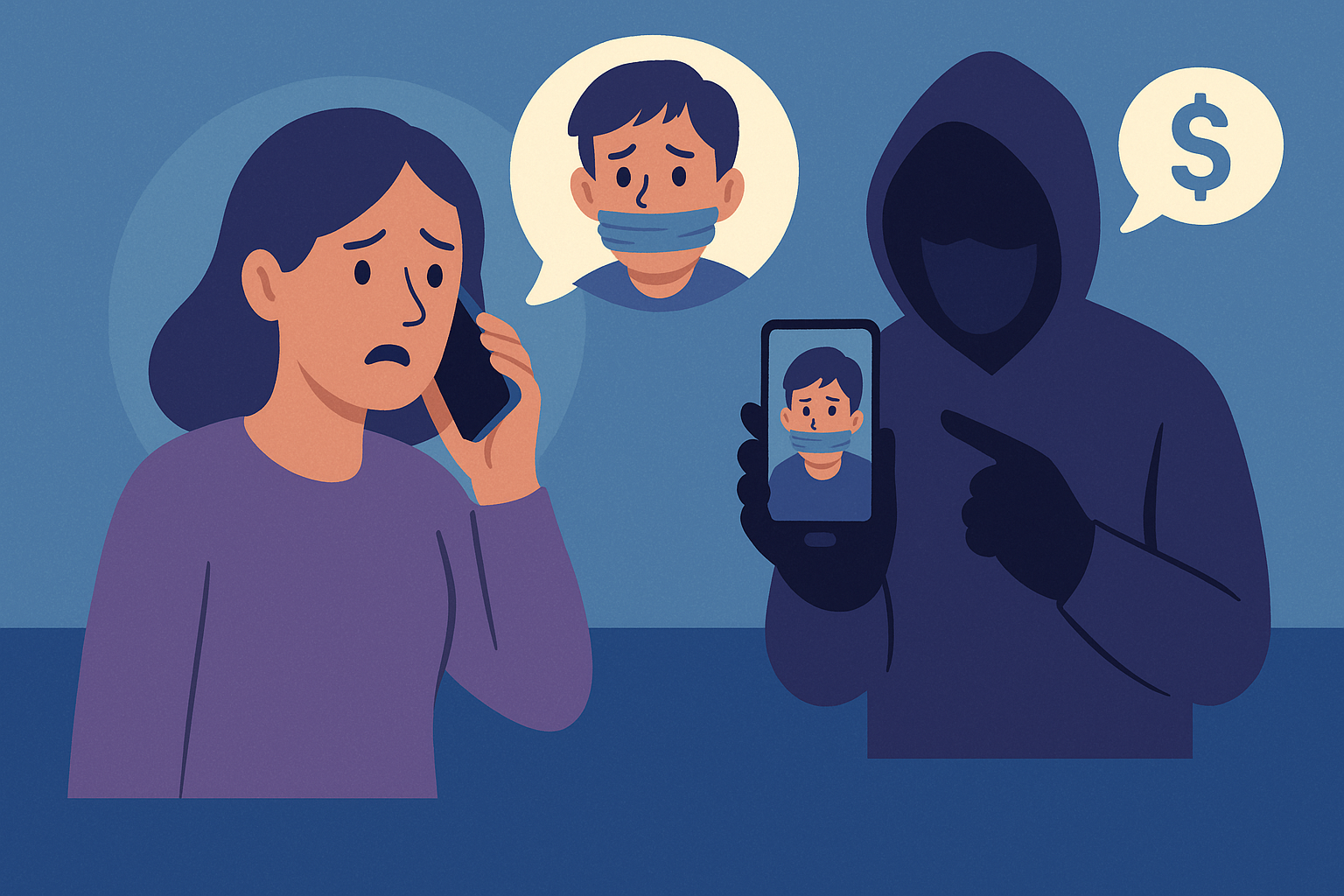
The FBI explained that the scam usually begins with an unexpected text message from an unknown number. The message states that a family member has been kidnapped and directs the recipient to comply with payment instructions. Soon after, the scammers send a photo or video that they claim is proof of the abduction. The agency said many targets accept the material as authentic because it includes the correct individual and can appear convincing. The FBI noted that the criminals often use emotional language and attempt to keep the target on the phone or messaging service to limit outside contact.
According to the warning, closer examination often reveals inconsistencies. These can include missing identifying features, such as scars or tattoos, or unnatural proportions within the image. Some videos appear disjointed or show lighting that does not match the environment described by the scammers. The FBI said criminals sometimes send the fabricated material in short-term messages to reduce the opportunity for detailed review. In many cases, there is no real abduction, and the person named in the message is safe. The scam relies on shock and speed rather than physical contact with the victim’s family.
The FBI urged the public to remain cautious when receiving unsolicited messages that demand money or claim to show a family member being held. The agency recommended attempting to contact the family member directly by phone or through another verified channel before responding to the message. It encouraged families to consider establishing a private code word that can be used during genuine emergencies. This approach can help confirm identity and reduce the risk of deception. The FBI also advised limiting the amount of personal information posted online, including photos of children, travel details, and content that identifies daily routines.
The FBI recommended that individuals who believe they have been targeted document all messages and media they receive. Screenshots, phone numbers, and payment instructions can assist investigators. The agency asked victims and potential victims to submit reports through the Internet Crime Complaint Center at IC3.gov. Reports should include a description of the incident, the method of contact, copies of the fabricated media, and any financial loss if payment was made. According to the FBI, these reports help identify criminal networks that operate across multiple states and countries.
The agency concluded that virtual kidnapping relies on psychological manipulation rather than physical abduction. It encouraged the public to remain calm, verify claims through independent contact, and report suspected scams promptly.