

Hong Kong authorities have introduced new rules enabling police to require individuals under national security investigation to provide passwords for electronic devices, including smartphones and computers. The changes are part of amendments to the implementation framework of the city’s National Security Law.
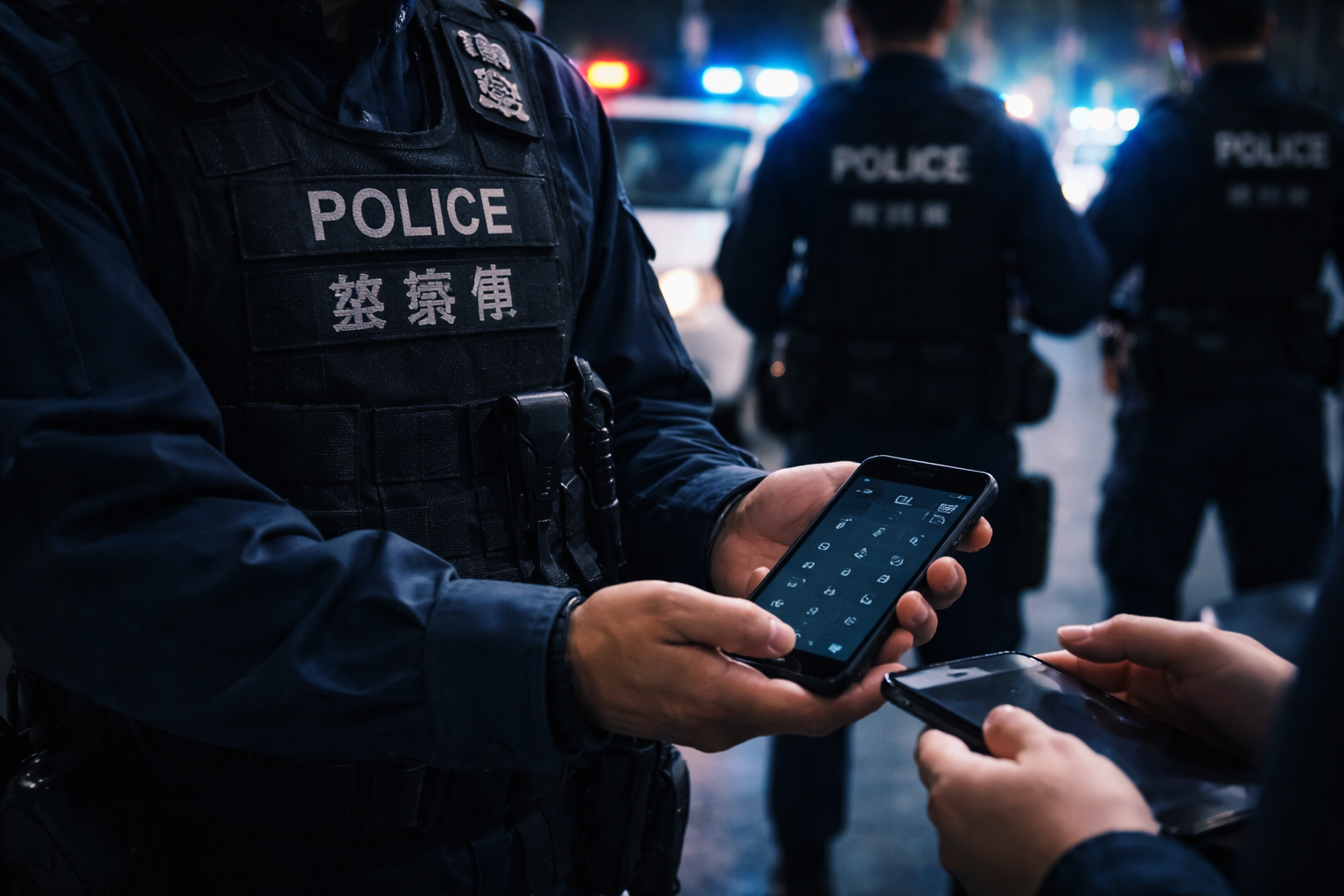
Under the updated rules, individuals must provide “any password or other decryption method” needed to access devices believed to contain relevant information. The requirement applies not only to suspects but also to people who own the devices, have access to them, or possess the necessary credentials.
Failure to comply can result in penalties of up to one year in prison and a fine of HK$100,000. Providing false or misleading information carries higher penalties, including up to three years’ imprisonment and fines of up to HK$500,000.
The amendments also allow authorities to compel third parties to assist in unlocking devices if they are believed to hold relevant access information. In addition, customs officers have been granted powers to seize items considered to have “seditious intention,” regardless of whether an arrest has been made.
Officials said the changes are intended to strengthen enforcement capabilities in cases involving national security. A government spokesperson stated that the rules are designed to prevent and address activities that may threaten security while maintaining protections for lawful activities and institutions.
The measures build on the broader National Security Law introduced in 2020 following large-scale protests in Hong Kong. The updated provisions extend enforcement tools available to authorities, particularly in relation to digital evidence stored on personal devices.
The law applies to cases involving alleged threats to national security and includes provisions that may extend to individuals connected to such investigations, including those acting on behalf of foreign organisations.