

Phishing remains one of the most persistent threats facing internet users today. It is a technique that relies on deception rather than technical exploitation and often targets individuals through communication channels they use every day. Attackers craft messages that appear legitimate and attempt to persuade recipients to reveal personal information, install malware or perform financial transactions. These messages exploit trust, curiosity or urgency to increase the chance of success. As online services expand across devices and platforms, the number of phishing attempts continues to grow.
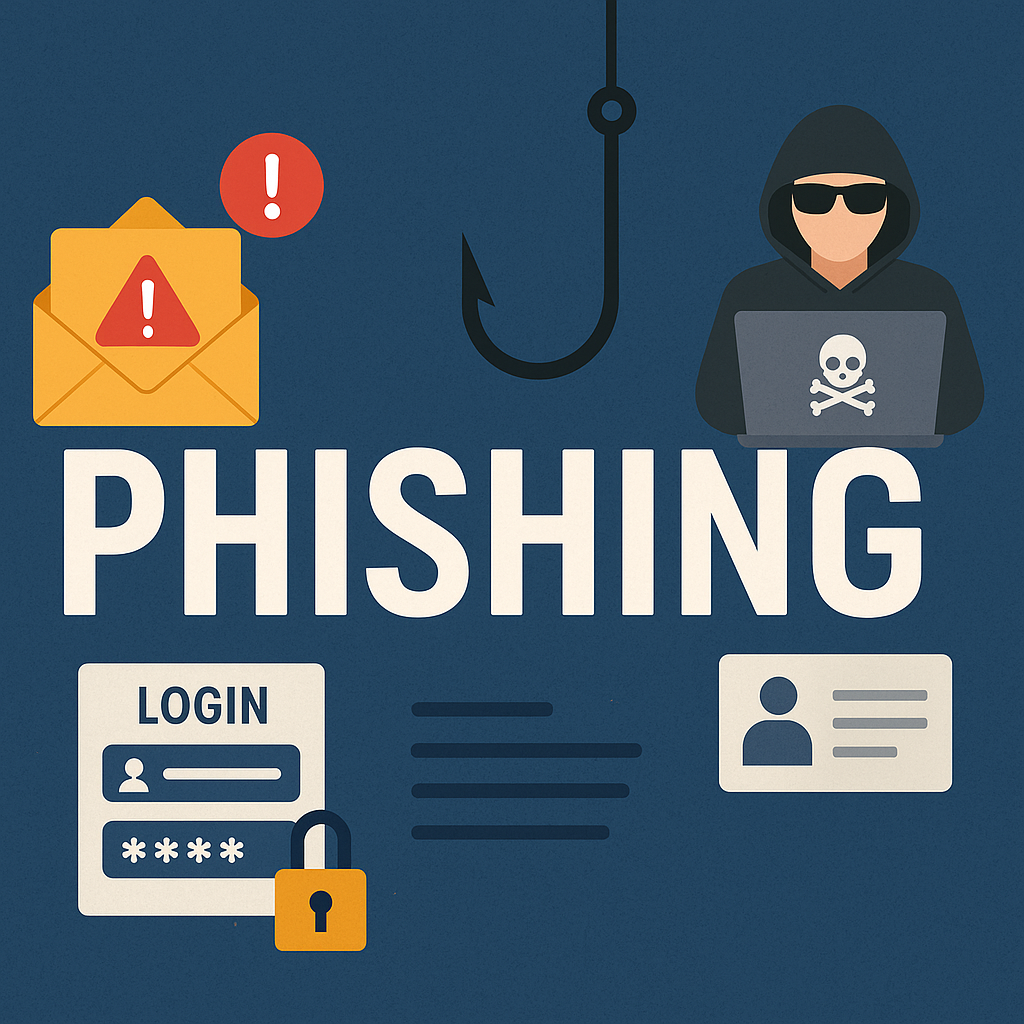
Although phishing has been part of the internet landscape for decades, it has evolved significantly. Early attempts relied on poorly written emails that were easy to identify. Modern phishing campaigns use professional design, brand imitation and detailed personal information taken from public sources. Attackers now combine email, messaging applications, search engines and social platforms to reach a wider audience. This shift has made phishing one of the most adaptable forms of cybercrime. Users must now evaluate a wide variety of communication methods to determine what is genuine.
The global nature of phishing makes it difficult to measure. Security researchers track millions of attempts each day and note that new campaigns often appear within hours of major news events. Criminal groups take advantage of public interest, financial stress and widespread technology adoption to increase effectiveness. Phishing kits and tutorials are readily available on underground markets, making it easy for inexperienced attackers to launch campaigns. As a result, even individuals who do not consider themselves likely targets may still be affected by broad distribution tactics.
At the core of phishing is social engineering. This refers to the process of manipulating a person into taking an action they would normally avoid. Instead of breaking through a security system, attackers simply ask for access and rely on human error. As long as phishing continues to offer a low-cost and high-reward method for criminals, it will remain a central component of online fraud. Understanding how it works is the first step toward reducing its impact.
Examples of common phishing scenarios
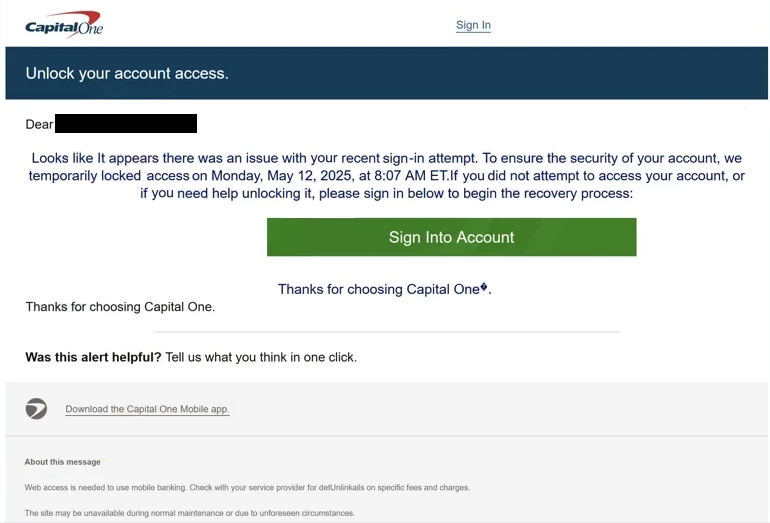
Phishing attempts appear in many different forms and often vary based on the attacker’s goal. One widely used approach involves email messages that imitate financial institutions. These emails may claim that a bank account has been locked or that a suspicious transaction requires immediate review. The message includes a link that appears legitimate but directs the user to a fraudulent website designed to capture login information. Attackers can then use the stolen credentials for unauthorised access or resale.
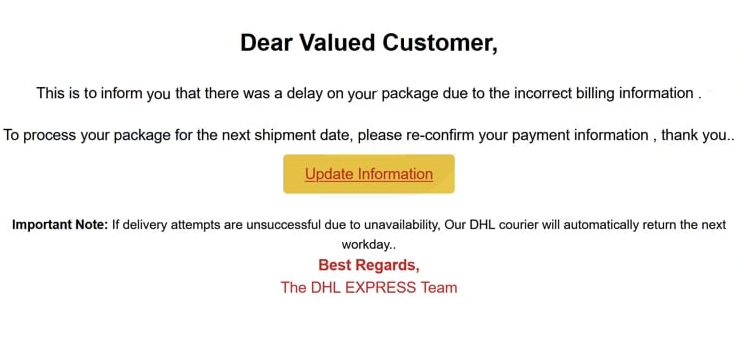
Another frequent scenario involves package delivery notifications. Criminals send messages claiming that a parcel cannot be delivered without updated address information or additional payment. These messages often look convincing because they use logos and templates copied from well-known delivery companies. When users click the link, they are asked to provide personal information or download a file containing malware. Because online shopping is so common, these attempts target a broad audience and may reach users who expect legitimate deliveries.
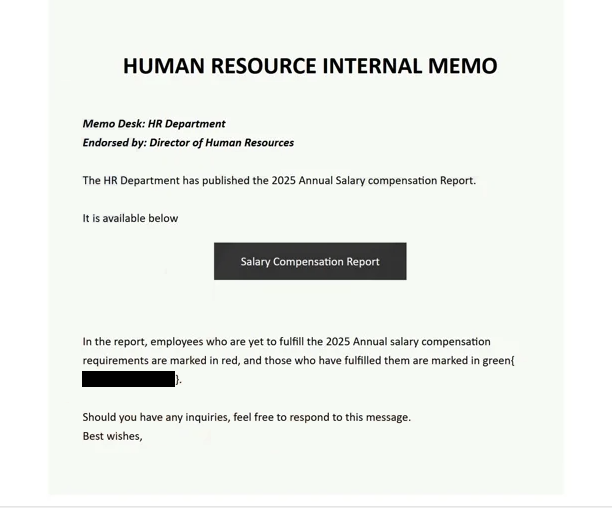
Corporate phishing is also a significant concern. Attackers often impersonate human resources teams, senior executives or technical support personnel. These messages typically request payroll updates, password resets or access approval for internal systems. Employees who receive these emails may respond quickly due to workplace expectations, which can increase the risk of compromise. Some campaigns target multiple employees in a single organisation in the hope that one will respond.
Phishing can also appear in messaging applications and social networks. Attackers may contact users posing as friends or colleagues and ask for financial help or personal information. These messages often claim the sender has a new phone number or has lost access to an account. In other cases, phishing links are placed in public posts or comments to reach a wider audience. This approach takes advantage of the casual nature of messaging platforms, where users may be less cautious.
A growing category involves search engine deception. Attackers purchase advertisements that lead users to fraudulent websites that imitate legitimate services. For example, a search for technical support may return a sponsored result that directs the user to a fake help desk page. Once the user visits the site, they may be asked to install remote access tools or pay unnecessary service fees. These attempts succeed because users believe search engines filter out harmful content.
How to recognise phishing attempts in everyday communication
Recognising phishing requires careful attention to detail. One of the most reliable indicators is the sender’s address. Attackers often use domains that look similar to legitimate ones but contain subtle errors, such as extra characters or unusual spellings. Users should check the full address rather than relying on the display name alone. If the sender is unfamiliar or unexpected, the message deserves closer examination.
Tone and wording provide additional clues. Phishing messages frequently rely on urgency, fear or financial pressure to prompt immediate action. Phrases that urge users to act quickly or face negative consequences should be treated carefully. Legitimate organisations rarely demand instant responses or threaten account closure without prior notice. Messages containing grammatical errors or inconsistent formatting can also signal a fraudulent source.
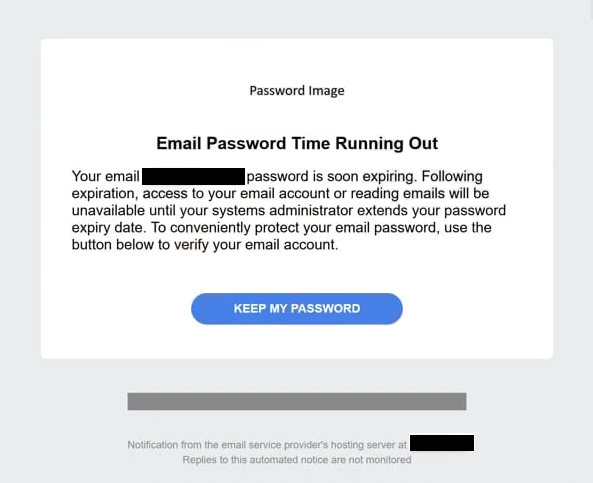
Links are another critical element to review. Users should hover over a link to see the destination before clicking. If the URL looks unusual or does not match the organisation’s official site, it is safer to avoid interacting with it. Attackers sometimes use shortened links to hide the true destination. When in doubt, users should manually type the website address into a browser rather than clicking through the message.
Attachments present serious risks because they may contain malware. Files that claim to provide invoices, delivery details or urgent documents should be approached with caution. Users should avoid opening attachments from unknown sources or from unexpected senders. Even familiar contacts can have compromised accounts, so it is important to confirm the legitimacy of the message if something feels inconsistent.
Phishing can also be identified by examining requests for information. Messages that ask for passwords, financial details or personal identifiers are often suspicious. Reputable companies do not request sensitive information through email or messaging platforms. If the message directs the user to log in through an unfamiliar page, the safest option is to visit the official website directly to check for notifications.
Steps users can take to reduce phishing risks
While phishing attempts cannot be eliminated entirely, individuals can take practical steps to reduce their exposure. The most effective protection is maintaining caution when receiving unexpected messages. Users should pause before clicking links or responding to requests for information. This brief moment of reflection can prevent many common attacks. Establishing a routine of verifying senders and checking URLs can significantly reduce risk.
Multi-factor authentication offers added protection when credentials are stolen. Even if attackers capture a password, they will not be able to access the account without the additional verification step. Users should enable this feature on banking apps, social platforms, email accounts and any service that stores personal information. This creates an extra layer of defence that does not rely solely on password strength.
Regular software updates also play an important role. Updates often contain security patches that address vulnerabilities exploited by attackers. Keeping operating systems, browsers, and security tools current reduces the chance that phishing attempts will install malware or exploit older software. Users should enable automatic updates where possible to ensure continuous protection.
Using reputable security tools can help detect malicious links and attachments. Many email providers offer built-in filtering systems that block common phishing templates. Antivirus programs can scan downloads and alert users to suspicious activity. While no tool is perfect, these measures add valuable support for identifying harmful content.
Individuals should also establish clear communication habits with friends, family and colleagues. If someone receives a message that appears unusual, they should confirm its legitimacy through a separate channel. This prevents attackers from exploiting trusted relationships. Talking openly about phishing attempts helps build awareness and encourages others to adopt safer practices.
Finally, users should monitor financial statements and account activity. Early detection of unauthorised transactions allows for faster response and reduces potential damage. Many institutions offer alerts for login attempts or changes to account details. These notifications provide timely warning signs if credentials have been compromised.
Building long-term resilience against phishing
Phishing persists because it targets human behaviour rather than technical systems. As long as attackers benefit from deception, they will continue to refine their methods. Users can counter this trend by maintaining awareness, adopting secure habits and making informed decisions about online communication. Understanding how phishing works and recognising its patterns empowers individuals to protect themselves.
Organisations and individuals share responsibility for improving resilience. Companies can offer training, implement secure authentication practices and maintain clear communication channels for reporting suspicious messages. Individuals can practise careful evaluation of emails and links, protect their accounts with additional verification layers and seek information when something looks unusual.
While phishing cannot be eliminated entirely, its impact can be reduced through consistent attention and practical safeguards. The combination of awareness, verification and secure technology forms an effective defence. By building these habits, users can navigate digital environments with greater confidence and lower risk.