

Slovenia’s government is preparing draft legislation that would prohibit children under 15 from accessing social media platforms, joining a growing number of European countries that have recently proposed or adopted age-based restrictions. Deputy Prime Minister Matej Arcon said the Education Ministry initiated the move and that experts in digital technology and education will contribute to drafting the law. The proposal was informed by similar debates and measures in other countries that aim to protect young users online.
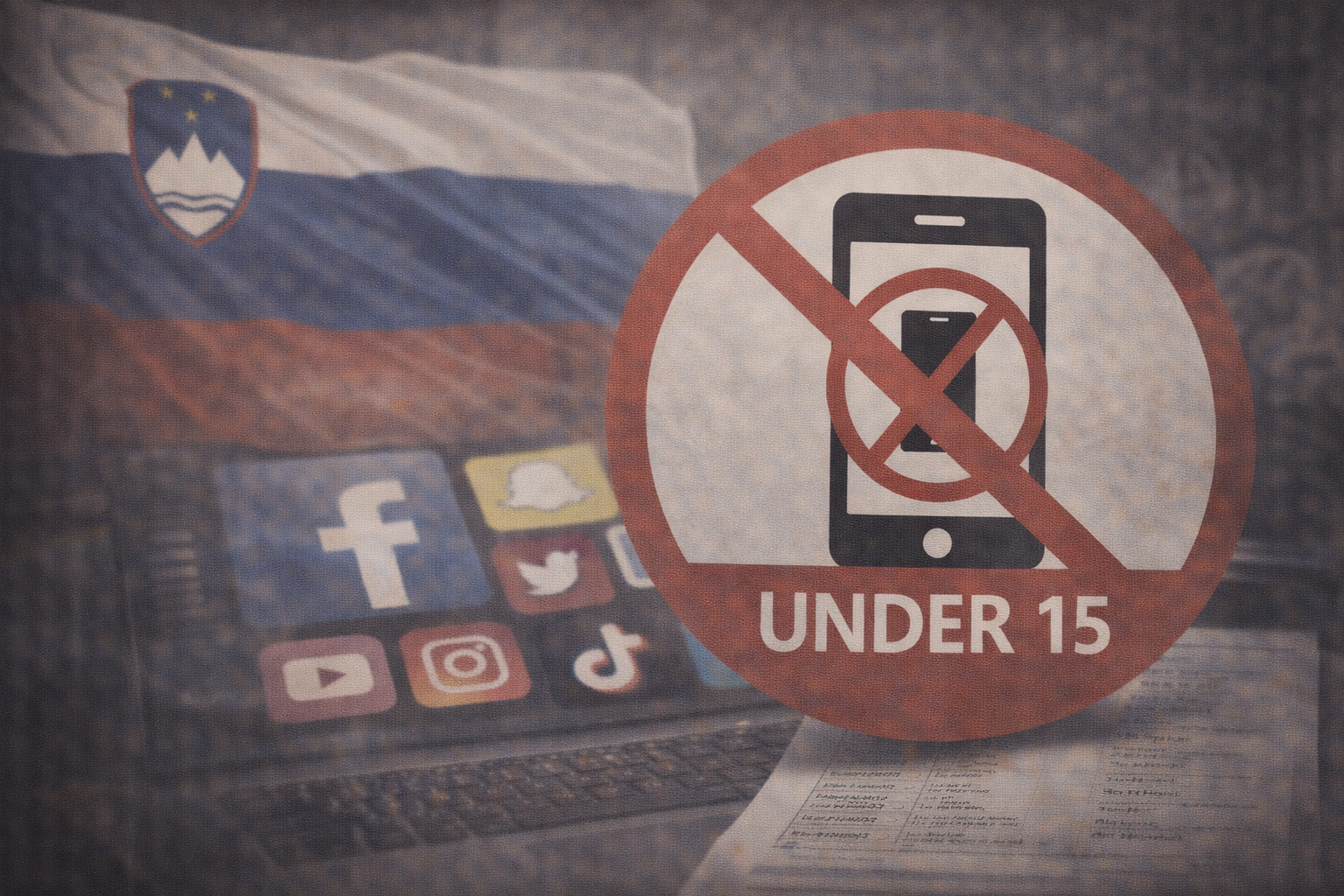
Under the planned rules, operators of social networking services would be required to block access for users younger than 15 or face regulatory penalties, though detailed enforcement mechanisms have not yet been published. Arcon said the government wants to regulate platforms where content is shared, mentioning services where younger children are active. Officials said the draft aims to address concerns over social media’s impact on adolescent well-being and to establish clearer legal standards for youth online engagement.
Slovenia follows recent steps by other European nations. Governments in Spain and Greece have announced or are advancing proposals to ban social media for those under 16 and under 15, respectively, motivated by concerns about mental health and harmful content exposure. Other countries, such as France and Britain, are also considering stricter regulations on minors’ access to online services. The trend reflects a broader focus in Europe on enhancing protections for children’s online safety.
Government officials in Slovenia said consultations with stakeholders, including technology companies and child welfare advocates, are ongoing as the draft takes shape. The discussions include how best to verify users’ ages and prevent evasion of age limits, which has been identified as a challenge in other jurisdictions considering similar rules. Critics of age-based bans argue that robust age screening can be technically complex and raise privacy concerns, while supporters say clear legal standards are needed to reinforce parental controls and reduce early exposure to addictive platform design.
No final text of the proposed law has been made public, and a timeline for parliamentary debate or enactment has not been announced. Slovenia’s move is part of an emerging pattern across Europe in 2026 of policymakers exploring legal limits on children’s use of social media platforms in response to ongoing concerns about youth wellbeing and online harms.