

US President Donald Trump has granted a full and unconditional pardon to Changpeng “CZ” Zhao, the founder of the world’s biggest cryptocurrency exchange, Binance. The move, announced in October 2025, comes after Zhao pleaded guilty in late 2023 to failing to maintain an adequate anti-money-laundering program at Binance and later served about four months in prison. The exchange itself paid roughly $4.3 billion in penalties as part of the same case.
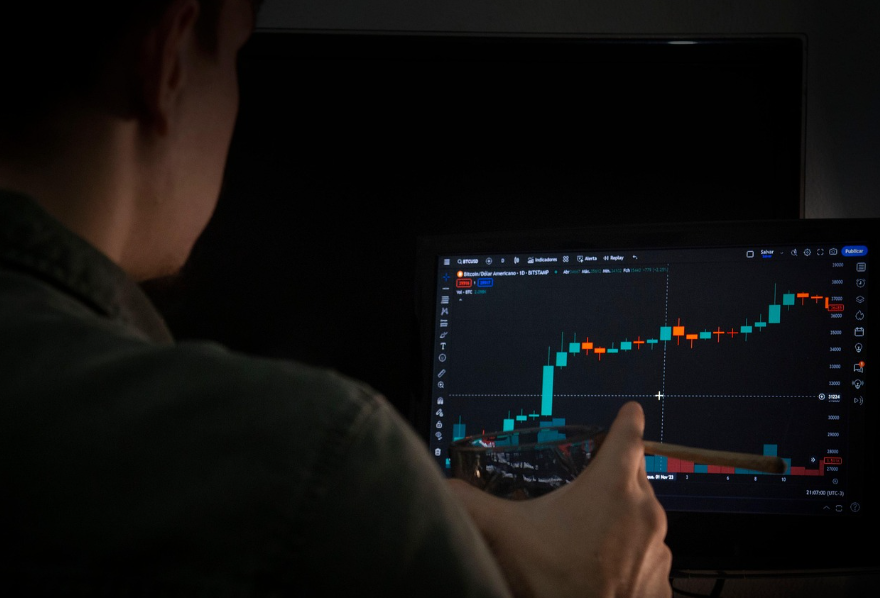
Zhao’s pardon means that the conviction will be wiped off his federal record, eliminating the criminal stain that once defined his public profile. For many in the cryptocurrency community, the decision signals a significant shift in how the U.S. government views cryptocurrency regulation and who it protects. For critics, it raises serious concerns about fairness, oversight, and potential conflicts of interest.
In November 2023, Zhao admitted to violating the Bank Secrecy Act by failing to guard against illicit transactions adequately. The company had been accused of allowing trades linked to terrorist organisations, drug trafficking, and child abuse materials.
After pleading guilty, Zhao stepped down as CEO, paid a personal criminal fine (reported at around $50 million), and served time in prison. Still, supporters argue that the sentence was disproportionate and that he had become a symbol of regulatory overreach against the crypto industry. In the White House’s justification, the pardon was framed as a correction of what they called an “unfair targeting” of the crypto sector under the previous administration.
Meanwhile, Zhao and Binance had strong ties to the Trump-aligned crypto ecosystem. Media reports noted that Binance engaged in arrangements connected with the Trump family’s crypto ventures and that the exchange had accepted a partner’s stablecoin linked to Trump initiatives. These links are now under greater scrutiny, given the timing of the pardon.
At first glance, the pardon addresses an individual’s legal history. But the broader repercussions stretch across the entire cryptocurrency industry, regulatory frameworks, and investor trust.
For Binance and other crypto firms, the pardon could open doors. Less regulatory pressure, potential reconsideration of U.S. operations, and a signal that Washington may favour growth over enforcement. Some analysts anticipate that Binance’s previously restricted access to U.S. markets might change, depending on how agencies respond.
On the regulatory front, the decision fuels debate. Financial crime enforcement experts argue that pardoning someone found guilty of facilitating illicit money flows sends a troubling message: compliance rules may not be applied equally. U.S. Treasury officials have previously warned that Binance allowed transactions tied to sanctioned entities and international criminal networks.
For the crypto community, the pardon acts as a wildcard. Some view it as liberation from heavy-handed regulation and legal risk. Others worry it undermines the rule of law and may embolden bad actors. Either way, it marks a turning point where politics, finance, and technology collide.
While the pardon is official, many questions remain unanswered. What exactly will this mean for Zhao’s business involvement, if any, in the future of Binance? Could he return to any leadership role, or will restrictions still apply? How will U.S. regulators respond to Binance’s next steps?
There is also the matter of trust. Victims of illicit use of platforms such as Binance may view the pardon as a denial of accountability. Will this affect how institutions view crypto regulation or how investors view the safety of exchanges? Furthermore, the timing, amid this administration’s pro-crypto stance, adds layers of political complexity.
Finally, the fallout is not just U.S.-centric. Global regulators, foreign investors, and crypto users in other jurisdictions will watch closely. If one of the most prominent figures in crypto is pardoned, it may shape how governments around the world approach cryptocurrency enforcement, compliance, and platform oversight.