

Lawmakers in Wisconsin and Michigan are considering bills that would restrict access to virtual private networks (VPNs) in an effort to prevent minors from bypassing age verification systems on websites that host sexual content. The Wisconsin proposal requires these websites to verify a user’s age and block access for anyone connecting through a VPN. The bill has passed the State Assembly and is currently under review in the Senate. The Michigan proposal takes a different approach by placing responsibility on internet service providers, which would be required to detect and block VPN traffic linked to adult content. That bill has not advanced.
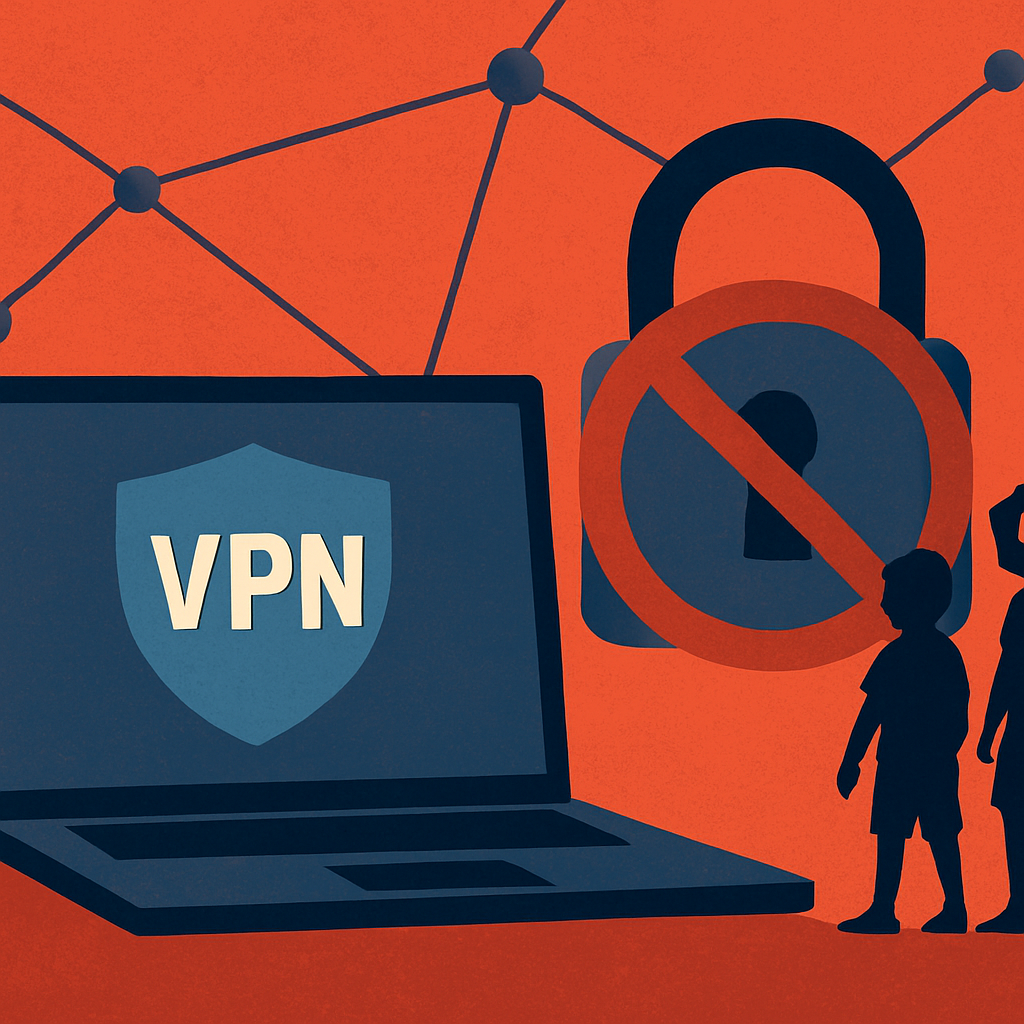
Supporters of the legislation argue that minors can easily activate a VPN to avoid age verification. They say VPN restrictions would close that gap and give state-level age limits more practical impact. The bills follow similar efforts in other states that require online platforms to confirm a user’s identity before allowing access to sexual content. Advocates for stricter controls believe the current systems do not work reliably because they can be bypassed by tools that obscure location or network origin.
Digital rights groups have raised concerns about both proposals. The Electronic Frontier Foundation states that blocking VPNs would undermine online privacy for millions of people who rely on these tools for everyday activities. Students and employees often use VPNs to access campus systems and corporate networks. Journalists, political activists, and domestic violence survivors use them to protect their locations and communications. The organisation warns that creating systems to identify and restrict VPN traffic could lead to increased monitoring of internet use and reduce personal security.
Technical specialists also question the feasibility of these bills. VPN services use a wide range of technologies to disguise traffic patterns, which makes reliable detection difficult. Attempts to block VPNs often result in legitimate users being denied access to ordinary websites or work systems. This can disrupt business operations and create new security risks. Experts note that efforts to limit VPN use in other countries have produced mixed results and have required significant monitoring of network activity.
Both state proposals highlight a growing national debate over how to balance child safety and digital privacy. Many privacy advocates argue that more effective solutions may include education programs, improved parental controls, and clearer guidance for platforms that host sensitive content. They believe broad restrictions on privacy tools could have consequences that reach far beyond the issue they aim to address.