

Global traffic to major online adult content sites has declined while use of virtual private networks has increased, according to an internet analytics report. The analysis found that overall visits to widely known platforms for adult content dropped in recent months. In contrast, demand for VPN services rose steadily over the same period. The trends suggest changing user behaviour and evolving privacy preferences in online activity.
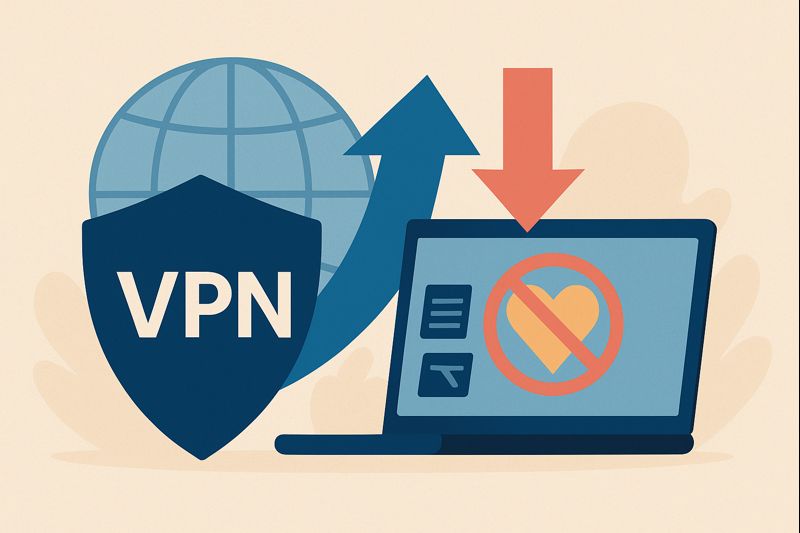
The report indicated that traffic to major adult content sites decreased by a notable margin compared with the same period in the previous year. Analysts said that shifts in online behaviour, increased public discussion about digital wellbeing and greater use of alternative entertainment platforms may contribute to lower direct access. The decline was measured across multiple leading sites that collectively account for a large share of global adult content visits.
At the same time, the analysis found a rise in VPN use across multiple regions. VPN services create encrypted connections that mask users’ internet activity and can offer access to geographically restricted websites. The increase in VPN demand was observed in North America, Europe and parts of Asia. Analysts stated that a range of factors may influence this rise, including concerns about online privacy, changing attitudes towards content consumption and an increased focus on personal data security.
Industry specialists noted that the two trends may be related. They said that users concerned about privacy or the tracking of their online behaviour may choose to route traffic through a VPN rather than access sites directly. A VPN can obscure the location and identity of a user from websites and internet service providers. This capability may be attractive not only to users who prefer to keep their content private but also to individuals seeking general internet security.
VPN providers reported increased interest in their services and offered insight into user motivations. Some noted that privacy concerns extend beyond specific categories of content to general fears about third-party tracking and data collection practices. Others said that remote work and the need to access restricted services while travelling may contribute to higher adoption of VPN tools.
The report also highlighted regional differences in usage patterns. In some areas where adult content access is subject to legal or cultural restrictions, VPN use was especially high. Analysts said that in these markets, users may rely on VPNs to access a broader range of internet services that would otherwise be unavailable. However, they added that the general increase in VPN adoption is observed even in regions without such restrictions.
Experts cautioned that a decline in direct site visits does not necessarily mean reduced overall consumption of adult content. They said that some users may turn to platforms not included in the analysis or adopt different methods to access material. Similarly, they warned that VPN technology can be used for legitimate purposes as well as to circumvent regional limits. Users were urged to understand local laws related to digital content and to consider the security implications of using third-party tools.