

German lawmakers and government officials have been warned that their iPhones may have been targeted by sophisticated surveillance software capable of accessing private communications without the device owner’s knowledge. The warnings have prompted an investigation by Germany’s cybersecurity authorities, although officials have not confirmed how many devices were successfully compromised.
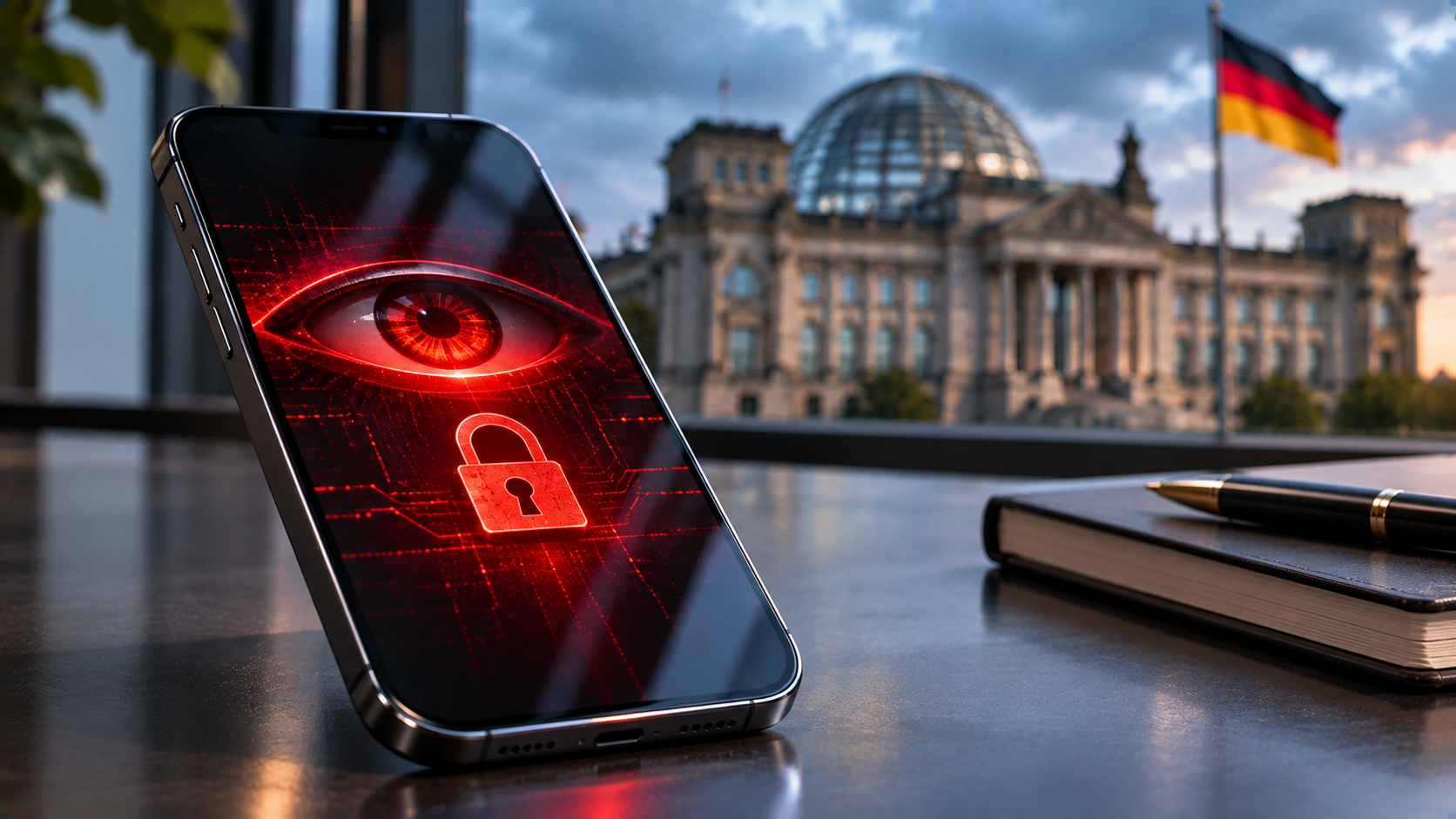
Apple began sending threat notifications on October 29, 2026, to members of the Bundestag and other prominent individuals. The alerts indicated that the recipients may have been targeted by mercenary spyware, a category of commercially developed surveillance tools frequently associated with intelligence operations.
Germany’s digital minister, Karsten Wildberger, confirmed the situation publicly on November 1. He said the Federal Office for Information Security (BSI) had responded quickly and contacted those who received the warnings. The agency advised recipients to treat their devices as potentially compromised while investigations continue.
The suspected attacks are particularly concerning because advanced spyware can exploit vulnerabilities that require no interaction from the victim. These techniques, known as zero-click attacks, may allow a device to be compromised without someone opening an attachment, visiting a malicious website, or clicking a link.
Once installed, surveillance software of this kind can potentially collect messages, call information, contacts, calendar entries, and location data. Some spyware can also access files or activate a phone’s microphone and camera. However, German authorities have not established whether any of these capabilities were successfully used against the individuals who received Apple’s warnings.
The identity of the spyware involved remains unknown. Pegasus, developed by Israel’s NSO Group, is a well-known example of commercial surveillance software, but there is no confirmed connection between Pegasus and the latest German incident.
Apple issues threat notifications when its security systems identify signs that an individual has been specifically targeted by sophisticated spyware. Such warnings indicate suspected targeting rather than definitive proof that attackers gained access to the device.
The alerts were not limited to Germany. According to TechCrunch, Apple also notified individuals elsewhere, with one recipient reporting that the latest notification campaign covered users in 99 countries. The number of affected devices worldwide has not been established.
German government spokesperson Stefan Kornelius said authorities were investigating the incident and supporting those potentially affected. Officials have not identified the attackers, disclosed the total number of targeted politicians, or confirmed whether Chancellor Friedrich Merz received a warning.