

A privacy lawsuit against Meta over recordings captured by its AI-powered smart glasses has expanded to cover people who were allegedly filmed or recorded without their knowledge.
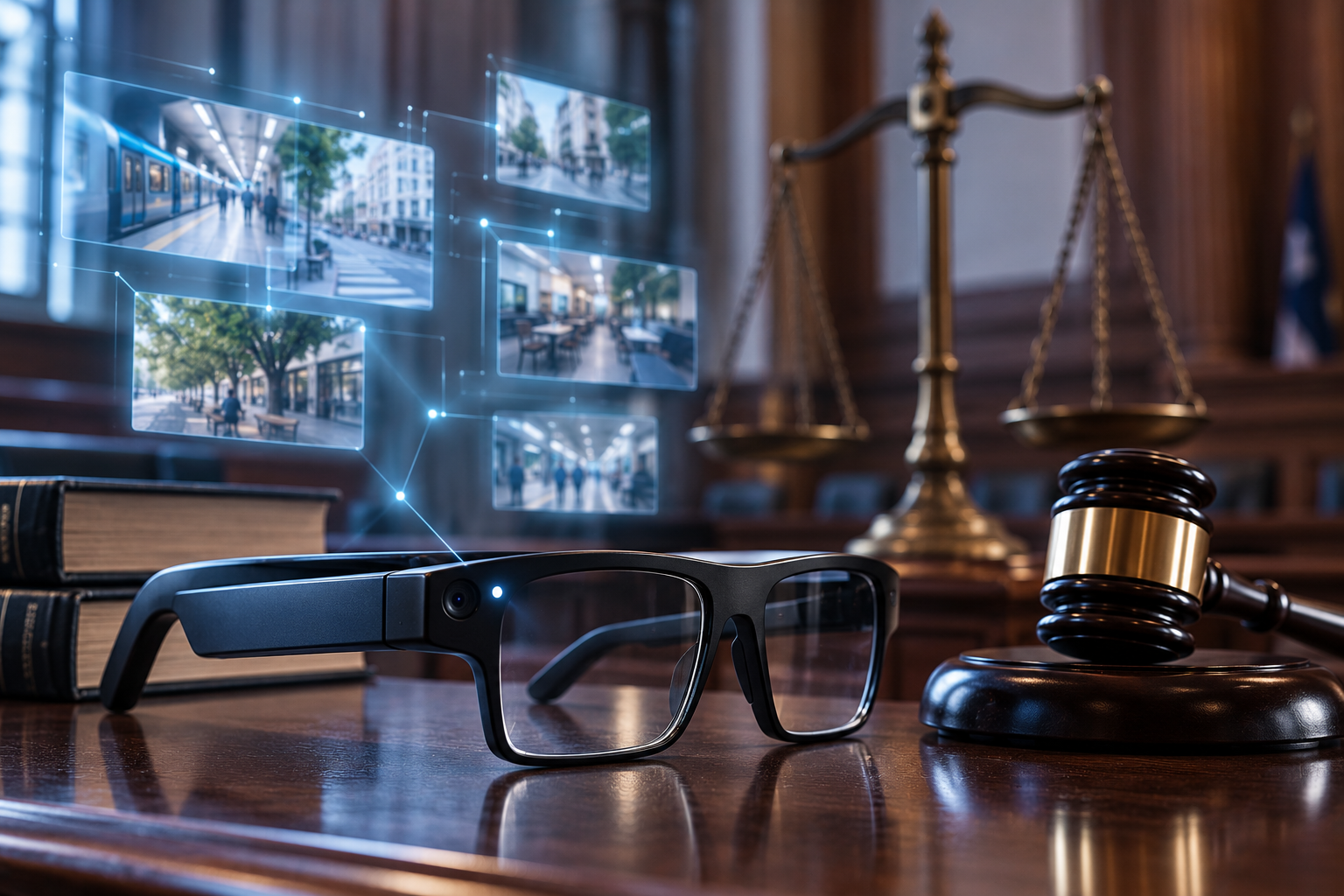
The case followed a February 2026 investigation by Swedish media outlets that examined how recordings from Meta’s smart glasses were handled after being uploaded for processing. The investigation involved data annotation workers employed by Sama in Kenya, a contractor that performed work for Meta. Workers described reviewing footage recorded through the glasses, including material involving private situations and sensitive personal information.
The revelations raised questions about whether people appearing in recordings understood that footage could leave the device and potentially be viewed by human reviewers. While owners of the glasses interact directly with Meta and its terms, bystanders captured by the camera have no comparable relationship with the company.
A proposed class action was subsequently filed against Meta in federal court in California in March 2026. The original lawsuit focused largely on people who purchased and used the glasses, alleging that Meta failed to adequately disclose how recordings could be collected, processed, and reviewed.
An amended complaint filed on August 31st significantly broadens the case. The plaintiffs now argue that the alleged privacy implications also apply to anyone captured by someone else’s Meta glasses.
According to the complaint, video and audio recorded through the devices can be transferred to Meta’s servers when AI functionality is used. The plaintiffs allege that some of this material was later reviewed and labeled by third-party contractors and used to improve or train Meta’s artificial intelligence systems.
The lawsuit argues that bystanders have little practical ability to understand what happens to their information. Even when someone recognizes that smart glasses contain a camera, they may not know whether a recording will be uploaded, stored, analyzed, or potentially viewed by another person.
The amended complaint says this issue can affect more than strangers encountered in public. Recordings could capture partners, relatives, children, friends, and other people who spend time around someone wearing the glasses.
Meta disputes the allegations and intends to fight the lawsuit. The company acknowledges that information associated with interactions with Meta AI may be reviewed to improve its products and user experience, while saying it uses measures intended to filter data and reduce identifying information.
The glasses also feature an LED designed to signal when the camera is recording. Meta has implemented protections intended to disable camera functionality if the indicator is covered or tampered with.
However, the lawsuit is not limited to whether people can tell that a camera is active. Its central dispute concerns what happens to recordings after they are captured and whether people appearing in that material received adequate information about potential processing, human review, and use for AI development.