

A cyberattack targeting German defense technology company Quantum Systems disrupted military drone operations after malicious software was reportedly introduced into a system used to distribute updates. The incident prompted Germany’s armed forces to temporarily ground the manufacturer’s drones and prevented the company from participating in a recent military exercise.
The disruption began after Quantum Systems detected suspicious activity in late October 2026. An internal investigation identified an active intrusion, prompting the company to involve cybersecurity specialists and notify German authorities.
According to reports citing sources familiar with the investigation, attackers compromised infrastructure responsible for distributing updates to QBase, the manufacturer’s ground-control and mission-planning software. A malicious update file was reportedly delivered through the affected server, raising concerns about the integrity of software used to operate military drones.
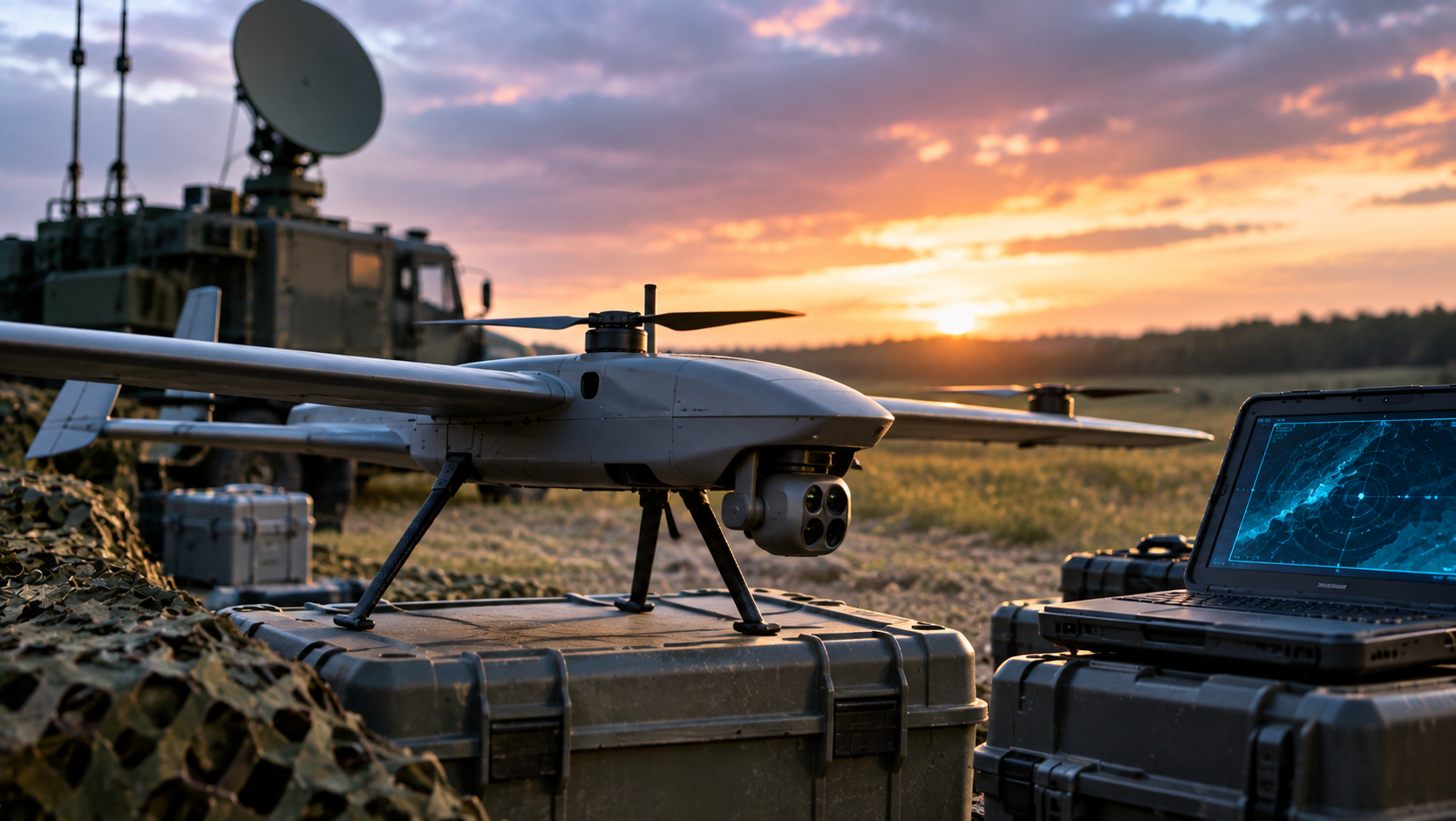
QBase supports mission preparation and drone management, including operations involving the Vector reconnaissance aircraft, known as Falke within the German military. Although the malicious update reportedly reached customer systems, there is no confirmed evidence that attackers directly compromised the aircraft themselves.
The Bundeswehr responded by suspending flights involving Quantum Systems equipment as a precaution. The grounding also disrupted a scheduled military exercise, demonstrating the operational consequences of an attack on a defense supplier’s software infrastructure.
Quantum Systems confirmed the security incident on November 12, stating that its technical teams had contained the intrusion in cooperation with government authorities. The company did not disclose the attackers’ identities or provide detailed information about the initial compromise.
The investigation reportedly involves Germany’s military counterintelligence service, domestic intelligence agency, and federal cybersecurity authorities.
The manufacturer suggested that its support for Ukraine may have contributed to the targeting. Quantum Systems supplies reconnaissance drones to Ukrainian forces and has expanded its involvement in developing interceptor systems intended to counter Russian aerial threats.
In October, Germany announced funding for the production of tens of thousands of interceptor drones through the company’s operations in Ukraine. However, no evidence publicly establishes a connection between the cyberattack and a particular government or state-sponsored hacking group.
By November 13, Quantum Systems confirmed that its drones had resumed normal operations, including those operated by the Bundeswehr. The company said Germany’s military was the only customer to suspend flights and maintained that its unmanned systems were safe for operators and end users.
The number of systems that received the malicious update remains unclear, as does whether any customers installed it. German military officials have not independently confirmed the full circumstances of the incident, while the investigation into the compromised update infrastructure continues.