

Norway is preparing to temporarily ban AI-powered smart glasses in a wide range of public places as concerns grow that the devices make it too easy to secretly record people.
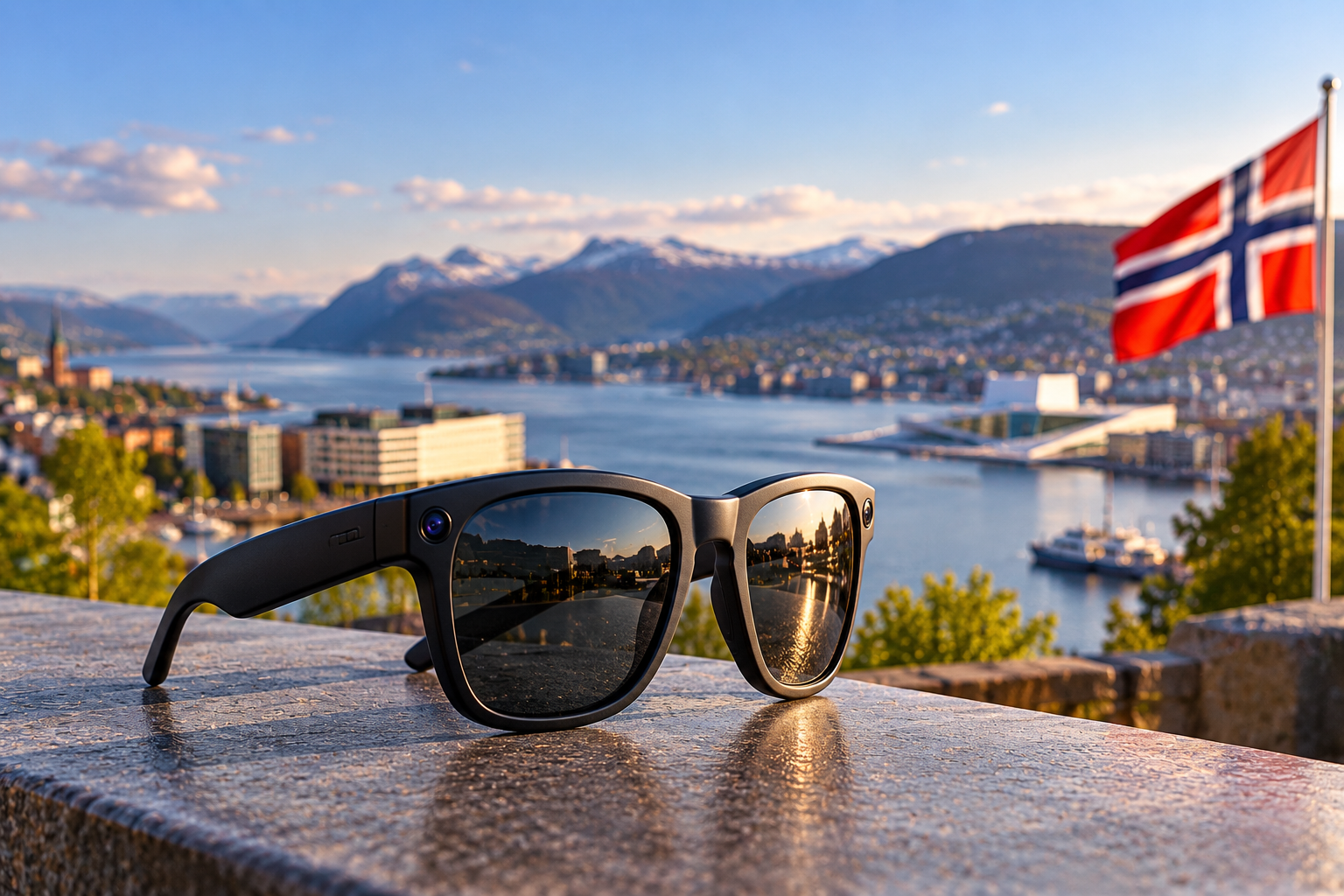
The Norwegian government plans to submit legislation to parliament that would restrict the use of camera-equipped AI glasses in locations where privacy is considered particularly important. The measure is intended to be temporary while authorities determine what permanent rules are needed.
The proposed restrictions could cover schools, kindergartens, playgrounds and youth clubs, with protecting children among the government’s main concerns. Healthcare facilities and gyms containing changing rooms or showers could also be included.
However, Norway is considering restrictions well beyond traditionally private environments. Parks, beaches, museums, shopping centers, concerts, sporting events and other places regularly used by the public could potentially fall under the temporary ban.
Digitalisation Minister Torgeir Micaelsen said the government is concerned that people can be photographed, filmed or audio-recorded without realizing it. Unlike someone openly holding a smartphone camera, a person wearing smart glasses may appear to simply be looking in another person’s direction.
The proposal does not amount to a complete ban on owning or using smart glasses. Private use would still be possible, and the government wants to consider exceptions where the technology provides clear social benefits, including uses that could assist people with disabilities.
Camera-equipped glasses from companies such as Meta have become increasingly capable of taking photographs, recording video, making calls, and interacting with AI assistants. Meta says its camera-equipped glasses use a visible light to indicate recording and that the camera is disabled if the indicator is covered or tampered with.
Norway had already been considering tighter rules before announcing the temporary ban proposal. Earlier discussions included the possibility of restricting facial recognition of other people in public spaces, while schools and businesses were encouraged to establish their own rules for smart glasses.
An expert group will now examine the wider privacy and social effects of wearable AI devices and recommend permanent national regulations.
The temporary restrictions still need parliamentary approval, meaning smart glasses have not suddenly become illegal across Norway. The government’s proposal instead marks an attempt to limit their use in sensitive and heavily populated locations while lawmakers decide how the technology should be regulated in the longer term.