

Poland has approved new legislation aimed at tackling so-called “trash streams,” a form of livestreaming in which creators broadcast dangerous, abusive, or degrading behavior to attract viewers and generate revenue. The law gives authorities stronger tools to prosecute individuals who profit from content involving violence, humiliation, criminal acts, or behavior that threatens public safety. The measures were introduced in response to growing concerns that increasingly extreme livestreams were encouraging harmful conduct, particularly among younger audiences.
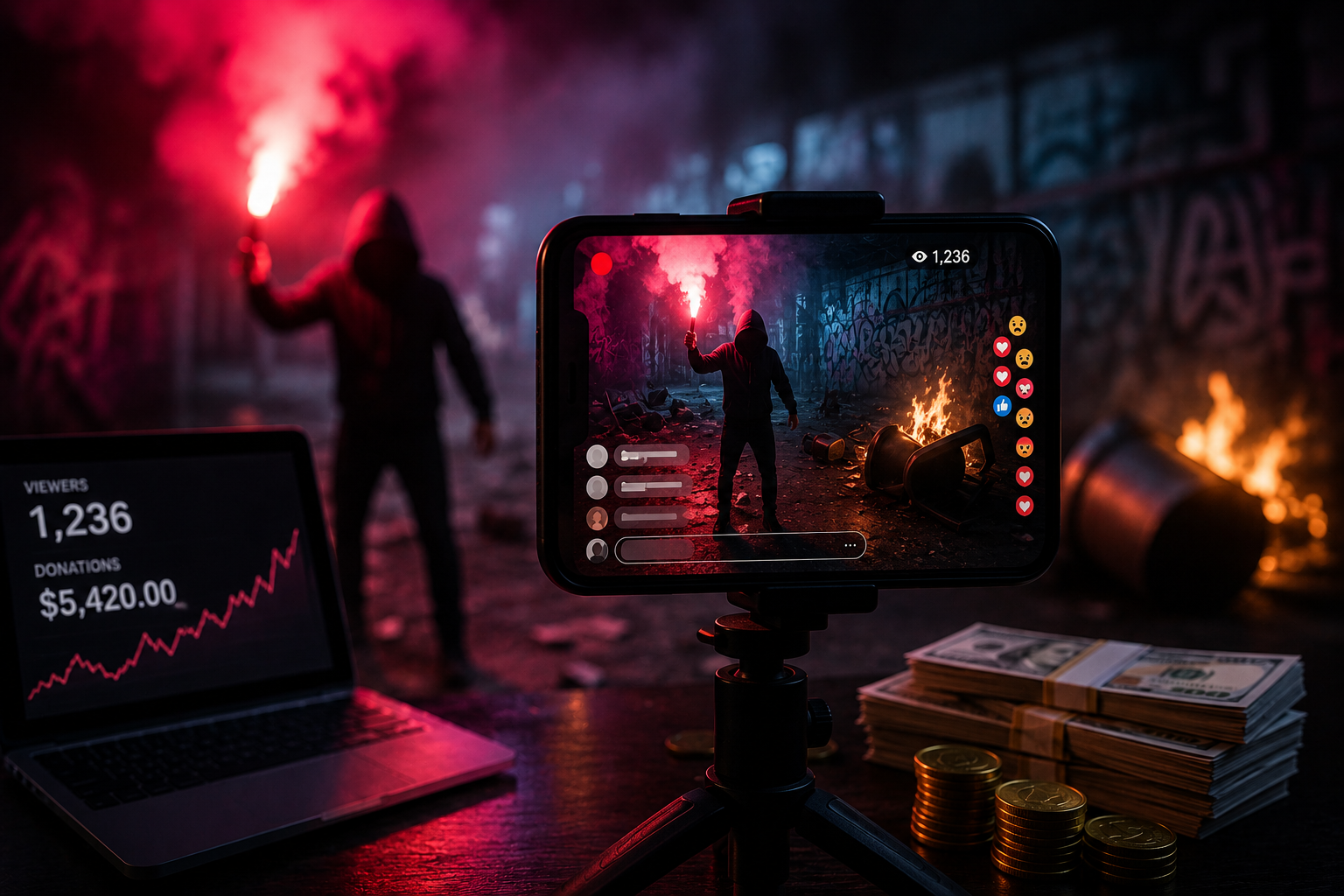
The phenomenon, commonly referred to in Poland as “patostreaming,” has gained significant attention over the past several years. These broadcasts frequently feature intoxication, physical assaults, harassment, vandalism, reckless stunts, and other shocking acts designed to maximize views, viewer donations, and advertising income. Some creators have repeatedly escalated the severity of their content as competition for online attention intensified.
Under the new legal framework, prosecutors will be able to seek harsher penalties when criminal offenses are committed for the purpose of broadcasting them online or generating financial gain through livestreaming. Courts may also order the forfeiture of profits and equipment used to produce illegal broadcasts. Officials believe these measures will reduce the financial incentives that have helped fuel the growth of extreme livestreaming content.
The legislation follows several high-profile incidents involving Polish streamers whose broadcasts featured assaults, property damage, dangerous pranks, and other unlawful behavior. While many of those actions were already criminal offenses, lawmakers argued that existing regulations did not adequately address situations where crimes were intentionally committed to entertain online audiences or generate donations from viewers. The new rules recognize livestreaming as an aggravating factor when determining penalties for certain offenses.
Authorities have emphasized that the law is not intended to regulate ordinary livestreaming or limit legitimate online expression. Instead, it targets broadcasts that involve criminal activity or intentionally harmful conduct. Individuals who livestream legal content, commentary, gaming, education, or entertainment without engaging in unlawful acts are not affected by the legislation.
Child protection has been one of the primary motivations behind the reform. Polish officials have repeatedly warned that violent and degrading livestreams are widely accessible to minors and may normalize abusive behavior or encourage imitation. Researchers and psychologists have also expressed concerns that repeated exposure to this type of content can desensitize younger viewers to violence and humiliation, while rewarding creators who produce increasingly extreme material to attract larger audiences.