

PC App Store adware is an unwanted program that presents itself as a software marketplace or update utility. It claims to help users find applications, install recommended programs, or keep software up to date. In practice, it functions as an ad-supported application that introduces intrusive behaviour into the system rather than providing reliable software management.
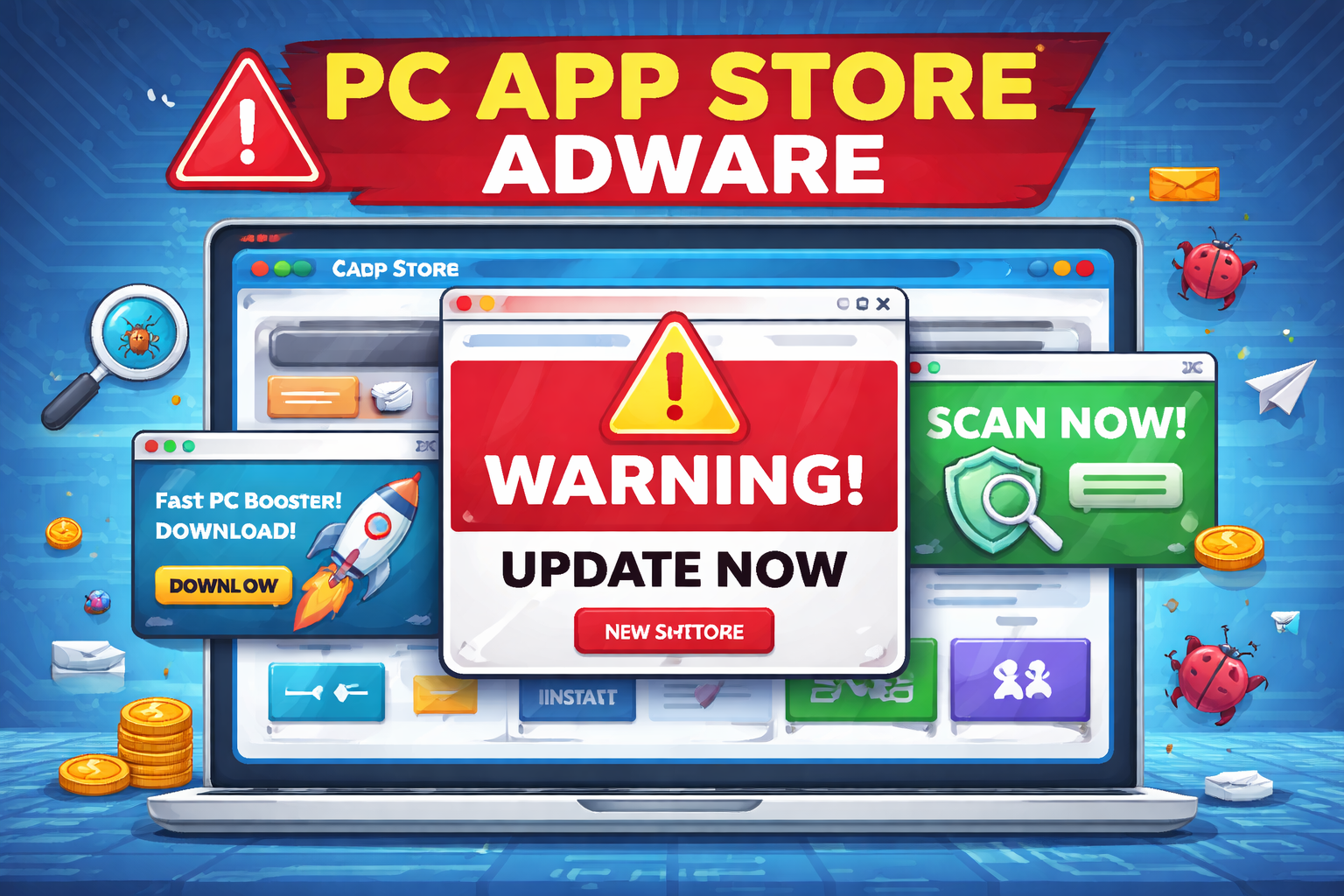
Once installed, PC App Store runs in the background and may launch automatically when the system starts. It displays pop-up windows, banners, and notifications that promote third-party software. These promotions are not selected based on user needs or system requirements. They are driven by advertising arrangements and are designed to generate clicks and installations.
The ads shown by PC App Store often appear system-related. They may be framed as software recommendations, critical updates, or performance improvements. This presentation can make the content appear trustworthy, even though the promoted programs are unrelated to system health. Clicking these ads can lead users to download additional unwanted software.
PC App Store adware may also create shortcuts, modify startup behaviour, or add scheduled tasks to maintain persistence. These changes allow it to continue running even after the user closes its visible interface. In some cases, it may reinstall itself if partially removed.
Another concern is data collection. The PC App Store may track user activity, including installed programs, interactions with ads, system information, and browsing-related data. This information is used to tailor advertising content and measure engagement. The data collection is not clearly disclosed and does not serve a functional purpose for the user.
The presence of the PC App Store can affect system performance. Frequent pop-ups and background processes consume system resources. Users may notice slower startup times, reduced responsiveness, or constant interruptions that interfere with normal work.
PC App Store is not required for any operating system function. It does not provide essential updates or security protection. Its value lies solely in advertising delivery, not in improving system stability or usability.
How PC App Store adware is installed
PC App Store adware is commonly installed through software bundling. It is included as an additional component in free program installers downloaded from third-party websites. During installation, the adware is presented as a recommended or optional addition. Users who select default or express installation settings may install it without realising it.
The option to decline installation is often hidden within advanced or custom setup menus. These menus are not highlighted, and users may skip them to complete installation quickly. As a result, PC App Store is installed without explicit consent, even though the choice technically exists.
In some cases, the PC App Store may also be promoted through misleading ads. These ads claim that the program is necessary to update drivers, improve performance, or fix system issues. Users who trust these claims may install the adware, believing it provides a legitimate service.
Once installed, PC App Store uses persistence mechanisms to remain active. It may add itself to startup entries so it launches automatically. It may also create background services or scheduled tasks. These elements ensure that the adware continues running even if the main program window is closed.
PC App Store may resist removal by reinstalling components or leaving residual files behind. This can give users the impression that removal attempts were unsuccessful or incomplete. The adware relies on this persistence to continue delivering ads over time.
Users may also experience additional unwanted programs after the PC App Store is installed. The ads promoted by the application often lead to installers that include more bundled software. This creates a chain effect where one installation leads to multiple unwanted additions.
PC App Store adware does not spread through direct exploitation or self-propagation. Its distribution depends on user interaction with bundled installers and misleading prompts. This makes it less obvious than traditional malware but still disruptive and unwanted.
Avoiding PC App Store adware requires careful attention during software installation. Choosing advanced or custom setup options allows users to see bundled offers and decline them. Avoiding download sites that rely on aggressive monetisation reduces exposure.
Remove PC App Store adware
The easiest way to remove PC App Store adware is to use an anti-virus program. Adware infections can be quite tricky and difficult to get rid of manually.
Offers
Download Removal Toolto scan for PC App StoreUse our recommended removal tool to scan for PC App Store. Trial version of provides detection of computer threats like PC App Store and assists in its removal for FREE. You can delete detected registry entries, files and processes yourself or purchase a full version.
More information about SpyWarrior and Uninstall Instructions. Please review SpyWarrior EULA and Privacy Policy. SpyWarrior scanner is free. If it detects a malware, purchase its full version to remove it.

WiperSoft Review Details WiperSoft (www.wipersoft.com) is a security tool that provides real-time security from potential threats. Nowadays, many users tend to download free software from the Intern ...
Download|moreIs MacKeeper a virus? MacKeeper is not a virus, nor is it a scam. While there are various opinions about the program on the Internet, a lot of the people who so notoriously hate the program have neve ...
Download|moreWhile the creators of MalwareBytes anti-malware have not been in this business for long time, they make up for it with their enthusiastic approach. Statistic from such websites like CNET shows that th ...
Download|more



Quick Menu
Step 1. Uninstall PC App Store and related programs.
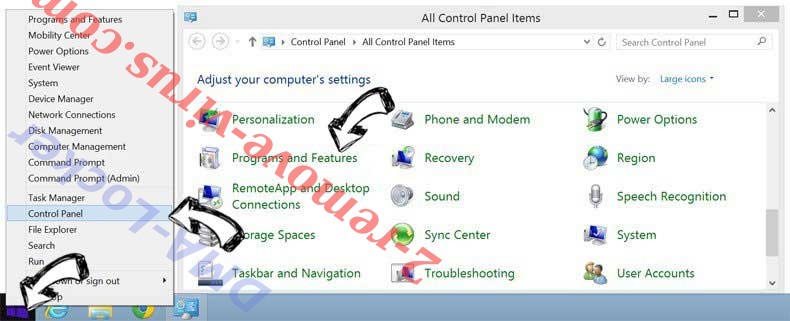
Remove PC App Store from Windows 8
Right-click in the lower left corner of the screen. Once Quick Access Menu shows up, select Control Panel choose Programs and Features and select to Uninstall a software.
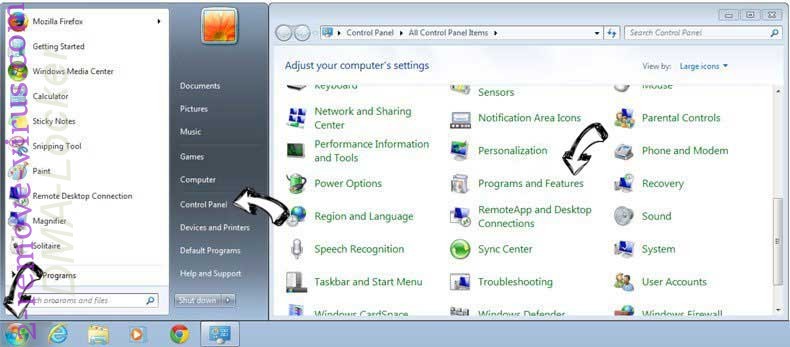
Uninstall PC App Store from Windows 7
Click Start → Control Panel → Programs and Features → Uninstall a program.
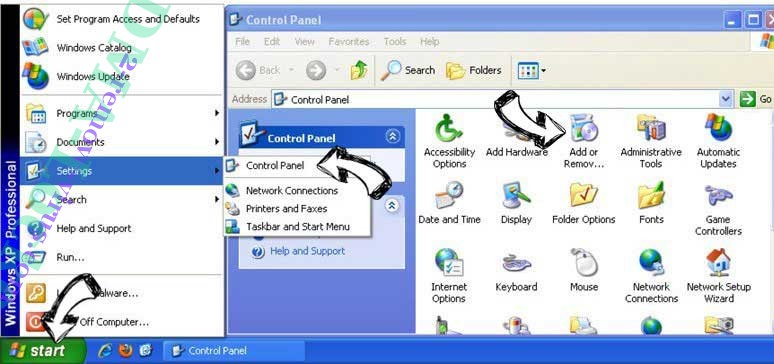
Delete PC App Store from Windows XP
Click Start → Settings → Control Panel. Locate and click → Add or Remove Programs.
Remove PC App Store from Mac OS X
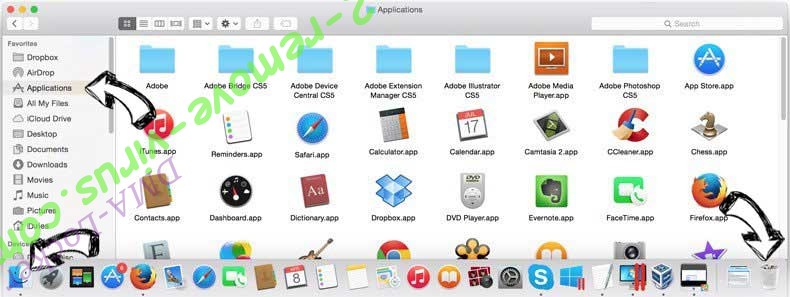
Click Go button at the top left of the screen and select Applications. Select applications folder and look for PC App Store or any other suspicious software. Now right click on every of such entries and select Move to Trash, then right click the Trash icon and select Empty Trash.
Step 2. Delete PC App Store from your browsers
Terminate the unwanted extensions from Internet Explorer
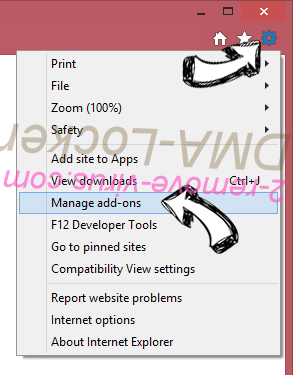
- Tap the Gear icon and go to Manage Add-ons.
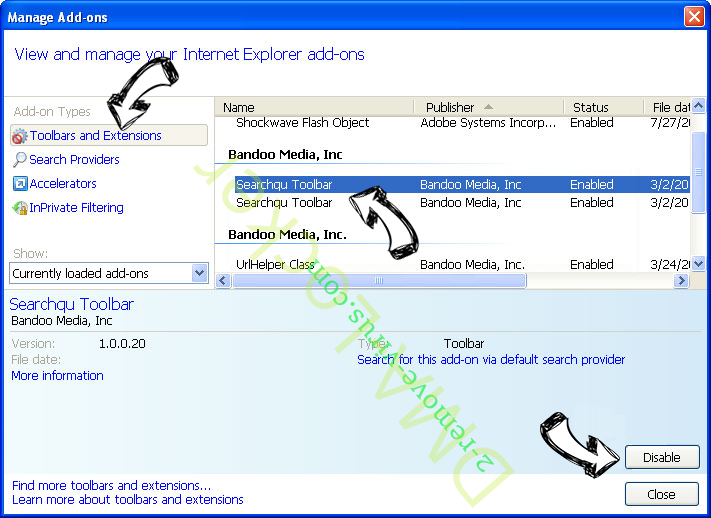
- Pick Toolbars and Extensions and eliminate all suspicious entries (other than Microsoft, Yahoo, Google, Oracle or Adobe)
- Leave the window.
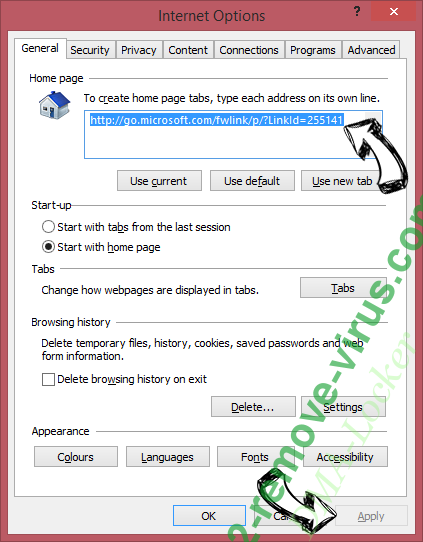
Change Internet Explorer homepage if it was changed by virus:
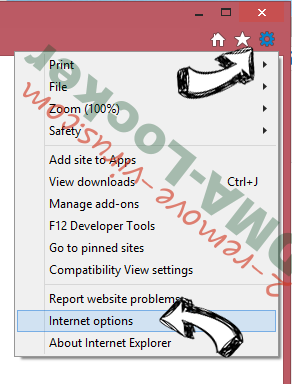
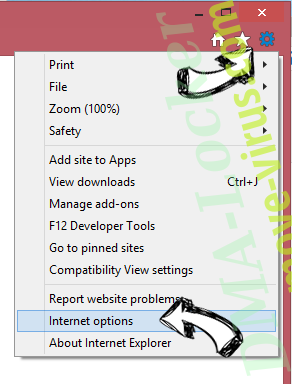
- Tap the gear icon (menu) on the top right corner of your browser and click Internet Options.
- In General Tab remove malicious URL and enter preferable domain name. Press Apply to save changes.
Reset your browser
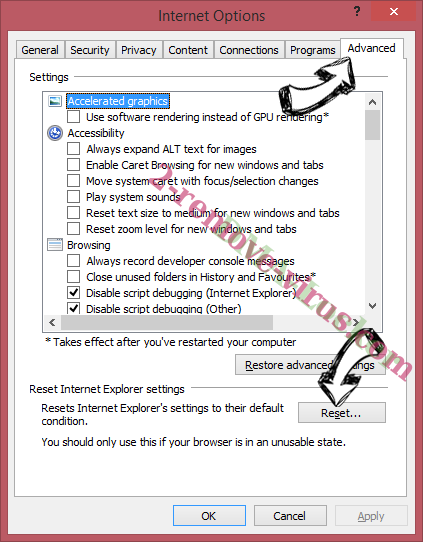
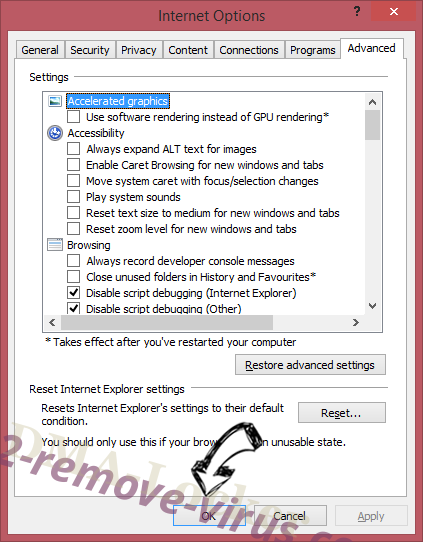
- Click the Gear icon and move to Internet Options.
- Open the Advanced tab and press Reset.
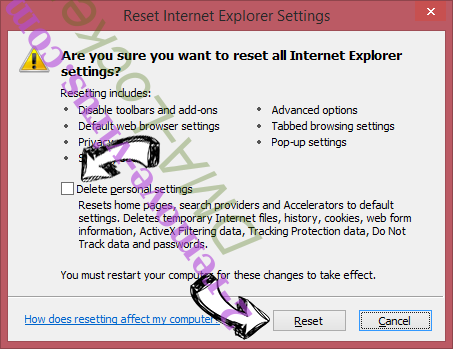
- Choose Delete personal settings and pick Reset one more time.
- Tap Close and leave your browser.
- If you were unable to reset your browsers, employ a reputable anti-malware and scan your entire computer with it.
Erase PC App Store from Google Chrome
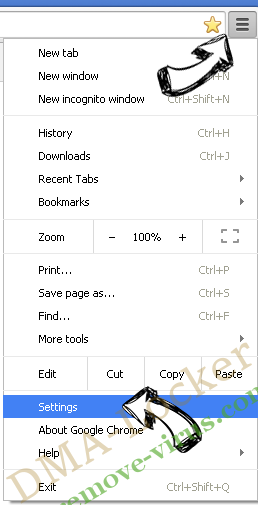
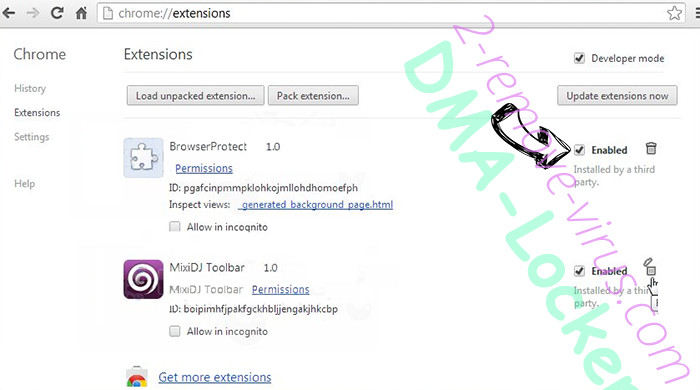
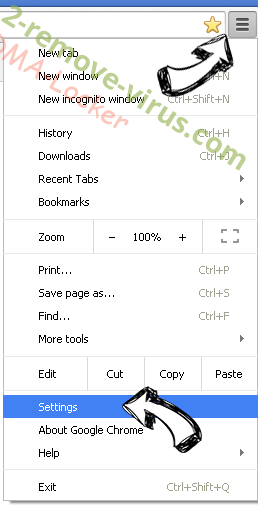
- Access menu (top right corner of the window) and pick Settings.
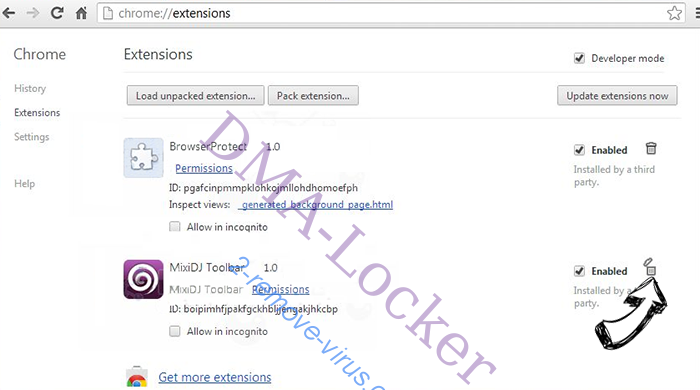
- Choose Extensions.
- Eliminate the suspicious extensions from the list by clicking the Trash bin next to them.
- If you are unsure which extensions to remove, you can disable them temporarily.
Reset Google Chrome homepage and default search engine if it was hijacker by virus
- Press on menu icon and click Settings.
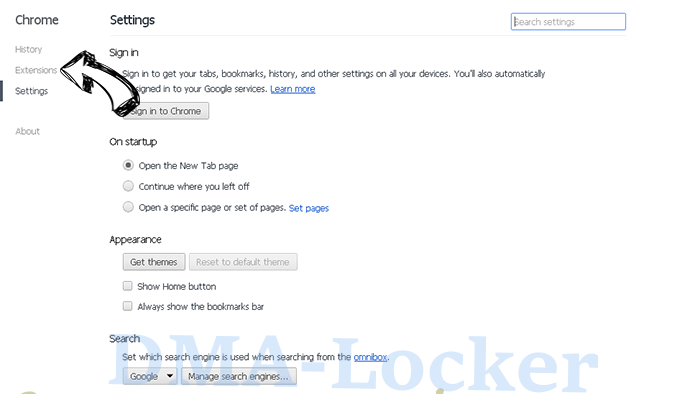
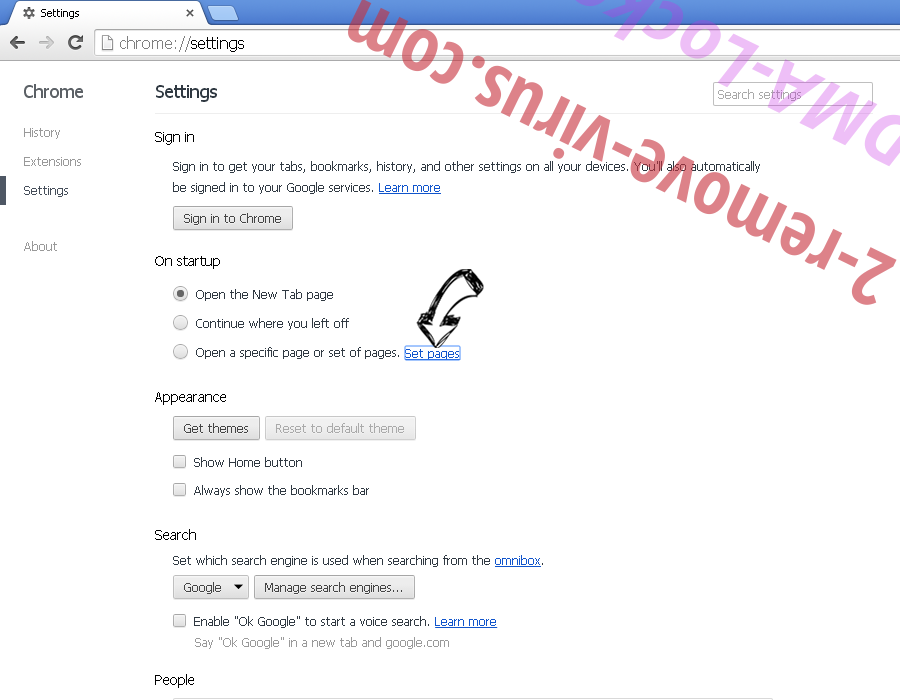
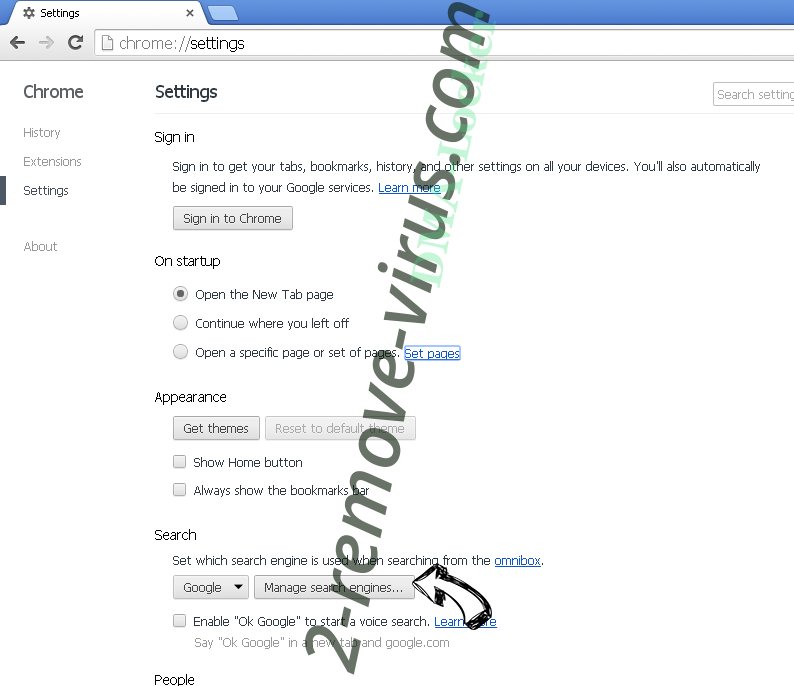
- Look for the “Open a specific page” or “Set Pages” under “On start up” option and click on Set pages.
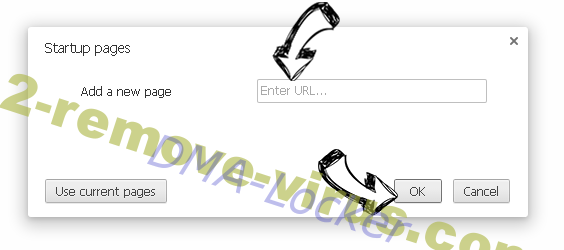
- In another window remove malicious search sites and enter the one that you want to use as your homepage.
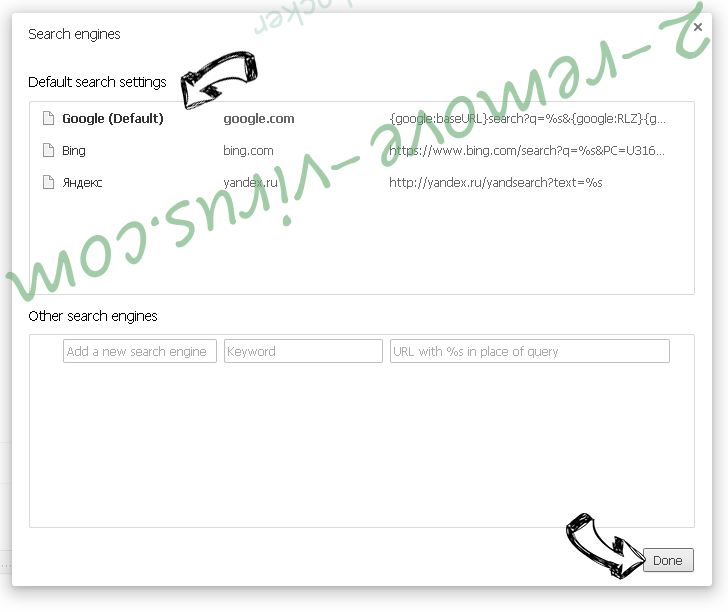
- Under the Search section choose Manage Search engines. When in Search Engines..., remove malicious search websites. You should leave only Google or your preferred search name.
Reset your browser
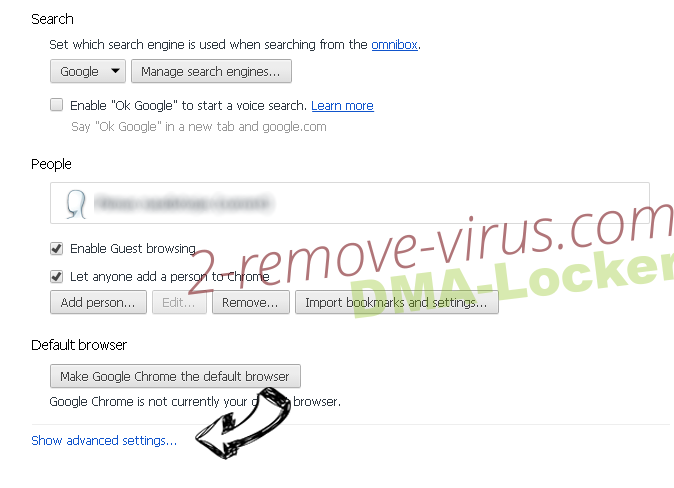
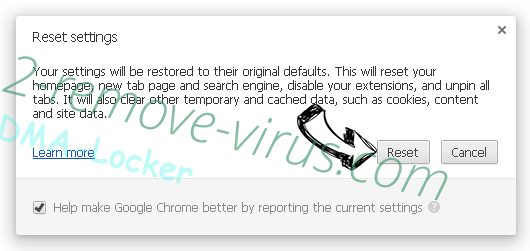
- If the browser still does not work the way you prefer, you can reset its settings.
- Open menu and navigate to Settings.
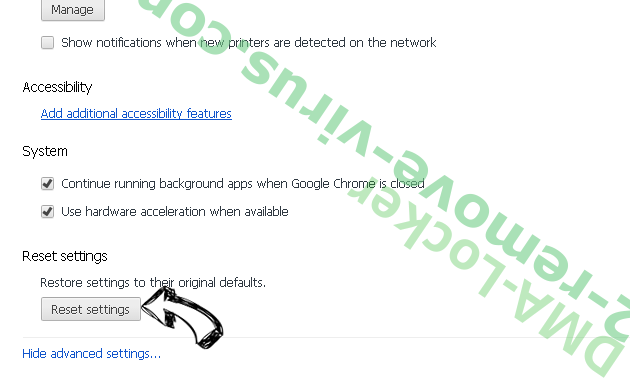
- Press Reset button at the end of the page.
- Tap Reset button one more time in the confirmation box.
- If you cannot reset the settings, purchase a legitimate anti-malware and scan your PC.
Remove PC App Store from Mozilla Firefox
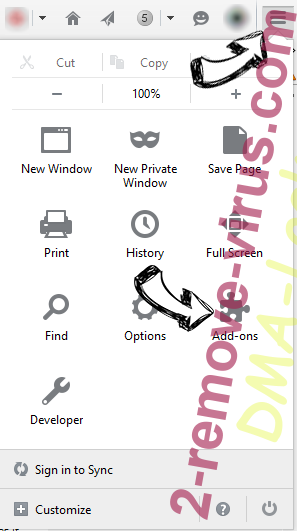
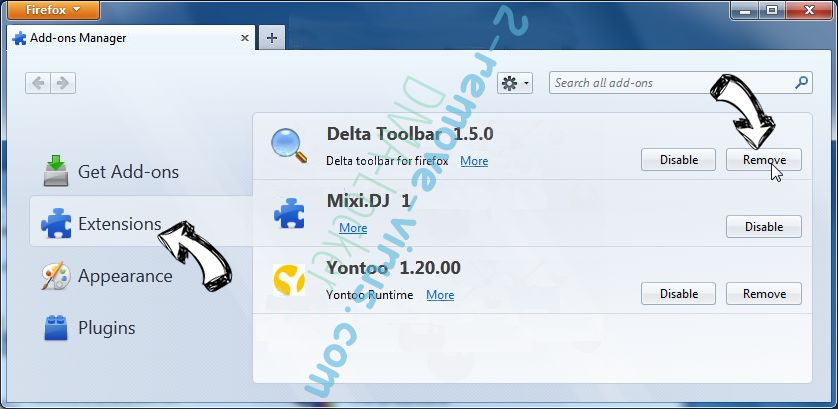
- In the top right corner of the screen, press menu and choose Add-ons (or tap Ctrl+Shift+A simultaneously).
- Move to Extensions and Add-ons list and uninstall all suspicious and unknown entries.
Change Mozilla Firefox homepage if it was changed by virus:
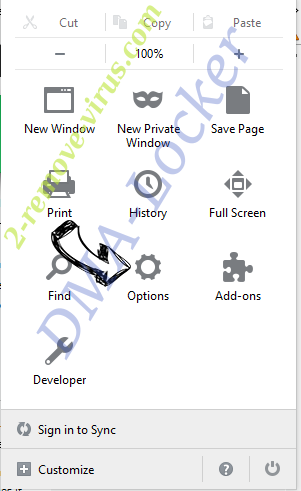
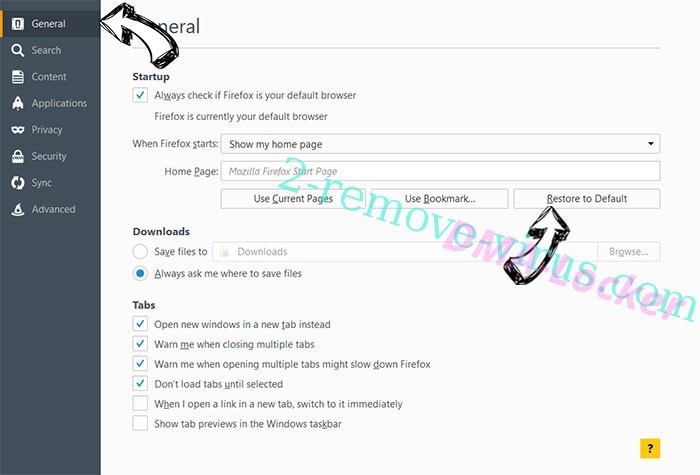
- Tap on the menu (top right corner), choose Options.
- On General tab delete malicious URL and enter preferable website or click Restore to default.
- Press OK to save these changes.
Reset your browser
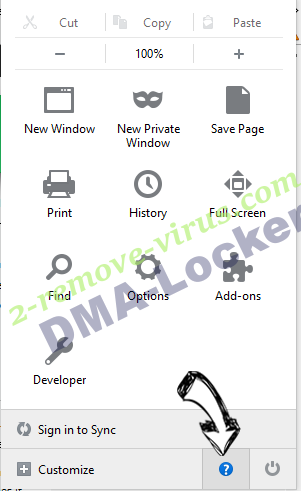
- Open the menu and tap Help button.
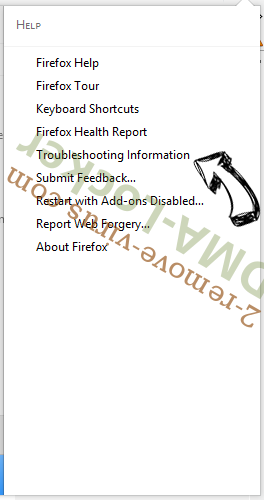
- Select Troubleshooting Information.
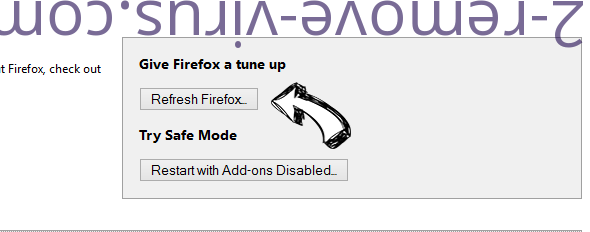
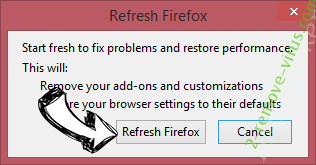
- Press Refresh Firefox.
- In the confirmation box, click Refresh Firefox once more.
- If you are unable to reset Mozilla Firefox, scan your entire computer with a trustworthy anti-malware.
Uninstall PC App Store from Safari (Mac OS X)
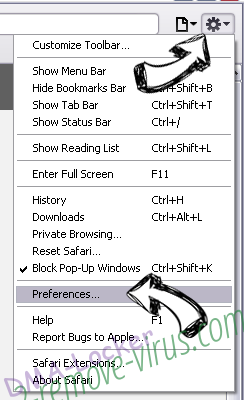
- Access the menu.
- Pick Preferences.
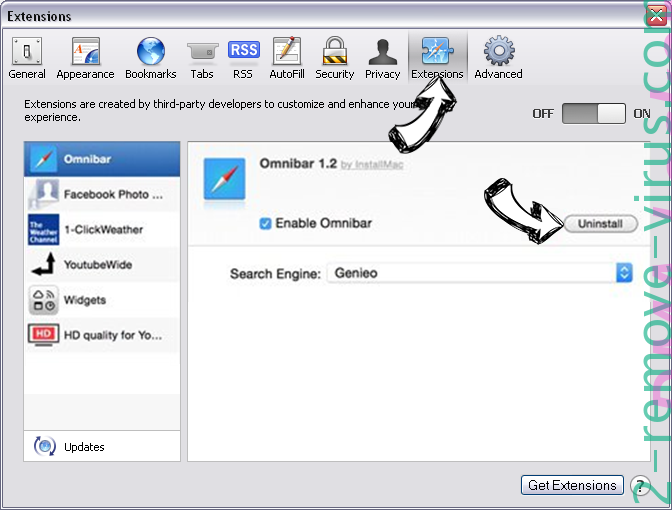
- Go to the Extensions Tab.
- Tap the Uninstall button next to the undesirable PC App Store and get rid of all the other unknown entries as well. If you are unsure whether the extension is reliable or not, simply uncheck the Enable box in order to disable it temporarily.
- Restart Safari.
Reset your browser
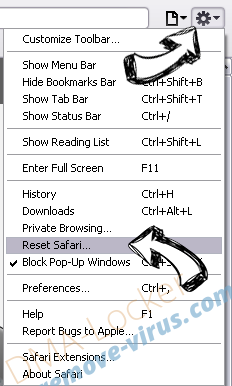
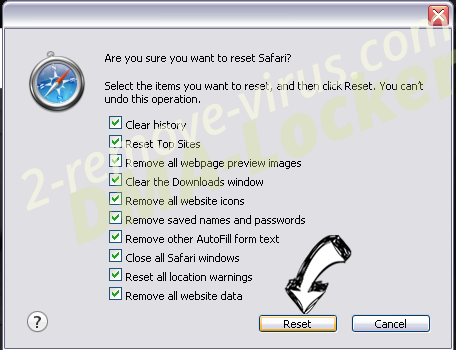
- Tap the menu icon and choose Reset Safari.
- Pick the options which you want to reset (often all of them are preselected) and press Reset.
- If you cannot reset the browser, scan your whole PC with an authentic malware removal software.
Incoming search terms:
Site Disclaimer
2-remove-virus.com is not sponsored, owned, affiliated, or linked to malware developers or distributors that are referenced in this article. The article does not promote or endorse any type of malware. We aim at providing useful information that will help computer users to detect and eliminate the unwanted malicious programs from their computers. This can be done manually by following the instructions presented in the article or automatically by implementing the suggested anti-malware tools.
The article is only meant to be used for educational purposes. If you follow the instructions given in the article, you agree to be contracted by the disclaimer. We do not guarantee that the artcile will present you with a solution that removes the malign threats completely. Malware changes constantly, which is why, in some cases, it may be difficult to clean the computer fully by using only the manual removal instructions.