

Telegram founder Pavel Durov has sharply criticized India’s decision to temporarily block the messaging platform, arguing that the move punishes millions of ordinary users while doing little to stop those responsible for exam-related fraud.
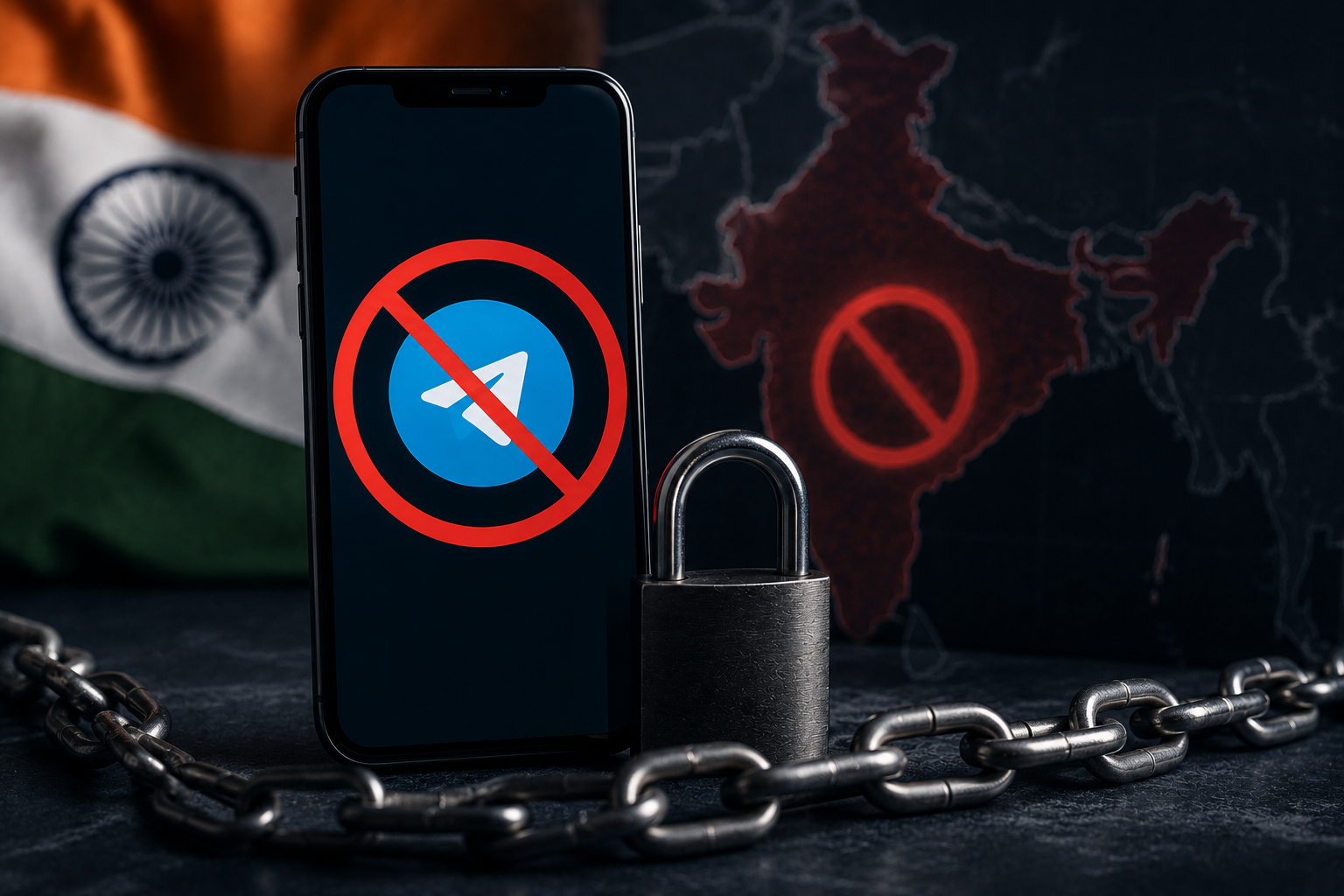
The dispute stems from India’s decision to suspend Telegram until June 22 following allegations that the platform was being used by fraudsters ahead of the NEET-UG medical entrance re-examination, one of the country’s largest academic tests. Authorities said criminal groups were using Telegram channels to spread fake exam papers, sell purported leaked questions, and mislead students.
Durov responded publicly, saying the ban affects more than 150 million Telegram users in India while failing to address the root problem. According to the Telegram founder, individuals involved in sharing leaked exam materials simply migrated to other platforms after the restriction was imposed. He argued that blocking the entire service unfairly impacts students, families, businesses, and other legitimate users who rely on the app for daily communication.
The Indian government defended the decision as a temporary measure designed to protect the integrity of the upcoming re-examination. Officials said the restriction was necessary after investigators identified Telegram channels that were allegedly being used by organized cheating networks targeting candidates. The ban was enacted under India’s Information Technology Act and is scheduled to remain in place until after the exam concludes.
Telegram says it has already taken action against abuse on the platform. Durov stated that the company removed hundreds of channels linked to leaked exam materials and related scams in recent weeks. He also pointed to additional platform changes intended to make message edits more transparent, reducing the risk of users manipulating old posts to falsely claim access to examination papers before they were released.
The controversy has sparked a broader debate over whether governments should block entire communication platforms to combat specific forms of online abuse. Digital rights advocates criticized the measure as disproportionate, arguing that targeting illegal content and criminal actors would be more effective than restricting access for millions of users.
Telegram has since challenged the government’s order in court, seeking to overturn the temporary ban. The case is expected to become a closely watched test of how far authorities can go in restricting major online platforms when responding to misinformation, fraud, and exam-related misconduct.